More Mental Health Articles
Effective GABA Dosage Strategies for Managing Severe Anxiety
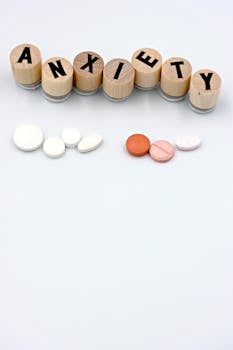
Gamma-Aminobutyric Acid, commonly known as GABA, is a neurotransmitter that plays a critical role in regulating brain activity. It helps to reduce neuronal excitability and is often associated with a calming effect on the nervous system. For individuals battling with severe anxiety, understanding the appropriate GABA dosage for severe anxiety could potentially aid in managing symptoms effectively.
Understanding GABA Dosage for Severe Anxiety
GABA supplements are a popular choice among those seeking to alleviate anxiety symptoms. However, determining the right dosage is essential to ensure safety and effectiveness. Since everyone’s body chemistry is unique, what works for one person may not work for another. It’s crucial to consult with a healthcare provider to find an optimal dosage tailored to your specific needs.
GABA is available in various forms, including pills, capsules, and powders. When considering GABA supplementation, starting with a low dose is often recommended, gradually increasing it while monitoring your body’s response. Typically, a dosage of 500 mg to 750 mg daily is considered safe; however, for those dealing with severe anxiety, dosages may vary significantly. Clinical studies are ongoing to better understand how different doses impact anxiety levels.
The Role of GABA in the Nervous System
The primary function of GABA is to inhibit neurotransmission, which helps to reduce feelings of anxiety and stress. It binds to GABA receptors in the brain, emitting a signal to calm the nervous system. This action is what makes GABA supplements popular among people with anxiety disorders. Nonetheless, the effectiveness of oral GABA supplements is debated, as GABA is thought to have limited ability to cross the blood-brain barrier.
Despite this, many individuals report experiencing relief from their symptoms when using GABA supplements, which may suggest a placebo effect or alternative modes of action not yet fully understood. Other natural alternatives, such as mindfulness and lifestyle changes, can also play a significant role in managing anxiety symptoms. For more on supplements that support cognitive health, check out our article on what vitamins are good for brain fog and memory.
Potential Benefits and Risks
While GABA may help reduce symptoms of severe anxiety, it is important to consider potential side effects or interactions with other medications. Some people may experience drowsiness, headache, or upset stomach. Because supplements are not strictly regulated, the quality and concentration of GABA can vary between products. Always opt for supplements from reputable sources.
Interactions with other medications, especially those affecting the brain, such as anti-depressants or sedatives, should be considered. Discussing potential GABA supplementation with a healthcare provider can help prevent adverse effects and ensure it complements other treatments you may be undergoing.
Monitoring and Adjusting Dosage
If you decide to include GABA supplements in your anxiety management plan, it’s crucial to track your symptoms and any side effects. Regular check-ins with a healthcare provider can make it easier to adjust your dosage. Discontinuing GABA abruptly is not recommended, as it may cause withdrawal symptoms in some individuals.
Engaging in other complementary therapies such as cognitive behavioral therapy, exercise, and mindfulness could enhance the effectiveness of GABA for anxiety management. Building a holistic approach that incorporates multiple strategies is often more beneficial than relying on supplements alone.
Additional Resources
For further information on how GABA and other supplements can help manage anxiety, it’s essential to consult trustworthy resources. The U.S. National Library of Medicine provides extensive databases and articles on substances like GABA. It’s a great way to delve into research if you’re interested in the scientific basis behind GABA’s effects. For additional details, check the Health section on Wikipedia.
Final Thoughts on GABA Dosage for Severe Anxiety
While exploring GABA dosage for severe anxiety, remember that individual response can vary. The journey toward anxiety management is a personal one, requiring adjustments and patience. By staying informed and consulting healthcare professionals, you can find a strategy that best suits your needs.
- GABA supplements may help reduce severe anxiety symptoms.
- Consulting healthcare providers ensures appropriate dosage and safety.
- Be aware of potential side effects and interactions with medications.
- Consider incorporating complementary therapies for holistic management.
- Stay informed through reputable sources and ongoing research.
What is the recommended starting dosage for GABA supplements?
A typical starting dosage for GABA supplements might be around 500 mg per day but can vary depending on individual factors. It’s best to start low and consult with a healthcare provider.
Can GABA supplements cause side effects?
Yes, some individuals may experience side effects such as drowsiness, headaches, or digestive upset. It’s important to monitor how you feel and discuss any adverse effects with a healthcare professional.
Are there any drug interactions with GABA supplements?
GABA supplements might interact with medications, especially those impacting the nervous system such as sedatives or anti-depressants. Always talk to your healthcare provider about any potential interactions.
How long does it take for GABA supplements to work?
The onset time for GABA supplements can vary. Some people may notice effects relatively quickly, while for others, it might take longer. Consistency and monitoring are key.
Can lifestyle changes help alongside GABA supplementation?
Yes, incorporating lifestyle changes such as regular exercise, a balanced diet, and stress management techniques can complement the effects of GABA supplements for anxiety management.
Other Articles You May Find of Interest...
- Why Your Mental Wellness Routine Should Integrate Exercise
- How to Protect Your Mental Health After Losing a Pet
- The Hidden Link Between Blood Sugar and Anxiety: What Continuous Glucose Monitors Reveal
- Why a Gradual, Clinician-Guided Approach to Methylfolate May Matter
- Breaking the Stigma Around Mental Health and Seeking Professional Support
- Complex PTSD vs. PTSD: The Differences That Can Change Your Treatment
- When Talk Therapy Isn’t Enough: Understanding More Intensive Treatment for OCD