More Senior Health Articles
What You Need to Know About Pleva and Its Impact on Skin Health
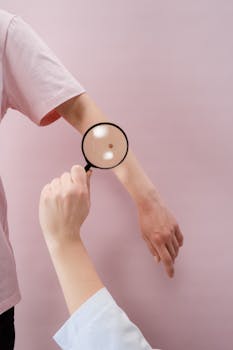
Pityriasis lichenoides et varioliformis acuta (PLEVA) is a rare skin condition that often prompts questions due to its distinctive appearance and potential impact on skin health. Recognizing pleva early on can help manage its symptoms and contribute to better skin care practices.
Understanding Pleva
Pleva primarily affects the skin, causing a rash characterized by reddish-brown spots that may develop into blisters or pustules. The exact cause of pleva is not well understood, but it is thought to involve an abnormal immune response to an infection or other trigger. While it can occur at any age, pleva is most commonly seen in children and young adults.
Managing the symptoms of pleva involves addressing the skin lesions and reducing discomfort. Medical professionals may recommend topical treatments or other interventions tailored to the patient’s specific needs. It is essential to seek advice from a healthcare provider for personalized treatment strategies.
Symptoms of Pleva
Individuals with pleva develop skin lesions that can vary in appearance. These lesions typically begin as reddish-brown spots and may progress to blisters filled with fluid or pus. The lesions often heal with time, leaving temporary marks or scars on the skin. Additional symptoms may include itching or burning sensations, which can be distressing for affected individuals.
Treatment Options
Treatment for pleva focuses on symptom management and minimizing skin irritation. In mild cases, moisturizing creams and topical corticosteroids can alleviate discomfort and support healing. For more severe cases, systemic treatments such as antibiotics or phototherapy might be recommended.
Engaging in a holistic approach to skin health, including maintaining a balanced diet and regular skincare routine, can aid in managing pleva and other skin conditions. For more information on maintaining a healthy lifestyle, you can explore our article on the benefits of working out at home.
Impact of Pleva on Daily Life
While pleva is not life-threatening, it can have a significant impact on an individual’s quality of life. The visibility of the lesions may affect self-esteem or lead to social discomfort. Addressing these emotional aspects is a crucial component of managing the condition holistically.
Support from dermatologists and mental health professionals can provide a comprehensive care approach for individuals dealing with pleva. Encouraging open communication with healthcare providers can help navigate this often challenging condition.
Research and Developments
Continued research into pleva is vital to understanding its etiology and improving treatment strategies. Scientists are exploring potential links to viral infections and the immune system’s role in triggering the condition. Further study is required to uncover more about pleva and how best to manage it.
For more detailed information on pleva, you may consider visiting the Wikipedia page on health, which provides a broader context on topics related to skin health and conditions.
Conclusion
In summary, pleva is a condition that affects the skin, leading to a distinctive rash and potential discomfort. Understanding and addressing pleva can aid in managing symptoms and improving the overall quality of life for those affected. Collaborating with healthcare providers is essential for developing an effective and personalized care plan.
- Pleva is a rare skin condition often seen in children and young adults.
- Symptoms include reddish-brown spots and possible blistering.
- Treatment focuses on symptom relief and may include topical or systemic therapies.
- Emotional support and holistic care are vital components of managing pleva.
What causes pleva?
The exact cause of pleva is not well understood. It is believed to result from an abnormal immune response, potentially triggered by an infection.
Who is commonly affected by pleva?
Pleva most commonly affects children and young adults, but it can occur at any age.
How is pleva diagnosed?
Diagnosis is typically based on a clinical examination and review of medical history. A skin biopsy may be performed to confirm the condition.
Can pleva be cured?
There is no cure for pleva, but symptoms can be managed effectively through medical treatments and skincare practices.
How can I manage pleva at home?
Managing pleva at home involves regular moisturizing, protecting the skin from irritants, and following any treatment plans prescribed by a healthcare provider.
Other Articles You May Find of Interest...
- Seen and Unheard; Elder Abuse
- Coping With Cancer In Older Adults
- The Number Families Should Ask About Before Touring a Nursing Home for a Parent
- Daily Personal Support: What Assisted Living Provides Residents
- How Nurse-Led Home Care Can Support Aging in Place in Scottsdale
- Understanding Home Care Options for Older Veterans in Australia
- How Digital Communication Helps Seniors Stay Connected With Family and Communities