More Hair Care Articles
Choosing The Right Hair Loss Treatment For Women
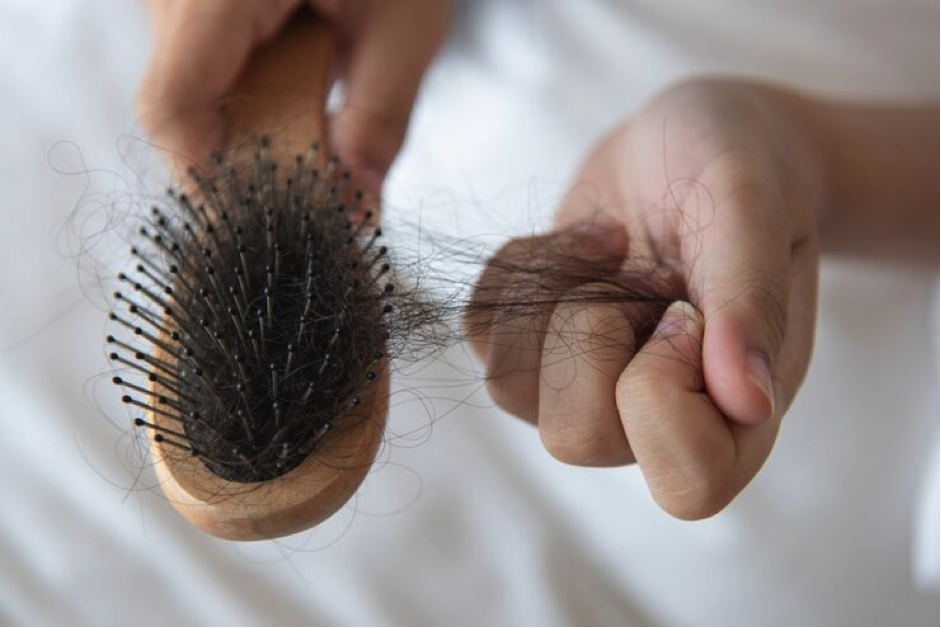
Hair loss is not just a “men’s issue.” Many women experience thinning hair, widening part lines, and reduced density over time due to genetics, hormones, ageing, stress, or medical conditions. Choosing the right treatment involves understanding your specific type of hair loss, exploring both medical and surgical options, and developing a personalised plan that supports long‑term scalp and hair health.
While procedures like hair transplant for men are well established, women’s hair loss often presents differently and requires tailored strategies. If you’re considering options such as hair loss treatment for women in Melbourne, this guide will help you assess your choices and make confident decisions.
1. Identify Your Hair Loss Pattern

The first step in selecting the right treatment is understanding the pattern and cause of your hair loss. Hair thinning in women commonly shows as:
- Progressive widening of the part line
- Diffuse thinning across the top of the scalp
- Hair that feels less dense
- Gradual reduction in volume
This is different from male pattern baldness, which typically presents with a receding hairline or crown balding. A specialist evaluation helps identify whether the cause is hereditary (female pattern hair loss), hormonal (e.g., menopause, thyroid disorders), stress‑related, nutritional, or linked to a medical condition.
2. Schedule a Comprehensive Scalp Assessment
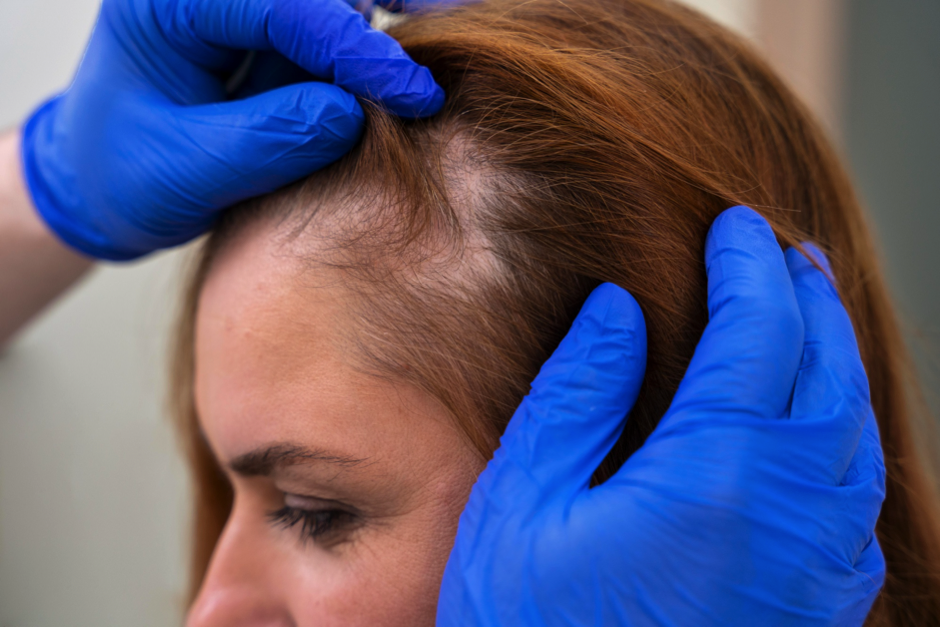
A qualified clinician will perform a detailed examination, which may include:
- Scalp and follicle health assessment
- Trichoscopy or scalp imaging
- Hair density and miniaturisation analysis
- Blood tests for nutritional or hormonal imbalances
A thorough evaluation forms the foundation for the right treatment plan tailored specifically to your hair loss pattern.
3. Explore Medical (Non‑Surgical) Options First
Medical treatments are often the first line of defence, especially in early or mild thinning. They aim to stabilise loss and promote regrowth.
Topical Minoxidil
Minoxidil (in foam or solution form) is widely recommended for female hair loss. It:
- Stimulates follicles
- Prolongs the growth phase of hair
- Improves scalp circulation
Consistent application is key, and results may take several months to appear.
Oral Medications
Certain oral therapies may be prescribed to address hormonal influences or reduce follicular miniaturisation. These require medical supervision due to individual health considerations.
Low‑Level Laser Therapy (LLLT)
This device‑based option uses gentle laser light to stimulate follicles and improve scalp circulation. It is non‑invasive and can be used at home or in clinic alongside other treatments.
4. Consider Supportive Therapies
Platelet‑Rich Plasma (PRP) Therapy
PRP uses your own blood’s growth factors to stimulate dormant follicles and support overall scalp health. It is often used in conjunction with other medical treatments for enhanced effects.
Microneedling
Performed in clinic, microneedling creates micro‑injuries in the scalp to boost collagen production and enhance absorption of topical treatments. When combined with other therapies, it can improve responsiveness.
5. When to Consider Surgical Options
A surgical option such as a hair transplant is typically considered when:
- Hair loss is stable
- Medical treatments have plateaued or have not provided sufficient improvement
- There is sufficient donor hair for transplantation
Hair transplant techniques (e.g., FUE) are commonly used for both men and women but require careful assessment of scalp laxity, donor density, and styling goals. While hair transplant for men often focuses on hairline restoration and crown filling, women’s transplants focus on restoring diffuse thinning and enhancing density across the top of the scalp.
A specialist in Melbourne experienced in female hair restoration can assess whether you are a suitable candidate for surgery.
6. Evaluate Your Goals And Lifestyle
Each woman’s idea of “improvement” may differ. Some may want fuller density for thicker styling options, while others prioritise slowing progression. Open discussion with your clinician helps ensure your goals are realistic and aligned with treatment choices.
Ask yourself:
- Do I want gradual improvement or long‑term restoration?
- Am I comfortable with daily treatment applications?
- How soon do I want to see results?
- Am I interested in surgical solutions if needed?
Clarifying these preferences helps refine the treatment pathway.
7. Plan For Long‑Term Maintenance
Hair loss treatments require commitment. Many medical therapies must be used consistently to maintain gains. Discontinuing treatment can lead to regression. Long‑term maintenance might include:
- Continued topical or oral therapies
- Periodic PRP or laser sessions
- Scalp care routines
- Follow‑up assessments
Your clinician will help map out a sustainable plan.
8. Prioritise Specialist Expertise
When selecting a provider for hair loss treatment for women in Melbourne, choose clinics with:
- Experience in women’s hair restoration
- Comprehensive scalp assessment protocols
- Evidence‑based treatment options
- Monitoring and follow‑up support
Providers experienced in male hair restoration (e.g., hair transplant for men) may not always apply the same strategies to women — tailored expertise is essential.
9. Understand Expected Timelines
Hair growth is gradual. Most treatments require patience:
- Medical treatments: 3–6 months for initial results
- PRP or laser therapy: improvements over several sessions
- Surgical results: visible regrowth after 4–6 months, with full results by 12–18 months
Setting realistic timelines prevents disappointment and supports consistent adherence.
10. Discuss Risks And Side Effects
Every treatment has potential side effects. Minoxidil may cause scalp irritation; oral medications may have systemic effects; surgical procedures have recovery phases and small regional wounds. Reviewing risks with your clinician ensures informed consent and preparedness.
Final Thoughts
Choosing the right hair loss treatment for women involves a personalised approach that considers diagnosis, medical options, supportive therapies, and, when appropriate, surgical solutions. Early intervention often yields better outcomes, and a structured plan helps sustain improvements. By working with experienced specialists, particularly with clinics in Melbourne that focus on women’s hair restoration, you can develop a strategy that suits your goals and supports long‑term confidence in your hair health.
Other Articles You May Find of Interest...
- How Long Does Rosemary Oil Take to Grow Hair?
- How Alopecia Areata, Totalis, and Universalis Differ in Progression and Unpredictability
- Is a Hair Transplant Worth the Cost? What to Consider First
- Why Leg Hair Can Grow Curly, Kinked, or Suddenly Different
- A Widening Part: The First Sign of Thinning Hair
- No-Shave FUE: A Less Invasive Approach To Hair Transplant Surgery
- What to Look for in a Transparent, Doctor-Led Hair Transplant Clinic