
More Reviews Articles
Breaking The Stigma Around Erectile Dysfunction In Men
Disclosure: This article may contain sponsored content or affiliate links provided by third parties. Publication does not constitute an endorsement by Your Health Magazine.
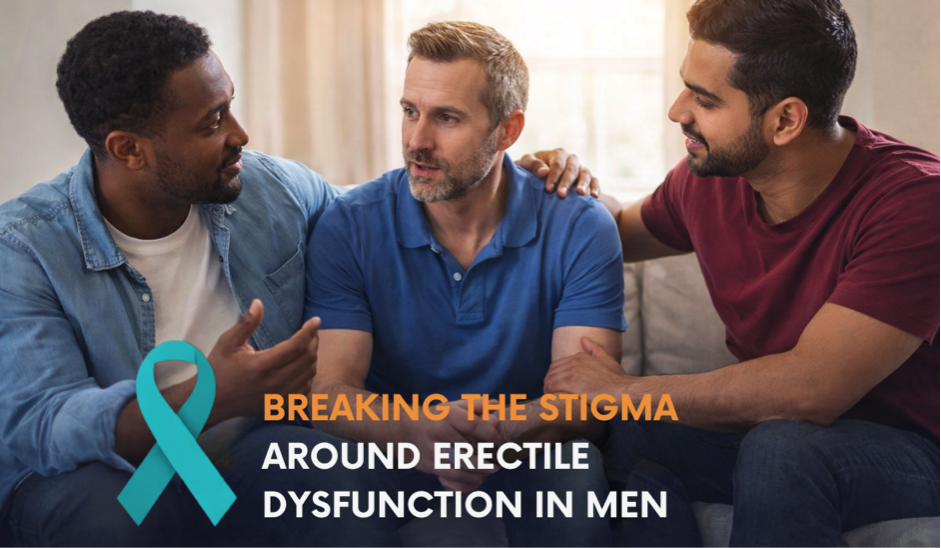
Erectile dysfunction (ED) is far more common than most people think, yet it remains one of the least talked-about health issues among men. Many suffer in silence, often feeling embarrassed or isolated. However, growing awareness such as the increasing visibility of Quad ED associated with Clark Family Medicine is helping normalize the conversation and show that men are actively seeking safe, medically guided solutions.
Breaking the stigma around erectile dysfunction starts with open conversations, better awareness, and a shift in how we view men’s health overall.
What Is Erectile Dysfunction?
Erectile dysfunction (ED) is a condition where a man has difficulty getting or keeping an erection firm enough for sexual activity. While occasional issues are normal and can happen due to stress or fatigue, ED is diagnosed when the problem becomes frequent or ongoing.
It’s important to understand that ED is not just about sexual performance. In many cases, it can be an early sign of underlying health concerns such as poor blood flow, hormonal imbalances, or even stress and anxiety. That’s why it’s often considered both a physical and psychological condition.
ED can affect men of all ages, though it becomes more common as men get older. However, younger men can also experience it, especially due to lifestyle factors like stress, lack of sleep, or unhealthy habits.
The key takeaway is simple: erectile dysfunction is a common and treatable medical condition not something to feel ashamed about. Seeking the right support can lead to effective solutions and improved overall health.
Why ED Is Still a Taboo Topic
Even in 2026, conversations about sexual health especially male sexual health are often avoided. Society often links masculinity with performance, creating unrealistic expectations.
When a man experiences ED, he may feel like he’s “less of a man.” This belief is harmful and far from the truth.
Common reasons for the stigma:
- Fear of judgment or embarrassment
- Cultural expectations around masculinity
- Lack of open discussion in families or education
- Misleading portrayals in media
As a result, many men delay treatment, which can affect both physical and emotional health.
The Real Causes of Erectile Dysfunction
Erectile dysfunction (ED) is often misunderstood as just a performance issue, but in reality, it usually has deeper physical or psychological causes. Understanding these causes is key to removing blame and finding the right solution.
Physical Causes
Many cases of ED are linked to how well blood flows through the body. An erection depends on proper circulation, so anything that affects blood vessels can play a role.
Common physical causes include:
- Poor blood circulation: Reduced blood flow to the penis is one of the most common reasons
- High blood pressure and heart conditions: These can damage blood vessels over time
- Diabetes: High blood sugar levels can affect nerves and circulation
- Hormonal imbalances: Low testosterone levels may reduce sexual function
- Obesity: Excess weight can impact both hormones and blood flow
- Medication side effects: Some drugs can interfere with sexual performance
In many cases, ED can be an early warning sign of broader health issues, especially related to heart health.
Psychological Causes
Mental and emotional factors can also have a strong impact on sexual performance. Even if the body is physically healthy, the mind plays a crucial role.
Common psychological causes include:
- Stress: Daily pressure from work or life can affect performance
- Anxiety: Performance anxiety can create a cycle of repeated issues
- Depression: Low mood can reduce sexual desire and energy
- Relationship problems: Lack of communication or emotional connection can contribute
These factors are often overlooked, but they are just as important as physical health.
Lifestyle Factors
Certain habits can increase the risk of ED or make symptoms worse over time.
These include:
- Smoking
- Excessive alcohol consumption
- Lack of physical activity
- Poor diet
- Inadequate sleep
Small lifestyle changes can often lead to noticeable improvements.
The Emotional Impact Men Don’t Talk About
Erectile dysfunction doesn’t just affect physical intimacy it can deeply impact a man’s emotional and mental well-being. Yet, this side of ED is rarely discussed, which often makes the experience feel even more isolating.
For many men, sexual performance is closely tied to confidence and identity. When ED occurs, it can trigger feelings of self-doubt and insecurity. A man may start questioning his masculinity or feel like he’s letting his partner down, even though ED is a common medical condition.
Loss of Confidence and Self-Esteem
One of the most immediate effects of ED is a drop in self-confidence. Men may begin to avoid intimate situations out of fear of failure. Over time, this avoidance can reinforce negative thoughts and make the problem feel worse than it is.
Anxiety and Performance Pressure
After experiencing ED once or twice, many men develop performance anxiety. The fear of it happening again can create a cycle where stress itself becomes the cause. This mental pressure can make it harder to relax, which is essential for normal sexual function.
Strain on Relationships
ED can also affect relationships, especially when it’s not openly discussed. Misunderstandings may arise, with partners feeling confused or even rejected. Without communication, emotional distance can grow.
However, honest conversations often lead to stronger connections. When both partners understand the situation, it reduces pressure and builds trust.
Feelings of Isolation
Because ED is still considered a sensitive topic, many men keep their struggles to themselves. This silence can lead to loneliness and frustration. They may feel like they’re the only ones dealing with it, even though millions of men experience the same issue.
Impact on Mental Health
Over time, untreated ED can contribute to:
- Ongoing stress
- Low mood or depression
- Reduced motivation
- Withdrawal from social or romantic life
This is why addressing the emotional side of ED is just as important as treating the physical causes.
Why Talking About ED Matters
Breaking the stigma around ED means recognizing that emotional struggles are valid and deserve attention. Seeking help whether through a doctor, therapist, or open communication with a partner can make a meaningful difference.
Erectile dysfunction is not just a physical condition. It’s a human experience that affects both body and mind, and no one should have to deal with it alone.
Benefits of speaking up:
- Encourages early diagnosis
- Reduces shame and embarrassment
- Strengthens relationships
- Supports mental well-being
Partners also play an important role. Understanding and support can ease pressure and improve communication.
Modern Treatment Options Are More Accessible Than Ever
One of the most encouraging shifts in recent years is how easy it has become to seek help for erectile dysfunction (ED). What once felt like an uncomfortable, in-person conversation can now be handled privately, safely, and with professional guidance.
Today, ED is treated as a manageable medical condition, with multiple options available based on individual needs.
Prescription Medications
Oral medications remain one of the most common treatments. These work by improving blood flow, making it easier to achieve and maintain an erection when sexually stimulated.
They are widely used, clinically tested, and often effective when taken as directed under medical supervision.
Telehealth And Online Consultations
Telehealth has changed how men approach ED treatment. Instead of visiting a clinic, many now complete a simple online consultation from home.
A licensed healthcare provider reviews the information and recommends appropriate treatment if needed. This approach offers:
- Privacy and convenience
- Faster access to care
- Reduced anxiety around seeking help
It has played a major role in reducing the stigma around ED.
Therapy And Counseling
Since psychological factors like stress and anxiety can contribute to ED, therapy can be a valuable part of treatment.
Counseling helps men:
- Manage performance anxiety
- Improve confidence
- Address relationship concerns
- Reduce stress
In many cases, combining therapy with medical treatment leads to better outcomes.
Hormonal Support
For men with low testosterone levels, hormone therapy may be recommended. This approach focuses on restoring hormonal balance, which can improve energy levels, mood, and sexual function.
It is typically guided by medical testing and professional supervision.
Lifestyle Changes That Can Help
Improving overall health can often improve ED symptoms.
Helpful habits:
- Regular exercise
- Balanced, nutrient-rich diet
- Stress management
- Limiting alcohol and quitting smoking
- Quality sleep
These small changes can have a lasting impact on both physical and sexual health.
How Society Can Help Break The Stigma
Changing how we talk about ED requires a collective effort.
Key steps:
- Better education: Normalize men’s health discussions
- Honest media representation: Reduce unrealistic expectations
- Proactive healthcare: Doctors initiating conversations
- Peer support: Encouraging open dialogue
When ED is treated like any other health condition, the stigma begins to fade.
Supporting Someone With ED
If someone you care about is dealing with ED, your support matters.
Ways to help:
- Be understanding and patient
- Avoid blame or pressure
- Encourage professional guidance
- Focus on emotional connection
Support can ease anxiety and improve outcomes.
The Role of Mental Health in ED
Mental health plays a major role in sexual health. Addressing stress, anxiety, or depression can improve ED symptoms.
Therapy can help with:
- Performance anxiety
- Confidence building
- Stress management
- Relationship communication
Seeking help is a positive step, not a weakness.
Final Thoughts
Erectile dysfunction is a common and treatable condition. The real issue lies in the stigma that prevents men from seeking help.
Encouragingly, the growing awareness seen through discussions like Quad ED linked to Clark Family Medicine reflects a shift toward more open, medically guided approaches. This kind of visibility helps normalize ED and shows that seeking support is both common and responsible.
If you or someone you know is dealing with ED, remember you’re not alone, and effective help is available. Taking that first step can lead to real improvements in both confidence and overall well-being.
FAQs
Is erectile dysfunction a normal part of aging?
Erectile dysfunction becomes more common with age, but it is not considered a normal or unavoidable part of aging. Many men maintain healthy sexual function well into later life with the right lifestyle and medical support.
Can erectile dysfunction go away on its own?
In some cases, especially when caused by stress or temporary factors, ED may improve on its own. However, if it happens frequently or persists, it’s important to identify and address the underlying cause.
Can stress or anxiety really cause ED?
Yes, mental health plays a major role. Stress, anxiety, and performance pressure can interfere with the body’s natural response, making it difficult to achieve or maintain an erection.
Are ED treatments safe?
Most treatments are safe when used under medical supervision. It’s always best to consult a healthcare professional before starting any medication or therapy to ensure it’s suitable for your condition.
When should I see a doctor for ED?
If you experience ED regularly or it lasts for several weeks, it’s a good idea to seek medical advice. Early evaluation can help identify any underlying health issues.
Do lifestyle changes really help with ED?
Yes, lifestyle improvements such as regular exercise, a balanced diet, better sleep, and reducing alcohol or smoking can significantly improve symptoms in many cases.
Can younger men experience erectile dysfunction?
Yes, ED can affect men of all ages. In younger men, it is often linked to stress, anxiety, or lifestyle habits rather than physical health conditions.
Is erectile dysfunction a sign of other health problems?
Sometimes, yes. ED can be an early indicator of conditions like heart disease, diabetes, or hormonal imbalances, which is why it should not be ignored.
Other Articles You May Find of Interest...
- Best THC Drinks by Occasion: A Buyer’s Guide to Every Dose and Vibe
- DoKegel App: What It Is, What’s Included, How to Manage Subscription
- Is Kegel Care Legit? What We Found After Digging Into the App
- Best Longevity Peptide Suppliers Canada 2026: NAD+, GHK-Cu & MOTS-c Ranked
- ACROM NMN Complex Review: What a 30-Day Trial Can and Can’t Tell You
- Avantera Elevate Gummies Review: Same Formula as Elevate Capsules, New Sour Blue Raspberry Form
- Top 15 Healthcare Software Development Companies in the US for 2027