
More Reviews Articles
FemiPro Reviews 2026: Ingredients, Bladder Health Support, and Product Overview
Disclosure: This article may contain sponsored content or affiliate links provided by third parties. Publication does not constitute an endorsement by Your Health Magazine.
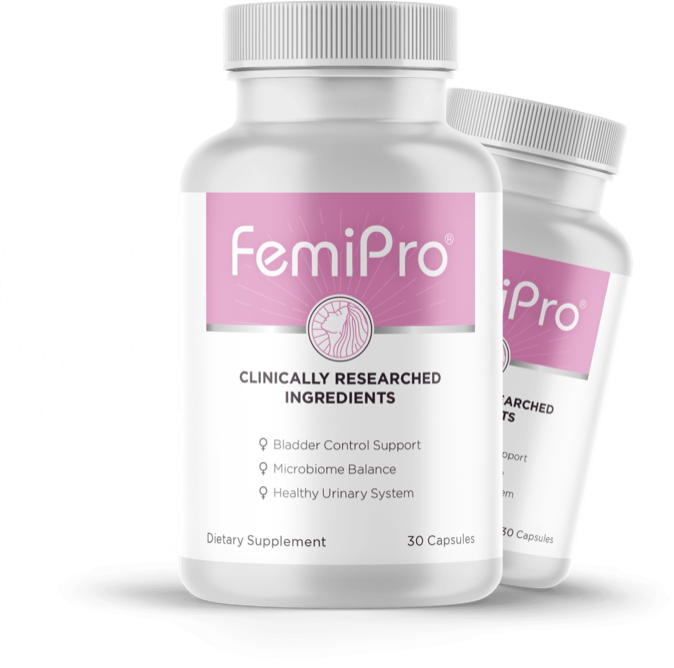
If you’ve been searching for a natural supplement to support bladder control and urinary tract health, you may have come across FemiPro — a capsule-based formula that claims to rebalance the urinary microbiome and reduce involuntary leaks. But does the science hold up? Are the ingredients evidence-backed? And who is this product actually designed for?
This in-depth FemiPro review answers all of those questions. We’ll examine every ingredient, explore the mechanism behind the formula, discuss realistic expectations, and help you decide whether this supplement is worth adding to your wellness routine.
Take control of your bladder health — start with the science.
What Is FemiPro?
FemiPro is a women’s health dietary supplement formulated to support bladder control, urinary tract function, and the balance of bacteria within the urinary microbiome. Unlike many conventional approaches to bladder discomfort that address only the symptoms, FemiPro takes a microbiome-centered approach — targeting the bacterial environment of the vagina, urinary tract, and bladder simultaneously.
The product is taken as a daily capsule and is positioned for women who experience urinary urgency, involuntary leaks, or recurrent urinary discomfort linked to an imbalanced microbial environment. The formula is marketed as natural, non-stimulant, and free from GMOs and artificial additives.
Its central premise: when harmful bacteria overpopulate the urinary microbiome, they can trigger inflammatory responses that overstimulate the detrusor (bladder wall) muscle — leading to the sudden urge to urinate and, in some cases, involuntary loss of urine. By addressing bacterial balance rather than simply numbing nerve signals, FemiPro aims to support urinary control at its root.[1,3]
Understanding the Urinary Microbiome: The Science Behind FemiPro
For much of the 20th century, the medical community considered the bladder a sterile organ. That understanding has changed substantially. Over the past decade, urological research has confirmed that the bladder and the broader urogenital tract host a distinct community of microorganisms, now referred to as the urinary microbiome.[1]
This microbial community influences how the bladder functions, how susceptible it is to infection, and how the detrusor muscle responds to signals from the nervous system. A healthy urinary microbiome is typically dominated by beneficial Lactobacillus species, which protect the mucosal lining and help suppress pathogenic bacteria.[2,3]
When this balance is disrupted — by antibiotic use, hormonal changes, dietary habits, stress, or aging — harmful bacteria can proliferate. Some of these organisms trigger inflammatory cascades that lower the threshold for bladder muscle contractions, leading to urgency, frequency, and leakage.[2]
Research published in journals including the Journal of Urology and Frontiers in Cellular and Infection Microbiology has increasingly validated this connection between urinary microbiome composition and bladder overactivity.[2,3]
Your body deserves better than guessing — learn what’s really behind your symptoms.
FemiPro Ingredients: What’s Inside and Why It Matters
FemiPro combines five targeted ingredients, each playing a distinct role in supporting urinary and microbiome health.
1. Mimosa Pudica (Sensitive Plant Seed)
Role: Mucosal protection. Mimosa pudica seeds are rich in mucilaginous fiber that forms a protective gel along the urinary tract lining, helping reduce bacterial adhesion. Rooted in Ayurvedic tradition, it also shows early promise for anti-inflammatory activity, though large-scale clinical data remain limited.[4]
2. Bearberry (Uva Ursi)
Role: Targeted antibacterial support. Bearberry’s active compound, arbutin, converts in the kidneys to hydroquinone — a well-documented antibacterial agent effective against common urinary pathogens like E. coli. It carries centuries of traditional use and qualified clinical backing for reducing urinary tract discomfort without broadly disrupting beneficial bacteria.[5,6]
3. Cranberry Extract
Role: Anti-adhesion defense. Cranberry’s proanthocyanidins (PACs) prevent bacteria from latching onto urinary tract walls — one of the most clinically supported mechanisms in urinary health. Multiple systematic reviews, including a Cochrane Review, link regular cranberry supplementation to a meaningful reduction in recurrent UTIs in women.[7,8]
4. Probiotic Blend
Role: Microbiome restoration. A proprietary blend of beneficial bacteria aimed at replenishing Lactobacillus populations in the urogenital tract — strains that naturally suppress harmful pathogens. Clinical trials have demonstrated that targeted probiotic supplementation can reduce recurrent UTI rates in women, including post-menopausal populations. Specific strains and CFU counts in FemiPro’s blend are not disclosed, which limits direct comparison with clinical dosing.[9,10]
5. Granular Berberine
Role: Antimicrobial and anti-inflammatory support. Berberine is a plant-derived alkaloid with broad-spectrum antibacterial properties and the ability to modulate inflammatory pathways that contribute to bladder hypersensitivity. The granular form is designed to improve absorption and minimize the gastrointestinal discomfort sometimes associated with standard berberine preparations.[11,12]
How FemiPro Works: The Multi-Layered Mechanism
FemiPro’s approach to urinary health operates across several interconnected pathways:
- Antimicrobial action — Bearberry and berberine work to reduce harmful bacterial populations that can trigger inflammatory overstimulation of the bladder wall.
- Anti-adhesion protection — Cranberry extract’s proanthocyanidins prevent pathogenic bacteria from adhering to urinary tract epithelium, disrupting colonization before it takes hold.
- Microbiome restoration — The probiotic blend aims to replenish Lactobacillus populations and restore a healthier microbial balance in the urogenital environment.
- Mucosal integrity — Mimosa pudica may reinforce the mucous membrane lining of the urinary tract, acting as a physical and biochemical barrier against bacterial invasion.
Together, these mechanisms aim to reduce the conditions that drive bladder overactivity and involuntary leakage — addressing the problem at the level of the microbiome rather than masking symptoms at the neurological level.[1,2,7]
Small daily habits. Big bladder relief. Find out how.
Who Is FemiPro Designed For?
Based on its formula and stated purpose, FemiPro appears to be most relevant to women who experience one or more of the following:
- Urinary urgency — A sudden, strong urge to urinate that is difficult to defer or control.
- Stress or urge urinary incontinence — Involuntary loss of small amounts of urine triggered by urgency or physical activity.
- Recurrent UTI susceptibility — A personal history of frequent or recurrent bladder or urinary tract discomfort.
- Post-menopausal urogenital changes — Hormonal shifts that alter the vaginal and urinary microbiome, increasing vulnerability to infection and bladder overactivity.
- Post-antibiotic microbiome disruption — A microbiome disrupted by prolonged antibiotic use, illness, or significant dietary changes.
Post-menopausal women are particularly relevant given that declining estrogen levels lead to measurable shifts in urogenital microbiome composition, increasing susceptibility to UTIs and overactive bladder symptoms.[13,14]
FemiPro is a dietary supplement, not a pharmaceutical product, and should not replace professional medical evaluation or treatment — particularly in cases involving suspected infection, structural bladder issues, or worsening symptoms.
Potential Limitations and Honest Considerations
Proprietary Blend Opacity
While FemiPro’s ingredients are individually well-chosen, the use of a proprietary blend means that the precise dosages of at least some components are not disclosed. This makes it difficult for consumers or practitioners to compare amounts against the dosages studied in clinical literature. Transparency in dosing is a standard expectation in quality supplementation.
Variability in Individual Response
Bladder and urinary health is influenced by a wide range of factors beyond bacterial balance — including pelvic floor muscle tone, body weight, hormonal status, hydration levels, neurological function, and structural anatomy. A supplement targeting one dimension of this complex system may provide meaningful support for some women while having a more modest effect for others.
FDA Regulatory Status
Like all dietary supplements sold in the United States, FemiPro has not been reviewed or approved by the FDA for the diagnosis, treatment, or prevention of any medical condition. This is a standard regulatory framework for the supplement industry and should prompt consumers to approach any such product with informed expectations.
Not a Replacement for Medical Care
Women experiencing significant, worsening, or long-standing urinary symptoms should prioritize consultation with a healthcare provider. Conditions such as interstitial cystitis, pelvic organ prolapse, neurogenic bladder, or active urinary tract infections require professional diagnosis and management that a supplement is not equipped to provide.
Quality, Safety, and Manufacturing Standards
FemiPro is described as a natural, non-GMO formula free from stimulants, artificial additives, and allergens — positive baseline indicators for any daily supplement. These characteristics make it suitable for a broader range of users, including those with sensitivities to common supplement fillers.
Consumers interested in additional quality assurance are encouraged to look for confirmation that the product is manufactured in an FDA-registered, cGMP (current Good Manufacturing Practices) certified facility. Such certifications provide assurance that the manufacturing process meets consistent standards for ingredient purity, potency, and safety.
Bearberry should generally be used for defined periods rather than indefinitely, as prolonged high-dose use has been associated with potential concerns in some studies. Users are encouraged to follow the manufacturer’s recommended dosing guidelines and to consult a healthcare provider if taking the supplement long-term.
Don’t ignore the signals — your urinary microbiome may be telling you something.
FemiPro in the Context of a Holistic Approach to Bladder Health
No supplement — however well-formulated — works in isolation. For women seeking meaningful improvement in urinary control and bladder health, FemiPro is most likely to deliver value as part of a broader lifestyle strategy that includes:
- Pelvic floor rehabilitation — Targeted exercises to strengthen the pelvic floor and improve bladder control, with or without professional physiotherapy guidance.
- Hydration management — Adequate daily fluid intake (typically 1.5–2 litres) supports kidney function and helps dilute urine to reduce bladder irritation.
- Dietary adjustments — Reducing or eliminating known bladder irritants such as caffeine, carbonated drinks, artificial sweeteners, and alcohol.
- Bladder training — Establishing regular bathroom visits to train the bladder and reduce urgency-driven habits.
- Weight management — Achieving or maintaining a healthy body weight, as excess weight increases intra-abdominal pressure on the bladder.
Used within this broader framework, a microbiome-supportive supplement like FemiPro may contribute meaningfully to overall urinary wellness outcomes.
Final Verdict: Is FemiPro Worth Considering?
FemiPro presents a thoughtfully constructed formula grounded in a scientifically credible premise: that the bacterial composition of the urinary microbiome has a direct bearing on bladder function and urinary control. Its ingredient selection — cranberry extract, bearberry, berberine, a probiotic blend, and mimosa pudica — reflects a multi-mechanism approach that addresses bacterial adhesion, harmful bacterial overgrowth, microbiome restoration, and mucosal protection simultaneously.
Several of these ingredients, particularly cranberry extract and bearberry, carry meaningful clinical evidence for their roles in supporting urinary tract health.[5,6,7] Others, like mimosa pudica, are backed more by traditional use and preliminary research than robust clinical trials.[4]
For women experiencing urinary urgency, mild leakage, or recurrent episodes of urinary discomfort who are interested in a natural, microbiome-centered approach, FemiPro is a supplement that merits informed consideration — particularly when discussed with a healthcare provider. It is not a cure, and it is not a substitute for physiotherapy, lifestyle changes, or medical treatment when those are warranted.
But for the right candidate, as part of a thoughtful and comprehensive approach to urinary wellness, FemiPro’s formula is backed by a more coherent scientific rationale than many supplements in its category.
Ready to support your bladder from the inside out? Here’s where to begin.
Frequently Asked Questions About FemiPro
Is FemiPro safe to take every day?
FemiPro is formulated as a daily supplement using natural, non-stimulant ingredients. However, women who are pregnant, nursing, on prescription medications (particularly those for blood sugar or blood pressure, which may interact with berberine), or managing chronic health conditions should consult a physician before beginning any new supplement.
How long does it take to see results from FemiPro?
Probiotic and herbal interventions targeting the microbiome typically work gradually. Many users of similar formulas report noticing changes after four to eight weeks of consistent daily use. Results will vary depending on the underlying cause of symptoms and individual biology.
Can FemiPro be used to treat a urinary tract infection?
No. FemiPro is a preventive and supportive supplement, not a treatment for acute infection. If you suspect an active UTI, you should seek prompt evaluation from a healthcare provider. Untreated UTIs can progress to more serious kidney infections and require appropriate medical care.
Are there any side effects associated with FemiPro?
Cranberry, bearberry, and probiotics are generally well-tolerated. Some users may experience mild gastrointestinal effects, particularly when first starting the probiotic component. Berberine can interact with certain medications and should be used with caution by those on diabetes or cardiovascular medications. If any adverse effects occur, discontinue use and consult a healthcare provider.
Is FemiPro suitable for post-menopausal women?
FemiPro’s focus on microbiome restoration is particularly relevant for post-menopausal women, who often experience significant shifts in the urogenital microbiome due to declining estrogen levels. These shifts can increase susceptibility to UTIs and bladder overactivity. That said, post-menopausal women with complex health profiles should consult a physician before adding any supplement.
Does FemiPro require a prescription?
No. FemiPro is an over-the-counter dietary supplement and does not require a prescription. It is available through the manufacturer’s website.
References & Sources
All claims in this article are supported by peer-reviewed research, regulatory assessments, or established clinical literature. Sources are numbered in order of appearance.
- [1] Wolfe AJ, Brubaker L. “Urobiome updates: advances in urinary microbiome research.” Nature Reviews Urology. 2019 16(2):73–74. — https://www.nature.com/articles/s41585-018-0127-4
- [2] Karstens L et al. “Associations of the urinary microbiota with clinical characteristics in women with overactive bladder.” Frontiers in Cellular and Infection Microbiology. 2022 12:1–11. — https://www.frontiersin.org/articles/10.3389/fcimb.2022.916638/full
- [3] Thomas-White K et al. “Evaluation of the urinary microbiota of women with uncomplicated stress urinary incontinence.” American Journal of Obstetrics and Gynecology. 2017 216(1):55.e1–55.e16. — https://www.ajog.org/article/S0002-9378(16)30589-4/fulltext
- [4] Molina-Recio G et al. “Phytochemical and pharmacological properties of Mimosa pudica: a systematic review.” Evidence-Based Complementary and Alternative Medicine. 2021 — https://www.hindawi.com/journals/ecam/2021/6657948/
- [5] European Medicines Agency (EMA). “Assessment Report on Arctostaphylos uva-ursi (L.) Spreng., folium.” EMA/HMPC. 2012 — https://www.ema.europa.eu/en/documents/herbal-report/final-assessment-report-arctostaphylos-uva-ursi-l-spreng-folium_en.pdf
- [6] Larsson B, Jonasson A, Fianu S. “Prophylactic effect of Uva-E in women with recurrent cystitis: a preliminary report.” Current Therapeutic Research. 1993 53(4):441–443. — https://www.sciencedirect.com/science/article/abs/pii/S0011393X05802117
- [7] Jepson RG, Williams G, Craig JC. “Cranberries for preventing urinary tract infections.” Cochrane Database of Systematic Reviews. 2012 (10):CD001321. — https://www.cochranelibrary.com/cdsr/doi/10.1002/14651858.CD001321.pub5/full
- [8] Kranjčec B, Papeš D, Altarac S. “D-mannose powder for prophylaxis of recurrent urinary tract infections in women: a randomized clinical trial.” World Journal of Urology. 2014 32(1):79–84. — https://pubmed.ncbi.nlm.nih.gov/23633128/
- [9] Stapleton AE et al. “Randomized, placebo-controlled phase 2 trial of a Lactobacillus crispatus probiotic given intravaginally for prevention of recurrent urinary tract infection.” Clinical Infectious Diseases. 2011 52(10):1212–1217. — https://pubmed.ncbi.nlm.nih.gov/21507940/
- [10] Beerepoot MA et al. “Lactobacilli vs antibiotics to prevent urinary tract infections: a randomized, double-blind, noninferiority trial in postmenopausal women.” Archives of Internal Medicine. 2012 172(9):704–712. — https://pubmed.ncbi.nlm.nih.gov/22782196/
- [11] Yin J et al. “Efficacy of berberine in patients with type 2 diabetes mellitus.” Metabolism. 2008 57(5):712–717. — https://pubmed.ncbi.nlm.nih.gov/18442638/
- [12] Peng L et al. “Berberine and its role in microbial infection and inflammation.” Frontiers in Pharmacology. 2021 12:653428. — https://www.frontiersin.org/articles/10.3389/fphar.2021.653428/full
- [13] Foxman B. “Urinary tract infection syndromes: occurrence, recurrence, bacteriology, risk factors, and disease burden.” Infectious Disease Clinics of North America. 2014 28(1):1–13. — https://pubmed.ncbi.nlm.nih.gov/24484571/
- [14] Raz R et al. “A controlled trial of intravaginal estriol in postmenopausal women with recurrent urinary tract infections.” New England Journal of Medicine. 1993 329(11):753–756. — https://pubmed.ncbi.nlm.nih.gov/8102421/
Medical Disclaimer
This article is intended for informational and educational purposes only and does not constitute medical advice. The content presented here has not been evaluated by the Food and Drug Administration. Dietary supplements are not intended to diagnose, treat, cure, or prevent any disease or medical condition. Always consult a qualified healthcare professional before starting any new supplement, especially if you are pregnant, nursing, taking medications, or managing a health condition.
Other Articles You May Find of Interest...
- P Protect Reviews – Men’s Wellness Patches For Prostate Support and Urinary Comfort
- OnyGuard Anti-Fungal Pen Reviews 2026 – Legit Nail Care Product Or Overhyped?
- DirectMeds ED Reviews 2026 – Is DirectMax A Real Alternative To Standard ED Pills?
- Soda Steel Reviews 2026 – Legit Daily Energy Support or Overhyped Supplement?
- Is Rich Diet App Legit? Subscription, Support, and How to Cancel
- GLP-Star App Review 2026: A GLP-1 Meal Plan for Real Life
- Decamen App Review 2026: Military Calisthenics Workouts for Busy Men