





More Reviews Articles
HepatoBurn Review 2026: Ingredients, Benefits, and What You Should Know Before Trying It
Disclosure: This article may contain sponsored content or affiliate links provided by third parties. Publication does not constitute an endorsement by Your Health Magazine.
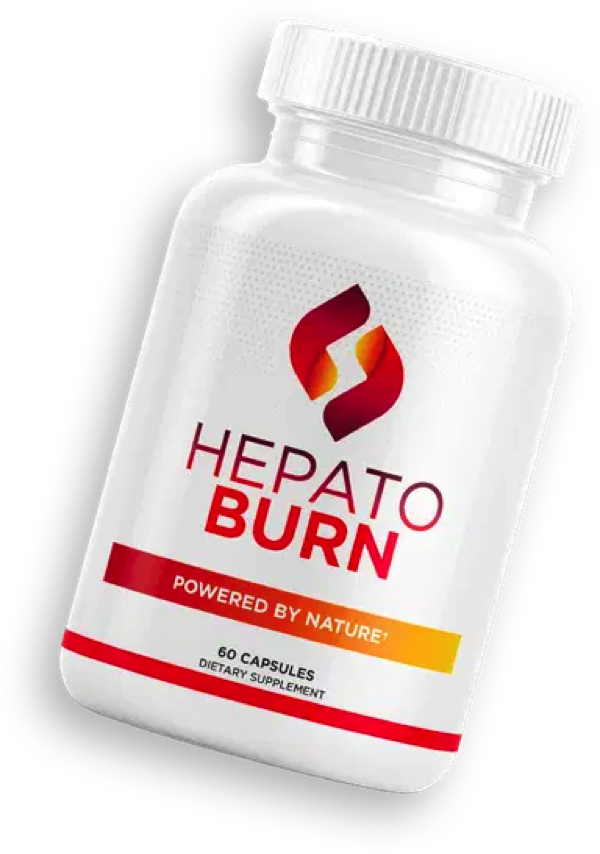
The weight loss supplement market is crowded — and navigating it can feel overwhelming. Among the newer entrants that have drawn considerable attention is HepatoBurn, a liver-focused supplement that takes a different approach from traditional fat burners or appetite suppressants.
Rather than relying on stimulants or appetite suppression alone, HepatoBurn is built around the premise that liver function plays a central role in metabolism and fat processing. In this review, we’ll look at what HepatoBurn actually contains, how those ingredients relate to existing scientific literature, who it may be appropriate for, and what limitations or considerations potential users should keep in mind.
What Is HepatoBurn?
HepatoBurn is a dietary supplement sold in capsule form. It markets itself as a liver support and metabolic optimization product, combining two proprietary blends the manufacturer calls the “Liver Purification Complex” and the “Liver Fat-Burning Complex.”
The core idea is that environmental toxins, processed foods, alcohol, and other modern stressors can impair liver function — and that an impaired liver processes dietary fat less efficiently, leading to weight gain and low energy. By supporting liver detoxification and regeneration, the body can restore more optimal metabolic function.
This isn’t a fringe concept. Liver health genuinely intersects with metabolism, and conditions like non-alcoholic fatty liver disease (NAFLD) are known to be associated with metabolic dysfunction and weight gain. The key question is whether a supplement like HepatoBurn can meaningfully influence liver function in otherwise healthy or subclinically affected individuals.
HepatoBurn Ingredients: A Closer Look
HepatoBurn contains ten active ingredients split across two proprietary blends. Several of these compounds have been studied independently for their effects on liver health and metabolism.
Liver Purification Complex
1. Silymarin (Milk Thistle Extract)
Silymarin, derived from the milk thistle plant (Silybum marianum), is perhaps the most well-studied natural compound for liver support. Research suggests it can reduce oxidative stress in liver cells, support the regeneration of damaged hepatocytes, and reduce markers of liver inflammation. A 2024 systematic review covering 29 randomized clinical trials and 3,846 participants concluded that silymarin shows measurable hepatoprotective effects across diverse liver conditions. [1] An earlier narrative review in Advances in Therapy confirmed that silymarin reduces oxidative stress and protects intact liver cells from cytotoxic damage. [2] It is widely used in integrative medicine and is generally considered safe at standard doses.
2. Betaine (Trimethylglycine)
Betaine is a natural compound found in beets, spinach, and whole grains. It plays a role in methylation pathways and has been researched in the context of NAFLD. A 2022 study published in Foods (MDPI) found that betaine supplementation significantly increased the expression of enzymes related to fatty acid oxidation in livers of high-fat diet-fed mice. [3] A PubMed-indexed review evaluating betaine’s effects on non-alcoholic liver disease noted it reduced hepatic fat, improved antioxidative defense, and lowered inflammatory cytokine expression. [4] Results across human trials have been mixed, though betaine’s role in homocysteine metabolism — with cardiovascular implications — is well-established.
3. Berberine
Berberine is a plant alkaloid found in barberry and goldenseal, and one of the more pharmacologically active compounds in the supplement world. A pivotal study in the American Journal of Physiology demonstrated that berberine improved lipid dysregulation and fatty liver in obese mice by activating AMP-activated protein kinase (AMPK) — an enzyme central to cellular energy regulation — in both liver and muscle tissue. [5] A 2024 systematic review covering 73 research papers (9 clinical, 64 pre-clinical) confirmed that berberine positively impacts NAFLD-related mechanisms including AMPK activation and gut microbiota modulation, with human studies showing a measurable reduction of liver fat and improved serum lipid profiles. [6]
4. Molybdenum
Molybdenum is a trace mineral that serves as a cofactor for several enzymes involved in the metabolism of sulfur-containing compounds and environmental toxins. It plays a role in the body’s ability to detoxify sulfites, purines, and certain medications processed by the liver. While it is an essential micronutrient recognized by major health authorities, its direct role in fat metabolism is less clearly established compared to the other ingredients in this blend. Its inclusion in a liver detoxification formula is grounded in its known enzymatic roles in hepatic clearance.
5. Glutathione
Often called the body’s “master antioxidant,” glutathione is produced naturally by the liver and is central to its detoxification processes and redox balance. A 2025 literature review (covering studies from 2014–2024) concluded that glutathione targets key drivers of NAFLD by mitigating oxidative stress and cellular injury, and may improve liver function biomarkers including ALT and GGT. [7] A 2023 review in Frontiers in Medicine further outlined how glutathione supports detoxification from xenobiotics, immune system modulation, and protection against liver fibrosis progression. [8] Oral bioavailability remains an ongoing discussion — some formulations use liposomal delivery or precursors like N-acetyl cysteine (NAC) to improve absorption.
Liver Fat-Burning Complex
6. Resveratrol
Resveratrol is a polyphenol found naturally in red grapes, berries, and peanuts. A comprehensive PubMed review confirmed that resveratrol can improve glucose metabolism and lipid profiles, reduce liver fibrosis, and reduce steatosis, making it a potential option for NAFLD management. [9] A double-blind, placebo-controlled clinical trial involving 60 NAFLD patients found that 600 mg/day of resveratrol over 12 weeks produced measurable improvements in oxidative and antioxidative status compared to placebo. [10] Bioavailability from standard oral supplements can vary, and higher doses may be needed to replicate effects seen in research settings.
7. Camellia Sinensis (Green Tea Extract)
Camellia sinensis is the plant source of green tea and is rich in catechins — particularly epigallocatechin gallate (EGCG). A double-blind, placebo-controlled study found that Camellia sinensis leaf extract produced a statistically significant improvement in fat oxidation rates vs placebo in overweight post-menopausal women, measured by indirect calorimetry. [11] A 2025 systematic review (Springer Nature) analyzing 14 RCTs confirmed that green tea consumption — alone or combined with exercise — produced meaningful effects on body weight, BMI, and waist circumference in adults with obesity. [12]
8. Genistein
Genistein is an isoflavone found primarily in soy, studied for its antioxidant, anti-inflammatory, and adipogenic properties. Research published in PubMed found that genistein blocks adipogenesis by interfering with the transcriptional activity of C/EBPβ — a key regulator of fat cell differentiation — leading to a dramatic reduction in lipid accumulation. [13] A separate PMC study found that genistein inhibited adipocyte differentiation in human mesenchymal stem cells and downregulated inflammatory cytokines including IL-6 and IL-8. [14] Note: it has mild phytoestrogenic effects, which some individuals — particularly those with hormone-sensitive conditions — may want to discuss with their doctor.
9. Chlorogenic Acid
Chlorogenic acid is a phytochemical found in high concentrations in unroasted coffee beans, primarily associated with green coffee bean extract. It primarily exerts its metabolic effects by inhibiting alpha-glucosidase — the enzyme that breaks down carbohydrates — thereby reducing post-meal glucose absorption. A 2021 systematic review analyzing five clinical studies found that chlorogenic acid produced measurable reductions in body weight, body fat percentage, and blood glucose concentration. [15] Earlier clinical work found that chlorogenic acid-enriched coffee reduced weight and cardiovascular risk factors in a 52-subject trial, while a 16-subject green coffee bean extract trial showed reductions in BMI and body fat over 22 weeks. [16]
10. Choline
Choline is an essential nutrient required for the synthesis of phosphatidylcholine — a key component of cell membranes and VLDL particles the liver uses to export fat into circulation. A PubMed-indexed review found that humans consuming low-choline diets develop fatty liver and measurable liver damage, modulated by estrogen status and individual genetic variation. [17] Research analyzing 664 NAFLD patients confirmed that decreased choline intake is significantly associated with increased liver fibrosis, particularly in post-menopausal women. [18] These findings make choline a clinically meaningful inclusion in a liver-focused metabolic supplement.
Read the Full Ingredient Breakdown— clear and informative, appeals to research-minded readers
What the Science Says About the Core Concept
The foundational claim — that liver function is connected to metabolism and fat processing — is scientifically grounded. The liver is responsible for:
- Metabolizing dietary fats and packaging them for distribution or storage
- Producing bile for fat digestion
- Regulating blood glucose and insulin sensitivity
- Filtering toxins and metabolizing hormones
Conditions that impair liver health, such as NAFLD, are indeed linked to insulin resistance, elevated triglycerides, and difficulty losing weight. Supporting liver health through nutrition and lifestyle is a legitimate area of health research.
Where things become less clear is in the magnitude of effect a supplement like HepatoBurn might have on an otherwise healthy liver, or even in individuals with subclinical liver congestion. The claim that liver cells can become “14 times more efficient at burning fat” is not backed by any specific peer-reviewed citation and should be viewed with appropriate skepticism.
Additionally, most of the ingredient-level research has been conducted in isolation — the synergistic effects of all ten compounds together have not been independently validated in clinical trials.
Who Might Consider HepatoBurn?
HepatoBurn may be worth considering for individuals who:
- Are exploring natural support for liver health alongside dietary and lifestyle changes
- Have been advised to support liver function by a healthcare provider
- Are interested in compounds like berberine, silymarin, or green tea extract but prefer a combination formula
- Are generally healthy adults with no contraindicated medical conditions
It is not a replacement for medical treatment in cases of diagnosed liver disease, and it is not a substitute for evidence-based interventions like diet, exercise, alcohol reduction, and sleep optimization — all of which have far more robust evidence for weight management than any supplement.
Considerations and Potential Drawbacks
Proprietary Blends: Both complexes are listed as proprietary, meaning the exact dose of each individual ingredient is not disclosed. This makes it difficult to compare the amounts used against doses studied in clinical research. Some ingredients, like berberine, require relatively specific doses to achieve studied effects.
Bioavailability Concerns: Several ingredients — notably glutathione and resveratrol — have known bioavailability challenges when taken orally. Without information on the specific delivery methods used, it’s hard to evaluate how effectively these compounds are absorbed.
Not FDA-Evaluated: Like all dietary supplements in the United States, HepatoBurn has not been evaluated by the FDA for safety or efficacy. This is standard across the supplement industry but worth noting for consumers who expect pharmaceutical-level scrutiny.
Individual Results Will Vary: Weight management is influenced by an enormous number of factors — genetics, diet quality, sleep, stress, gut microbiome, hormonal health, and physical activity. No supplement operates in isolation from these variables.
Drug Interactions: Berberine, in particular, can interact with certain medications, including blood sugar-lowering drugs, blood thinners, and some antibiotics. Individuals on prescription medications should consult a physician before using HepatoBurn.
See What’s Inside HepatoBurn— curiosity-driven, invites ingredient discovery
Manufacturing and Quality
According to the product’s website, HepatoBurn is manufactured in the USA in an FDA-registered, GMP-certified facility. GMP (Good Manufacturing Practice) certification is an important quality indicator in the supplement industry, indicating the product has been produced under standardized quality controls. The company also states that ingredients undergo third-party quality control inspections.
For consumers prioritizing quality and safety, these are positive signals, though independent third-party testing certificates — such as those from NSF International or USP — are not mentioned.
How HepatoBurn Is Typically Used
The recommended usage is one capsule taken daily with a full glass of water. The product does not contain caffeine stimulants that would require timing around sleep, making it relatively straightforward to incorporate into a daily routine.
The manufacturer suggests longer-term use — particularly for individuals over 35 — to allow the compounds time to support the body’s natural detoxification and metabolic pathways. This is consistent with how most plant-based compounds work; unlike stimulants, adaptogens and liver-support compounds tend to work gradually rather than acutely.
Final Thoughts
HepatoBurn is a thoughtfully formulated supplement that brings together ingredients with genuine scientific backing in the areas of liver health, antioxidant support, and metabolic function. Compounds like silymarin, berberine, choline, and green tea extract each carry meaningful research support when examined individually, with multiple peer-reviewed studies and meta-analyses supporting their biological relevance to liver health and fat metabolism.
The product’s central premise — that liver health is connected to metabolic efficiency and weight management — is a legitimate area of nutritional science, not pseudoscience. However, the specific claims made about the product’s potency should be evaluated critically, and expectations should be grounded in realistic outcomes.
For individuals looking to support overall liver health and complement a healthy lifestyle, HepatoBurn may be a reasonable option to discuss with a healthcare provider. It should be viewed as one component of a broader wellness approach — not a standalone solution for weight loss.
As with any supplement, informed decision-making starts with understanding the ingredients, speaking to a qualified healthcare professional, and maintaining realistic expectations about what supplementation alone can achieve.
Check HepatoBurn’s Details Here— neutral and action-oriented without being pushy
Scientific References
All citations are numbered in order of appearance in the text. Click any link to access the source.
[1] Impact of Silymarin Supplements on Liver Enzyme Levels: A Systematic Review. PubMed. 2023. PMID: 38021897. https://pubmed.ncbi.nlm.nih.gov/38021897/
[2] Silymarin as a hepatoprotective agent: a narrative review. Advances in Therapy. 2021. https://doi.org/10.1007/s12325-020-01251-y
[3] Fan C, et al. Betaine Supplementation Causes an Increase in Fatty Acid Oxidation in Livers of Mice Fed a High-Fat Diet. Foods. 2022;11(6):881. https://doi.org/10.3390/foods11060881
[4] Chen W, et al. Effects of betaine on non-alcoholic liver disease. Nutrition Research Reviews. 2022;35(1):28–38. PMID: 33818349. https://pubmed.ncbi.nlm.nih.gov/33818349/
[5] Guo T, et al. Berberine improves lipid dysregulation in obesity by controlling central and peripheral AMPK activity. American Journal of Physiology – Endocrinology and Metabolism. 2009. https://journals.physiology.org/doi/full/10.1152/ajpendo.90710.2008
[6] Berberine Effects in Pre-Fibrotic Stages of Non-Alcoholic Fatty Liver Disease — Clinical and Pre-Clinical Overview and Systematic Review. PMC. 2024. https://www.ncbi.nlm.nih.gov/pmc/articles/PMC11050387/
[7] A Literature Review of Glutathione Therapy in Ameliorating Hepatic Dysfunction in Non-Alcoholic Fatty Liver Disease. PMC. 2025. PMID: 40149620. https://pmc.ncbi.nlm.nih.gov/articles/PMC11940638/
[8] Glutathione: Pharmacological aspects and implications for clinical use in NAFLD. Frontiers in Medicine. 2023. https://doi.org/10.3389/fmed.2023.1124275
[9] The Role of Resveratrol in Liver Disease: A Comprehensive Review from In Vitro to Clinical Trials. PubMed. 2021. PMID: 33805795. https://pubmed.ncbi.nlm.nih.gov/33805795/
[10] Asghari S, et al. Effects of Pharmacologic Dose of Resveratrol Supplementation on Oxidative/Antioxidative Status Biomarkers in NAFLD Patients. Advanced Pharmaceutical Bulletin. 2018;8(2):307–317. https://www.ncbi.nlm.nih.gov/pmc/articles/PMC6046420/
[11] A 60-Day Green Tea Extract Supplementation Counteracts the Dysfunction of Adipose Tissue in Overweight Post-Menopausal and Class I Obese Women. Nutrients. 2022;14(24):5209. https://doi.org/10.3390/nu14245209
[12] Au-Doung et al. Green tea supplementation in adults with obesity: a systematic review of clinical studies. Discover Food (Springer Nature). 2025. https://doi.org/10.1007/s44187-025-00628-8
[13] Dang ZC, et al. Genistein inhibits C/EBPβ activity and 3T3-L1 adipogenesis by increasing C/EBP homologous protein expression. PubMed. 2002. PMID: 12095417. https://pubmed.ncbi.nlm.nih.gov/12095417/
[14] Genistein and daidzein repress adipogenic differentiation of human adipose tissue-derived mesenchymal stem cells via Wnt/β-catenin signalling or lipolysis. PMC. 2019. https://pmc.ncbi.nlm.nih.gov/articles/PMC6496531/
[15] Systematic Review: Effects of Chlorogenic Acid on Obesity Markers. Media Gizi Indonesia. 2021. https://doaj.org/article/9a1ed2c575544a2190342305df820328
[16] Thom E. The Effect of Chlorogenic Acid Enriched Coffee on Glucose Absorption in Healthy Volunteers. Journal of International Medical Research. 2007. https://doi.org/10.1177/147323000703500620
[17] Zeisel SH, da Costa KA. Choline: an essential nutrient for public health. Nutrition Reviews. 2009;67(11):615–623. PMID: 22134222. https://pubmed.ncbi.nlm.nih.gov/22134222/
[18] Guerrerio AL, et al. Choline intake in a large cohort of patients with nonalcoholic fatty liver disease. American Journal of Clinical Nutrition. 2012. PMID: 22338037. https://pubmed.ncbi.nlm.nih.gov/22338037/
Other Articles You May Find of Interest...
- P Protect Reviews – Men’s Wellness Patches For Prostate Support and Urinary Comfort
- OnyGuard Anti-Fungal Pen Reviews 2026 – Legit Nail Care Product Or Overhyped?
- DirectMeds ED Reviews 2026 – Is DirectMax A Real Alternative To Standard ED Pills?
- Soda Steel Reviews 2026 – Legit Daily Energy Support or Overhyped Supplement?
- Is Rich Diet App Legit? Subscription, Support, and How to Cancel
- GLP-Star App Review 2026: A GLP-1 Meal Plan for Real Life
- Decamen App Review 2026: Military Calisthenics Workouts for Busy Men





