






More Pain Management & Rehabilitation Articles
Can You Wear a Weighted Vest If You Have Scoliosis? A Complete Guide
Introduction
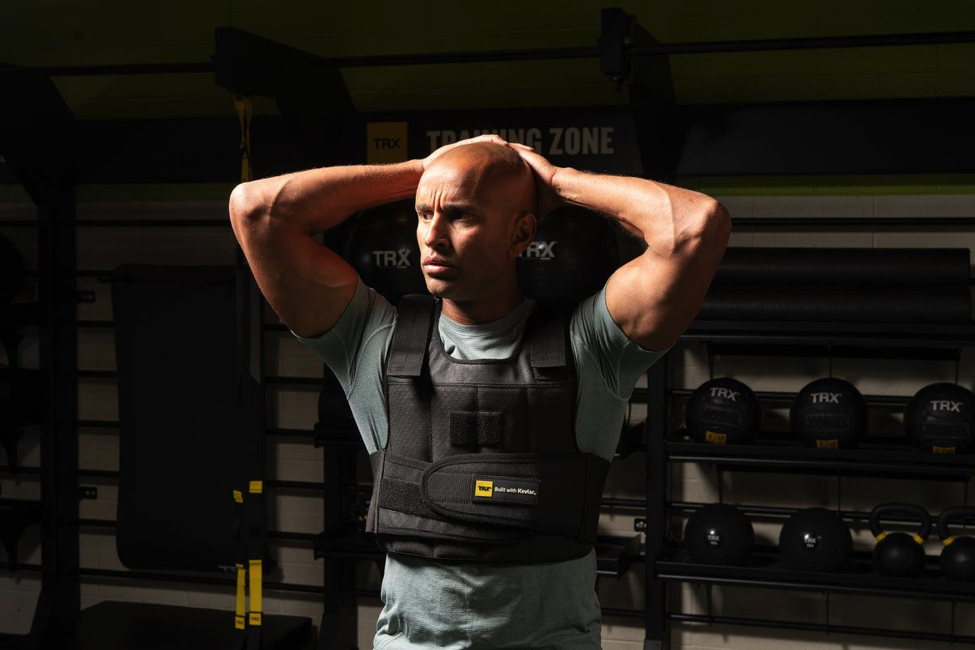
Scoliosis is a spinal condition that affects posture, movement, and overall musculoskeletal balance. As fitness trends continue to evolve, many individuals are exploring tools like weighted vests to enhance strength, endurance, and calorie burn. Brands like Zelus Fitness have made these tools more accessible for everyday users looking to level up their workouts. But an important question arises: can you wear a weighted vest if you have scoliosis?
The short answer is: it depends on your condition, severity, and how you use it. In this guide, we’ll break down everything you need to know—from benefits and risks to expert-backed safety tips—so you can make an informed decision.
What Is Scoliosis?
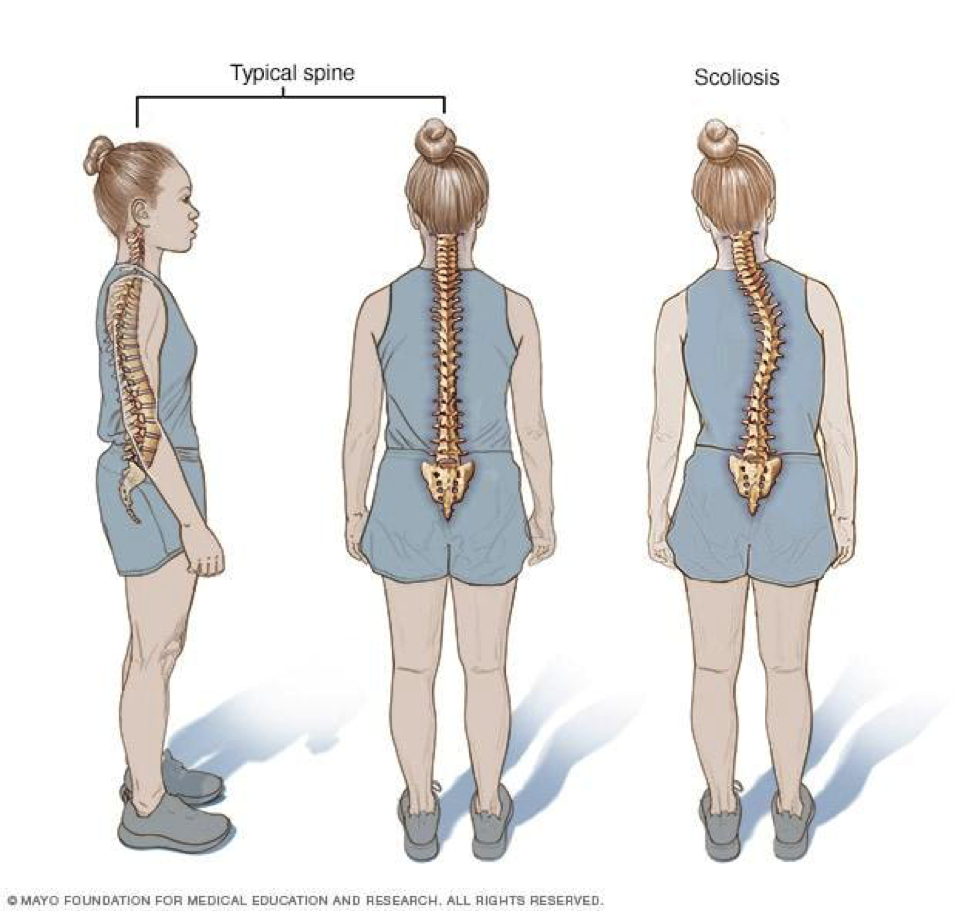
Scoliosis is a condition where the spine curves abnormally, often in an “S” or “C” shape. It can range from mild to severe and may be caused by genetic, neuromuscular, or idiopathic (unknown) factors.
Common Symptoms:
- Uneven shoulders or hips
- Back pain or discomfort
- Muscle imbalance
- Reduced mobility in severe cases
For individuals with scoliosis, maintaining proper posture and spinal alignment is critical—especially during exercise.
What Is a Weighted Vest?
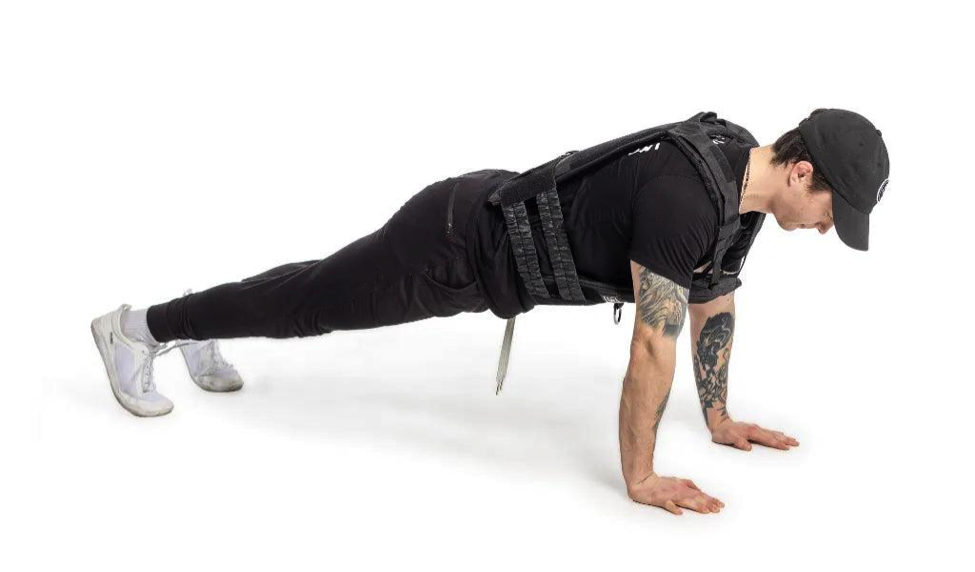
A weighted vest is a wearable fitness accessory designed to add resistance to your body during physical activity. Products from Zelus Fitness and similar brands are commonly used in:
- Strength training
- Walking or running
- Bodyweight exercises (push-ups, squats)
- Rehabilitation programs
By adding extra load, a weighted vest increases workout intensity and can improve muscle strength and endurance.
Can You Wear a Weighted Vest with Scoliosis?
✔ Yes—But With Caution
Wearing a weighted vest with scoliosis can be safe for some individuals, especially those with mild curvature and good core strength. However, it is not universally recommended for everyone.
Key Considerations:
1. Severity of Scoliosis
- Mild scoliosis: May tolerate light resistance with proper guidance
- Moderate to severe scoliosis: Higher risk of imbalance and strain
2. Postural Control
If your posture is already compromised, adding weight may worsen spinal misalignment.
3. Medical Clearance
Always consult a healthcare professional or physiotherapist before introducing external resistance.
Potential Benefits of Using a Weighted Vest
When used correctly, a weighted vest may offer certain benefits:
🔹 Improved Muscle Strength
Additional resistance can strengthen core and back muscles, which support spinal stability.
🔹 Enhanced Bone Density
Weight-bearing exercises can help improve bone health—especially important for long-term spine support.
🔹 Better Workout Efficiency
You can achieve higher intensity workouts without increasing time or complexity.
🔹 Functional Strength Development
Improves real-life movement patterns such as walking, climbing, and lifting.
Potential Risks You Should Not Ignore
While there are benefits, the risks are significant if used improperly:
⚠️ Increased Spinal Compression
Extra weight can place pressure on an already curved spine, leading to discomfort or injury.
⚠️ Muscle Imbalance Worsening
Scoliosis already creates uneven muscle distribution. A vest may amplify this imbalance.
⚠️ Posture Deterioration
If the weight pulls your body out of alignment, it can worsen your posture over time.
⚠️ Pain and Fatigue
Excess load can lead to back pain, especially during prolonged use.
Safety Guidelines for Wearing a Weighted Vest with Scoliosis
If you’re considering using a weighted vest, follow these essential safety tips:
✅ Start Light
Begin with 5–10% of your body weight or less. Never jump into heavy loads.
✅ Focus on Posture
Maintain a neutral spine at all times. Stop immediately if you feel discomfort.
✅ Limit Duration
Use the vest for short sessions (15–30 minutes), especially in the beginning.
✅ Choose the Right Fit
A well-fitted vest distributes weight evenly and reduces strain.
✅ Avoid High-Impact Activities
Skip running or jumping exercises. Stick to low-impact movements like walking.
✅ Work with a Professional
A physiotherapist can guide you on safe exercises tailored to your condition.
Best Exercises to Do with a Weighted Vest (If Approved)
If your doctor gives you the green light, consider these safer options:
- Walking on flat surfaces
- Controlled squats
- Wall sits
- Step-ups
- Light core stabilization exercises
👉 Avoid:
- Running
- Heavy lifting
- Twisting movements
- High-impact cardio
Alternatives to Weighted Vests for Scoliosis
If a weighted vest feels too risky, here are safer alternatives:
🔹 Resistance Bands
Provide controlled tension without compressing the spine.
🔹 Bodyweight Training
Focus on posture, balance, and core strength.
🔹 Physical Therapy Exercises
Targeted movements designed specifically for scoliosis correction.
🔹 Pilates or Yoga
Improves flexibility, alignment, and core stability.
When You Should Avoid a Weighted Vest Completely
Do not use a weighted vest if you:
- Have severe scoliosis
- Experience chronic back pain
- Have spinal instability or recent injury
- Have not consulted a medical professional
In these cases, the risks outweigh the benefits.
Expert Insight
Fitness and medical experts generally agree that individualization is key. There is no one-size-fits-all answer. What works for one person with scoliosis may not be safe for another.
A structured approach—guided by professional advice—is the safest way to integrate resistance training into your routine.
Final Verdict
So, can you wear a weighted vest if you have scoliosis?
👉 Yes, but only under the right conditions.
- Mild scoliosis + proper guidance = possible benefits
- Moderate/severe scoliosis + no supervision = high risk
The priority should always be spinal health, alignment, and safety over intensity.
Conclusion
Weighted vests can be a powerful fitness tool, but for individuals with scoliosis, they must be used with extreme care. Understanding your body, consulting professionals, and following safe practices can make all the difference.
If you’re unsure, start with safer alternatives and gradually progress under supervision. Your spine is not something to experiment with—protect it while you train smarter.
Other Articles You May Find of Interest...
- Relief Strategies for Lower Back Pain While Sitting Down
- Non-Invasive Approaches to Managing Chronic Muscle Tension
- Is Your Thumb Pain a Sign of Arthritis? Discover the Thumb Arthritis Test
- Spondylosis and Spondylolisthesis: Key Differences You Should Know
- Decoding the LHC Medical Abbreviation and Its Significance in Healthcare
- Understanding the Causes and Solutions for Inner Elbow Pain
- The Multi-Disciplinary Approach to Daily Pain Care




