






More Vision & Eye Care Articles
Uncovering the Reasons Behind Broken Blood Vessels in the Eye
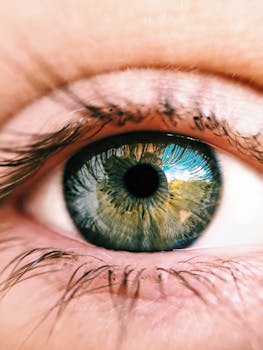
It can be quite concerning to notice a red patch in the white of your eye, but understanding what causes broken blood vessels in the eye can provide some reassurance. These occurrences, known as subconjunctival hemorrhages, are typically harmless and resolve on their own without treatment. Let’s explore the common causes, symptoms, and when you might need to consult a healthcare professional.
Understanding What Causes Broken Blood Vessels in the Eye
Broken blood vessels in the eye occur when small blood vessels beneath the eye’s surface rupture. Although this can look alarming, it is generally painless and does not affect vision. A variety of factors might contribute to this condition, including:
- Trauma: Direct impact or injury to the eye can easily result in a broken vessel due to the delicate nature of these blood vessels.
- Straining: Acts of force, such as heavy lifting, intense coughing, sneezing, or vomiting, can apply pressure to the eyes, leading to a rupture.
- Medications: People taking blood thinners are more susceptible to this condition. Even over-the-counter medications like aspirin may contribute.
- Medical Conditions: High blood pressure or diabetes can also weaken blood vessels over time, increasing the risk of breakage.
- Eye Surgery: Following eye procedures, subconjunctival hemorrhages may occur as part of the natural healing process.
Symptoms of a Broken Blood Vessel in the Eye
When a blood vessel breaks in the eye, you may notice a bright red patch in the white part of the eye. Despite its alarming appearance, it usually does not accompany pain, discharge, or visual changes. However, if you experience other symptoms such as significant discomfort, vision impairment, or persistent redness, it may be wise to consult a healthcare provider.
Diagnosis and Treatment
Most of the time, broken blood vessels in the eye do not require medical treatment and will heal naturally within one to two weeks. However, a healthcare professional can confirm their benign nature. If the hemorrhage results from an underlying condition or repeated occurrences, further examination may be necessary. Maintaining a healthy lifestyle can sometimes help prevent future occurrences by promoting vascular health.
Prevention Tips
Preventing broken blood vessels in the eye involves some straightforward precautions:
- Use protective eyewear during activities that may risk eye injury.
- Manage any chronic health conditions such as high blood pressure or diabetes under a doctor’s care.
- Be mindful of medications and discuss any potential side effects with your doctor.
- Take breaks to rest your eyes from screens and reduce eye strain.
When to Seek Medical Attention
While most cases of broken blood vessels in the eye are minor, you should seek medical attention if you experience any of the following:
- Pain or vision changes accompanying the redness.
- Recurring hemorrhages that may indicate an underlying condition.
- Blood in other parts of the eye, which could signal a more serious issue.
- Hemorrhages that persist beyond two weeks without improvement.
Conclusion: Addressing What Causes Broken Blood Vessels in the Eye
Understanding what causes broken blood vessels in the eye helps reduce unnecessary concern, as they are often benign and self-resolving. Nevertheless, staying informed about prevention and knowing when to seek medical advice can maintain your eye health effectively. Always consult with a healthcare professional for personal medical concerns or if additional symptoms arise. For more details, check a comprehensive overview at Wikipedia’s health entry.
- Broken blood vessels are usually harmless and resolve on their own.
- Common causes include trauma, straining, and certain medications.
- Symptoms include a red patch but usually no pain or vision changes.
- Prevention includes managing chronic conditions and reducing strain.
- Seek medical advice if symptoms persist or worsen.
FAQs
Can stress cause broken blood vessels in the eye?
Stress itself is not a direct cause, but if it leads to actions such as excessive straining (coughing or heavy lifting), it might indirectly contribute to eye vessel rupture.
How long does it take for a broken blood vessel in the eye to heal?
Typically, it takes one to two weeks for the red patch to naturally resolve without treatment.
Should I be concerned about recurrent broken blood vessels?
Recurring instances should be evaluated by a healthcare provider, as they may indicate underlying conditions.
Is there any way to speed up healing of a broken blood vessel in the eye?
While there’s no specific treatment to hasten healing, maintaining eye rest and managing overall health may support recovery.
What are the risk factors for developing broken blood vessels in the eye?
Risk factors include high blood pressure, diabetes, blood-thinning medications, and activities prone to causing eye strain or trauma.
Other Articles You May Find of Interest...
- 7 Signs Your Child Needs a Pediatric Eye Doctor Right Away
- Finding the Best Place for Dry Eye Therapy Treatment in North York
- The First Signs of Pink Eye and What to Do Next
- How to Measure Your Pupillary Distance With a Ruler
- Beyond Cataract Surgery: A Midyear Review of Changing Eye Care
- Ortho-K for Children: What Parents Should Know About Myopia Management
- Eyelashes Growing Every Which Way: Causes and Fixes





