






More Pain Management & Rehabilitation Articles
Healing Time for Fractured Bones: What You Need to Know
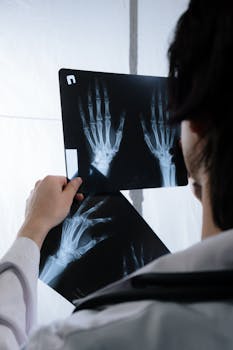
Understanding how long it takes fractured bones to heal is crucial for anyone who has experienced this type of injury. The healing process varies depending on several factors, including the type of fracture, the individual’s age, overall health, and lifestyle choices. Generally, bone healing is a complex process that involves several stages, ensuring that the bone regains its original strength and function.
Understanding the Bone Healing Process
The body initiates the repair process almost immediately after a fracture occurs. This involves a few distinct phases:
- Inflammatory phase: This is the initial response, where the body sends blood to the area to form a clot and begin the healing process.
- Reparative phase: During this stage, the body creates a soft callus made of collagen and cartilage around the fracture, which slowly calcinates into hard bone.
- Remodeling phase: Over time, the newly formed bone is reshaped by the body to restore the bone’s original contour and strength.
How Long Does It Take Fractured Bones to Heal?
The healing timeline for a fractured bone depends on multiple factors. Generally, it can take anywhere from a few weeks to several months. For instance, minor fractures might heal in six to eight weeks, whereas more complex fractures can take longer. Children typically heal faster than adults due to their ongoing growth and higher metabolic rate.
Age, nutrition, and overall health also play a pivotal role in the recovery time. Ensuring a balanced diet, rich in calcium and vitamin D, can support bone health and expedite healing. Additionally, factors such as avoiding smoking and maintaining an active lifestyle can positively influence recovery. For more on how lifestyle choices impact health, consider visiting our related article on how lifestyle choices impact our overall health.
Influencing Factors in Bone Healing
Understanding what affects healing can assist in developing proactive strategies for recovery:
- Type of fracture: Simple, closed fractures heal more quickly than complex, open, or comminuted fractures.
- Location of the fracture: Weight-bearing bones, like the femur, may take longer due to the stress placed on them during daily activities.
- Patient’s age: Younger patients have an accelerated healing process due to their active cell division and metabolism.
- Nutritional status: Adequate intake of calcium, proteins, and vitamins is essential for effective bone healing.
- Lifestyle habits: Smoking and alcohol consumption can impede the healing process.
Rehabilitation and Recovery
Rehabilitation is essential for ensuring a successful return to function. Physical therapy can help restore strength, flexibility, and functionality. It is crucial to follow the healthcare provider’s recommendations and not rush the recovery process to prevent complications.
Modern medical interventions and treatments like bone stimulators and enhanced fixation techniques are also assisting in speeding up the recovery process. However, these should always be discussed and supervised by a healthcare professional.
Nutritional Support for Bone Healing
Nutritional intake is a cornerstone of bone health. Foods rich in calcium, such as dairy products, and those providing vitamin D, like fish oil, can help in bone regeneration. Supplements may also support this process, but it’s essential to consult a healthcare provider before starting any supplementation. The intake of sufficient protein is necessary for collagen synthesis during the reparative phase of bone healing.
For further reading on the impact of diet and lifestyle on bone health, you can explore comprehensive resources like the Health page on Wikipedia.
The Role of Medical Intervention
Medical intervention may be required depending on the complexity of the fracture. This can include immobilization with casts or braces, surgical intervention, or internal fixation with screws or plates. Such decisions are made by medical professionals based on the best practices and individual circumstances.
Regular follow-up appointments are crucial to monitor the healing progression and make necessary adjustments to the recovery plan.
Conclusion
In conclusion, understanding how long it takes fractured bones to heal can be pivotal for recovery planning and setting realistic expectations. Factors such as the fracture type, patient’s age, and lifestyle significantly impact recovery timeframes. Maintaining a healthy lifestyle, following medical advice, and nourishing your body with the right nutrients can support a more efficient healing process.
- Bone healing involves inflammatory, reparative, and remodeling phases.
- Healing times vary based on fracture type and individual health factors.
- A balanced diet and healthy lifestyle can aid in recovery.
- Rehabilitation and medical interventions are vital components of recovery.
- Consulting healthcare providers is crucial for optimal recovery planning.
Frequently Asked Questions
How can I speed up the healing of a fractured bone?
To promote faster healing, maintain a balanced diet rich in calcium and vitamin D, follow medical advice, and avoid smoking or excessive alcohol consumption.
When can I resume physical activities after a fracture?
The timeline depends on the severity of the fracture and individual recovery progress. Consult your healthcare provider for guidance tailored to your specific case.
Are there any long-term impacts of a bone fracture?
While many fractures heal without long-term effects, some may lead to complications such as joint stiffness or arthritis. Follow-up care and physical therapy can help mitigate these risks.
What should I avoid while recovering from a fracture?
Avoid placing unnecessary stress on the injured bone, as well as smoking and alcohol, which can impede healing. Always follow your doctor’s advice regarding activity levels.
Is surgery always needed for bone fractures?
Not all fractures require surgery; treatment depends on the fracture’s severity and location. Your doctor will advise on the best treatment approach for your situation.
Other Articles You May Find of Interest...
- Can Tendons Heal on Their Own? What Recovery Requires
- How Chronic Knee Pain Can Be Treated Without Joint Replacement
- What ‘Gnawing Pain’ Tells Your Doctor
- Why Does Pain Continue After an Injury? When to Consider Seeing a Pain Management Doctor
- Pain Under Your Shoulder Blade: Muscle or Referred?
- What a Fractured Kneecap Looks Like
- Osgood-Schlatter: The Knob Below Your Kneecap




