






More Pain Management & Rehabilitation Articles
What Is the Neers Test and How Can It Help Diagnose Shoulder Injuries?
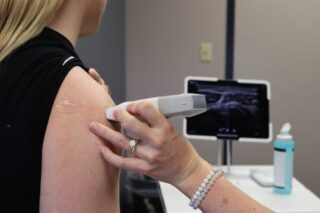
The Neers test is a valuable diagnostic tool used by healthcare practitioners to assess shoulder injuries, particularly those related to impingement syndrome. This test is frequently employed to help identify shoulder pain sources and determine appropriate treatments. Understanding how the Neers test works can offer insight into shoulder health and potential areas of concern.
How Is the Neers Test Performed?
The Neers test is relatively straightforward to perform, requiring only a few steps. Typically conducted by a healthcare professional, the test begins with the patient seated or standing comfortably. The examiner will then position one hand on the shoulder blade for stability and gently lift the patient’s arm forward, keeping it close to the ear. This motion aims to compress the shoulder structures, mimicking daily activities that may elicit discomfort for those with impingement issues.
During the Neers test, the examiner observes the patient’s reaction and listens for symptoms such as pain or discomfort. A positive test, which indicates possible shoulder impingement, is marked by reported pain when the arm is raised fully in front of the body.
Interpreting the Results of a Neers Test
A positive Neers test suggests the presence of shoulder impingement syndrome, where the rotator cuff tendons or the bursa become irritated or compressed. However, it’s important to note that while the Neers test is helpful in identifying potential issues, it should not be used in isolation. A comprehensive clinical assessment, potentially including imaging studies or further orthopedic tests, is crucial for an accurate diagnosis.
Moreover, the Neers test can differentiate between various shoulder conditions. For instance, it may be used alongside other tests to evaluate the possibility of rotator cuff tears or tendinitis, helping to create a more detailed picture of shoulder health.
Common Causes of Shoulder Impingement
Shoulder impingement, often identified through the Neers test, can arise due to various factors. Repetitive overhead activities or prolonged heavy lifting can contribute to this condition. Athletes, particularly those engaged in sports like tennis or swimming, are more susceptible due to the nature of their physical exertion.
Aside from physical activities, age-related degeneration and anatomical variations in the shoulder can also lead to impingement. Recognizing these potential causes can guide the decision-making process for both prevention and treatment.
Understanding Treatment Options
Upon a positive Neers test and thorough evaluation, several treatment options may be considered, ranging from conservative to surgical interventions. Non-invasive treatments often include physical therapy, which focuses on strengthening shoulder muscles and improving range of motion.
Additionally, activity modification and anti-inflammatory medication may help alleviate symptoms. For severe cases, or when conservative approaches prove ineffective, surgical interventions like arthroscopy might be recommended to address the underlying issues directly.
Prevention and Management Strategies
Preventive measures can play a significant role in reducing shoulder impingement risk. Ensuring proper warm-up before engaging in sports or physical activities is crucial. Additionally, maintaining a balanced exercise regimen that emphasizes shoulder strength and flexibility can prevent stress and overuse.
Regularly assessing and adjusting activity levels can also prevent the onset of shoulder conditions. For those interested in a comprehensive approach to health, considering effective weight management strategies can also contribute to overall well-being.
The Importance of Professional Assessment
While the Neers test is a useful tool for assessing shoulder health, a professional evaluation is essential for accurate diagnosis and tailored treatment. Consulting a healthcare provider can ensure comprehensive care, addressing not just symptomatic relief but also underlying causes of shoulder issues.
Conclusion
The Neers test is a vital component in diagnosing shoulder injuries, offering a simple yet effective method for identifying potential impingement issues. Future research and clinical studies may further refine this technique, enhancing its utility in orthopedic assessments. Those experiencing shoulder discomfort or engaged in at-risk activities should consider discussing the possibility of a Neers test with their healthcare provider for a more targeted approach to shoulder health.
For further understanding, you might explore more about shoulder conditions at health resources.
- The Neers test is used to diagnose shoulder impingement.
- A positive test suggests possible tendon or bursa irritation.
- Treatment may range from physical therapy to surgery.
- Prevention involves proper exercise and activity modification.
- Consultation with a healthcare professional is essential for comprehensive care.
FAQs
What does a positive Neers test indicate?
A positive Neers test typically indicates shoulder impingement, suggesting that the rotator cuff tendons or shoulder bursa may be irritated or compressed.
How reliable is the Neers test?
While the Neers test is a valuable diagnostic tool, it should be used as part of a broader evaluation including other tests and imaging for accurate diagnosis.
Can shoulder impingement be treated successfully?
Yes, with appropriate treatment which may include physical therapy, medication, or in some cases, surgery, shoulder impingement can be effectively managed.
Is there any way to prevent shoulder impingement?
Preventing shoulder impingement involves maintaining flexibility and strength, avoiding repetitive overhead activities, and ensuring proper technique during physical activities.
Should I see a doctor for shoulder pain?
Yes, if you experience persistent shoulder pain, it is advisable to see a healthcare provider for a comprehensive assessment and appropriate diagnosis.
Other Articles You May Find of Interest...
- What to Do If You Think You Have a Broken Tailbone
- Closed Reduction With External Fixation: How It Stabilizes a Fracture
- Knee Massager for Muscle Tension Around the Knee What You Need to Know
- What Life Really Looks Like a Year After Spine Surgery
- Gout or Bursitis? Why Joint Swelling Can Look the Same
- Broken Kneecap Recovery: How Long Healing Usually Takes
- The Thumb Grind Test: What Pain During It Can Mean





