






More Allergy, Asthma & Infectious Disease Articles
Relief from Mosquito Bites: The Role of Antihistamines
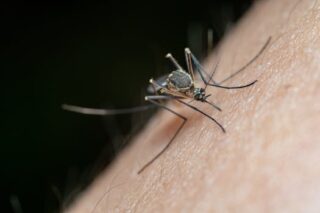
Mosquito bites can be a constant nuisance during warm weather months. While most bites are harmless, they often lead to annoying itching and swelling. The use of an antihistamine for mosquito bites is a common method to relieve these bothersome symptoms. Antihistamines, typically used to combat allergies, can provide effective relief against the redness and itching caused by mosquito bites.
Understanding Antihistamines for Mosquito Bites
Antihistamines work by blocking the effects of histamines, chemicals released by the immune system in response to an allergen or irritant. Though mosquito bites aren’t typically categorized as allergic reactions, they do trigger a histamine response, which causes the familiar itching and swelling. Using an antihistamine for mosquito bites can help control this reaction, providing relief from discomfort.
How Antihistamines Help Relieve Symptoms
When a mosquito bites, it injects saliva into the skin, which leads to a series of immune responses including the release of histamines. This release is what causes the characteristic itchy bump. Antihistamines can help by reducing these histamine levels, thus alleviating itching and swelling in the affected area.
There are two main types of antihistamines available: oral and topical. Oral antihistamines, like diphenhydramine (Benadryl), can work systemically to reduce overall symptoms. Topical antihistamines, such as creams or gels, can be applied directly to the bite, offering localized relief.
Choosing the Right Antihistamine
When deciding on an antihistamine for mosquito bites, it’s essential to choose the one that best suits your needs. Oral antihistamines are beneficial if you have multiple bites or if the itching is widespread. They’re also useful if you have allergies that exacerbate mosquito bite reactions.
Topical treatments might be preferable if the reaction is limited to a small area. These can be directly applied to the bite for targeted relief without affecting the rest of the body. However, individuals should be mindful of the potential for skin irritation with some topical formulations.
Safety and Considerations
While antihistamines can be highly effective, there are a few considerations to keep in mind. Some oral antihistamines can cause drowsiness, so they should be used with caution, especially if you plan to drive or operate heavy machinery. Non-drowsy formulations are available and might be a better option during the day.
Always follow the dosing instructions on the package or those provided by your healthcare provider. If you experience severe allergic reactions or if the symptoms persist, it is important to contact a healthcare professional. For more comprehensive health information, consider consulting reliable sources such as Wikipedia’s Health Overview.
Beyond Antihistamines: Additional Relief Strategies
In addition to using an antihistamine for mosquito bites, there are other strategies you can employ to manage symptoms. Applying a cold compress can help minimize swelling and numb itching. Hydrocortisone cream is another option, as it can reduce inflammation and irritation at the site of the bite.
Prevention is also key to avoid the discomfort of mosquito bites. Wearing protective clothing, using mosquito repellent, and ensuring your home is mosquito-proof can reduce your risk of being bitten. For those interested in nutritional approaches to health, read about the importance of a high-protein diet for weight loss.
In summary, using an antihistamine for mosquito bites can effectively manage and relieve the itching and swelling caused by these insect encounters. Always ensure you choose the appropriate type for your situation and heed any safety advice associated with these medications.
- Antihistamines can reduce itching and swelling from mosquito bites.
- Oral and topical forms are available depending on the severity of symptoms.
- Non-drowsy antihistamines may be preferable for daytime use.
- Always follow dosing instructions and consult a healthcare provider if needed.
- Prevention strategies can further reduce mosquito bite risks.
What are antihistamines?
Antihistamines are medications that block the action of histamines, chemicals in the body that cause allergy symptoms.
Can I use antihistamine for mosquito bites on children?
Yes, but it’s important to use age-appropriate formulations and doses. Consult a pediatrician if you’re unsure about the best approach for your child.
Are there any side effects of antihistamines?
Common side effects include drowsiness, dry mouth, and dizziness. These can differ depending on the specific antihistamine used.
How soon can I expect relief after taking an antihistamine?
Relief usually begins within an hour after taking oral antihistamines, though this can vary depending on the formulation.
Are there natural alternatives to antihistamines for mosquito bites?
Some people use natural remedies like aloe vera or tea tree oil for itching, but their effectiveness varies. These alternatives are being studied for their potential benefits.
Other Articles You May Find of Interest...
- Essential Insights into the Sepsis Bundle for Effective Treatment
- Relief from Mosquito Bites: The Role of Antihistamines
- Effective Strategies for Mycoplasma Pneumoniae Treatment
- Recognizing the Signs of Adult Bronchiolitis Symptoms for Better Health
- Discover the Benefits of At Home Food Allergy Testing for Your Health
- Exploring the Role of Coccobacilli in Human Health
- Unlocking the Benefits of Absolute Risk Reduction for Informed Health Decisions




