More Medical Equipment Articles
Essential Guide to Using a 10 ml Syringe Effectively
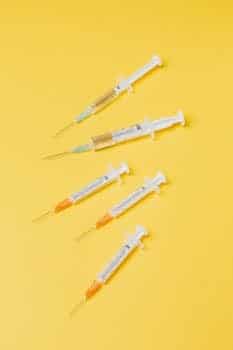
Understanding how to use a 10 ml syringe effectively is essential for various medical, veterinary, and personal care situations. A syringe is a simple piston-pump device used for medical injections, fluid withdrawal, and even cooking. This article provides a comprehensive guide to using a 10 ml syringe, covering its components, usage techniques, and safety precautions.
Components of a 10 ml Syringe
The 10 ml syringe is composed of several parts that each play a crucial role in its functionality. Here’s a look at these components:
- Barrel: The transparent cylindrical tube that holds the liquid.
- Plunger: The piston inside the barrel that draws in or expels liquid.
- Needle: A thin, hollow tube attached to the syringe for injecting or drawing liquids. The size of the needle can vary.
- Hub: The part of the syringe that connects the needle to the barrel.
- Tip: The point of the needle that penetrates the skin or other substances.
Using a 10 ml Syringe
Whether you’re a healthcare professional or a caregiver, knowing how to properly use a 10 ml syringe is crucial. Here are the general steps:
Preparation
Before using a 10 ml syringe, ensure that all components are sterile and intact. Check the expiration date on the syringe packaging.
Filling the Syringe
- Step 1: Clean the vial top with an alcohol swab.
- Step 2: Withdraw the plunger to pull air into the syringe, equal to the dose needed.
- Step 3: Insert the needle into the vial and push the plunger to expel the air, which eases drawing.
- Step 4: Pull back the plunger slowly to fill the syringe with the liquid medicine up to the desired dosage mark.
Administering the Injection
- Step 1: Select the appropriate injection site based on guidance from a healthcare professional.
- Step 2: Clean the skin area with an alcohol pad.
- Step 3: Insert the needle at a 90-degree angle, unless instructed otherwise.
- Step 4: Slowly push the plunger to inject the medicine.
- Step 5: Withdraw the needle and dispose of it in a sharps container.
Safety and Precautions
Safety is paramount when using syringes. Here are a few precautions:
- Avoid needle stick injuries by handling needles carefully.
- Always use a new, sterile syringe and needle for each injection.
- Dispose of needles in approved sharps containers to prevent accidental injury and contamination.
- Consult with a healthcare provider if unsure about administering injections or handling medication.
Applications of a 10 ml Syringe
From medical uses to culinary applications, a 10 ml syringe serves multiple purposes:
- Medical: Used for administering medications, vaccines, and for drawing blood samples.
- Veterinary: Essential in delivering vaccines and medications to animals.
- Culinary: Used by chefs for precise measurements and injecting flavors into dishes.
For more tips on integrating better practices into your routine, explore small steps to a more active lifestyle.
Conclusion
The humble 10 ml syringe is a versatile tool that requires respect and proper handling. Whether for medical use, veterinary practices, or even culinary arts, understanding its parts and the proper technique to use it ensures effective and safe application. The importance of following safety guidelines cannot be overstated, as it protects both the user and the recipient. For further information on similar topics, check the comprehensive resources available here.
- The 10 ml syringe is a key tool in various fields, including healthcare and culinary arts.
- Understanding its components and proper usage techniques is crucial.
- Always prioritize safety by using sterile equipment and proper disposal methods.
- Consult healthcare professionals for personalized guidance on syringes.
FAQ
What is a 10 ml syringe used for?
A 10 ml syringe is commonly used in medical settings to administer medication, draw blood, and inject fluids. It is also used in veterinary and culinary fields.
How do you measure the dose in a 10 ml syringe?
The syringe is marked with incremental lines, indicating volume. The correct dose is drawn to the line that matches the required amount.
Can a 10 ml syringe be reused?
No, syringes should not be reused as it poses significant risks of contamination and infection. Always use new, sterile syringes.
How do you properly dispose of a syringes?
Dispose of used syringes in a designated sharps container to prevent injuries and maintain safe environments.
What should I do if I accidentally stick myself with a used needle?
Immediately clean the area with soap and water and seek medical advice to assess any potential risks or necessary follow-up actions.
Other Articles You May Find of Interest...
- 5 Medical Suppliers in Edmonton and What They Offer
- Using an Acapella Device to Clear Your Lungs
- A Maintenance Checklist for Extending the Life of Your Stryker Stretcher
- How to Evaluate Fractional CO2 Laser Equipment Manufacturers in China
- Photobiomodulation: How PBM Light Therapy Works and What Device Buyers Should Know
- The Sustainability Impacts of Single Use & Reusable Products
- Essential Insights on Trigger Finger Medical Devices for Better Hand Function