






More Weight Control, Nutrition & Exercise Articles
Decoding Food Labels for Healthier Choices
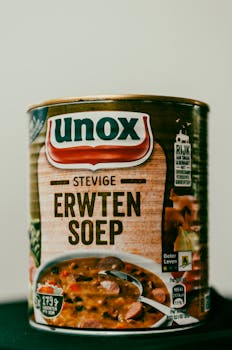
In today’s fast-paced world, understanding food labels has become more crucial than ever to make healthier choices. For many, the food labels decoded project offers the knowledge needed to navigate what’s in our food, allowing us to select options that support a balanced diet and well-being. When you look at a food package, you’re faced with a plethora of information, from calories and fat content to vitamins and ingredients. But what does it really mean?
The Food Labels Decoded Project: Understanding the Basics
Deciphering food labels begins with understanding the layout and components of the Nutrition Facts label. The top section provides information on serving size and servings per container, which are fundamental for understanding the other data presented. It’s key to remember that if you consume more than the serving size, you must adjust calorie and nutrient intake accordingly.
The middle section of the label lists key nutrients. This includes total fat, cholesterol, sodium, carbohydrates, and protein. Each of these components is shown in grams and as a percentage of daily value. These percentages help consumers understand how much of a nutrient contributes to a daily diet based on a 2,000-calorie reference.
Key Nutrients and Their Impact
Understanding the impact of key nutrients is essential for making informed dietary decisions. Here’s a closer look at some of the most impactful components listed on food labels.
Fats
Fats are a necessary component of a healthy diet, but not all fats are created equal. Saturated and trans fats should be limited, as they can contribute to heart disease. By contrast, unsaturated fats, found in foods such as avocados and nuts, may support overall heart health. To navigate fat content effectively, it is important to recognize that a food with 5% or less of the daily value of fat is considered low, while a food with 20% or more is high.
Sodium
Sodium is another area where balance is essential. High sodium intake can lead to elevated blood pressure, increasing the risk of heart disease. The recommended daily limit is less than 2,300 milligrams, but many processed foods contain hidden sodium, making it vital to read labels carefully. The food labels decoded project emphasizes minimizing sodium where possible while emphasizing fresh, whole-food options.
Ingredients List: What to Look For
The ingredients list is a critical part of understanding what is in your food. Ingredients are listed in order from the most to the least by weight. A shorter ingredient list with recognizable items is often better, as this indicates less processing and fewer additives. Watch for added sugars, preservatives, and artificial colors which can impact both health and nutrition quality.
Added Sugars
According to dietary guidelines, added sugars should make up no more than 10% of your daily calories. They add calories without contributing essential nutrients. By identifying the many names for sugar—such as high fructose corn syrup, cane juice, and fructose—you can better manage sugar intake. Foods and beverages that contain little or no added sugars are healthier choices.
For more on the nutritional components crucial for a balanced diet, explore our article on the importance of a high protein diet. This knowledge can complement your understanding of food labels and contribute to healthier meal planning.
Exploring Claims and Certifications
Labels often include claims like “low fat,” “high fiber,” or “organic.” Understanding these claims can further the goals of the food labels decoded project by helping consumers make choices that align with personal health goals.
Nutrient Content Claims
Claims such as “low fat” mean a product contains 3 grams of fat or less per serving, while “high fiber” means at least 5 grams of fiber per serving. Knowing these definitions can influence choices, especially if you’re managing specific dietary needs such as cholesterol or fiber intake.
Organic and Non-GMO
The organic label indicates the food was produced without synthetic fertilizers, sewage sludge, irradiation, and genetic engineering. Similarly, non-GMO labels indicate ingredients were not derived from genetically modified organisms. While these labels can guide decisions, balance and variety remain important for nutrition.
With proper knowledge, you can learn more about how different nutrients and certifications fit into a comprehensive health plan. For general health information, you might find resources like this Wikipedia article on health beneficial.
In conclusion, understanding food labels can empower you to make healthier, more informed choices as part of the food labels decoded project. By taking a closer look at the nutrients, ingredients, and labels’ claims, you can support your overall wellness and dietary goals.
Takeaways
- Focusing on serving sizes can keep calorie and nutrient intake in check.
- Identifying key nutrients like fats and sodium is crucial for heart health.
- Ingredients are listed by quantity, from highest to lowest.
- Added sugars should be limited within a balanced diet.
- Claims and certifications provide additional guidance for selecting food.
FAQs
How can I tell if a product is truly healthy from its label?
Look for foods with low saturated fats, trans fats, and sodium, and check the fiber and nutrient content. Aim for a short ingredient list with recognizable items.
What does “percent daily value” mean on a nutrition label?
The percent daily value indicates how much a nutrient in a serving of food contributes to a daily diet, based on a 2,000-calorie diet.
Are all fats bad for you?
No, unsaturated fats are beneficial and support heart health, whereas saturated and trans fats should be limited.
How can understanding food labels help with specific dietary needs?
By analyzing nutrient content and serving sizes, individuals can manage their intake of calories, fats, sugars, and other components relevant to their dietary goals.
Why is the order of ingredients important?
Ingredients are listed by weight, from most to least, so the order indicates the main components of the food. Shorter, more recognizable lists suggest less processing.
Other Articles You May Find of Interest...
- Delicious and Nutritious: Exploring the Macros of ABP Sugar Cookies
- Does Lexapro Cause Weight Gain? Exploring the Connection
- Achieving and Maintaining Your Ideal Weight with Zepbound: What You Need to Know
- Low RDW SD: What It Means for Your Health
- How to Stay Focused on Your Weight Loss Goals
- How We Use Labwork and Body Composition Scans to Guide Medical Weight Loss
- Healthy Eating Made Effortless




