






More Chronic Illness Articles
What Is the Right Oxygen Dose for Managing COPD?
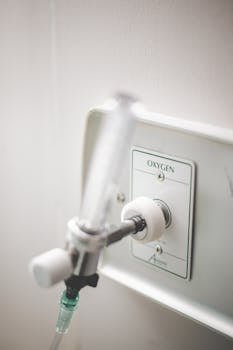
Chronic Obstructive Pulmonary Disease (COPD) is a persistent lung disorder that often requires careful management to improve quality of life. One of the key elements in managing COPD is determining the right oxygen dose for COPD patients. Oxygen therapy helps alleviate symptoms and improve overall lung function, but finding the appropriate dose is crucial to its effectiveness. Understanding how oxygen therapy works and how it can be tailored to meet individual needs is vital for those living with COPD.
Oxygen Dose for COPD: Understanding the Basics
Oxygen therapy for COPD generally involves supplemental oxygen from a device such as a concentrator or a portable tank. The primary goal is to maintain adequate oxygen levels in the blood, which is essential for maintaining energy levels and organ function. Determining the correct oxygen dose for COPD requires careful assessment by healthcare providers, taking into account various factors like the severity of the disease, the patient’s activity level, and existing comorbidities.
Factors Influencing Oxygen Therapy
The right oxygen dose for COPD is influenced by several factors. Healthcare professionals often perform tests such as arterial blood gas analysis or pulse oximetry to establish baseline oxygen levels. These tests help determine how much supplemental oxygen is needed and ensure it’s neither too much nor too little.
Another important consideration is the patient’s activity level. Individuals who are more active may require higher doses during exercise, while a lower dose might suffice during rest. Lifestyle factors, including diet and exercise, play a significant role in a patient’s oxygen needs. Consider reading more about how metabolic health impacts overall well-being in our comprehensive article about metabolic health.
Benefits and Considerations of Oxygen Therapy
Oxygen therapy offers numerous benefits for those with COPD. It can reduce the workload on the heart and help patients feel more energetic and less breathless. However, it’s crucial to follow a healthcare provider’s instructions to avoid potential complications such as oxygen toxicity or damage to lung tissue arising from excessively high doses.
Patients and caregivers should also be aware of the devices they are using. Proper maintenance and routine checks can prevent malfunctions and ensure that the prescribed dose remains effective. Devices should be checked regularly for any signs of wear or damage, and service providers should be consulted for repairs or replacements.
Setting and Monitoring Your Oxygen Dose for COPD
The recommended oxygen dose is often personalized based on continuous monitoring and adjustments. Making regular visits to healthcare providers is essential to reassess oxygen needs, especially as the condition progresses or as symptoms fluctuate. Technological advancements now allow for portable pulse oximeters, which patients can use at home for simplified monitoring.
Caring for someone with COPD can be a complex task requiring patience and proper knowledge. Education about proper device use, understanding symptoms, and having an action plan can make the management of COPD more effective and can improve the overall effectiveness of oxygen therapy.
Frequently Asked Questions
What is the role of oxygen therapy in COPD?
Oxygen therapy in COPD maintains adequate oxygen levels in the blood, reducing symptoms and improving overall quality of life. It helps manage breathlessness and energy levels, particularly during physical activity.
How is the right oxygen dose determined for COPD patients?
Health providers assess oxygen levels using tests such as arterial blood gases and pulse oximetry. Based on these results and factors like activity levels and disease severity, the proper dosage is determined for each individual.
Can oxygen therapy be harmful?
While beneficial, oxygen therapy can be harmful if not used as prescribed. Overuse can lead to oxygen toxicity and other complications. It’s essential to follow medical advice and have regular check-ups to adjust the dose as necessary.
Is it possible for exercise routines to alter oxygen needs?
Yes, exercise routines can affect oxygen requirements. Individuals who engage in physical activities may need higher oxygen levels during exercise. It’s important to consult with healthcare providers to adjust doses accordingly.
Can lifestyle factors influence oxygen therapy needs?
Lifestyle factors, including diet and physical activity, can impact oxygen therapy needs. Maintaining good metabolic health is crucial, as it can affect overall well-being and oxygen requirements. You can learn more about this in our article on metabolic health maintenance.
- Oxygen therapy plays a crucial role in managing COPD symptoms.
- The correct dose must be tailored individually, considering activity level and health status.
- Regular monitoring and consultation with healthcare providers ensure effective management.
- Overuse of oxygen can lead to complications; adhere strictly to prescribed doses.
- Lifestyle choices such as diet and exercise may influence oxygen therapy needs.
Understanding the right oxygen dose for COPD is essential for effective management of the disease. With the right support and regular consultations with healthcare professionals, individuals living with COPD can lead a more comfortable life. For more detailed information on general health topics, you can visit the Wikipedia page on health.
Other Articles You May Find of Interest...
- Why Dialysis Access Care Is an Important Part of Kidney Treatment
- ITP vs. TTP: Two Platelet Disorders, Opposite Urgency
- The Beighton Score: Measuring How Flexible Is Too Flexible
- Treating IgG4-Related Disease Before It Scars
- An Autoimmune Symptom Checklist to Bring to Your Doctor
- Digital Tools Helping Chronic Disease Patients Stay on Track Between Visits
- NuvaRing and Its Potential Male Side Effects: What You Need to Know




