






More Pain Management & Rehabilitation Articles
What Are Endplate Osteophytes and How Do They Affect Your Spine?
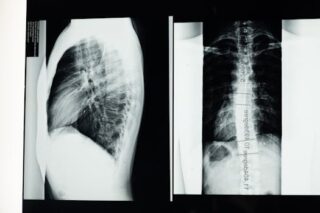
Endplate osteophytes, often known as bone spurs, are small bony projections that develop along the edges of the vertebrae in the spine. These growths occur as a natural part of the aging process, primarily due to the degeneration of the intervertebral discs. While they can be a common finding in imaging studies, understanding their role and impact on spinal health is essential for managing symptoms and maintaining a good quality of life. This article delves into what endplate osteophytes are, explores their effects on the spine, and discusses potential management strategies.
What Are Endplate Osteophytes?
Endplate osteophytes are bony growths that form along the vertebrae’s endplates. The endplates are the areas where the vertebrae contact the intervertebral discs, cushioning the bones during movement. Over time, wear and tear or degenerative changes can lead to the formation of osteophytes as the body’s response to stabilize the spine.
These osteophytes are part of a process known as spondylosis, which refers to age-related changes in the spine. Though commonly associated with aging, they can also arise from spinal conditions such as osteoarthritis or traumatic injuries.
How Do Endplate Osteophytes Affect the Spine?
While endplate osteophytes themselves are not typically painful, they can contribute to certain symptoms if they impinge on nearby nerves or the spinal cord. This impingement can lead to nerve-related symptoms such as pain, numbness, or tingling in the extremities. Additionally, the presence of osteophytes can reduce the spine’s range of motion or contribute to conditions like spinal stenosis, where the spinal canal narrows and compresses the nerves.
In some cases, osteophytes may cause a mechanical obstruction, affecting posture and mobility. However, it’s essential to note that not everyone with osteophytes will experience symptoms, and their presence often goes unnoticed without imaging studies.
Identifying and Diagnosing Endplate Osteophytes
Endplate osteophytes are typically identified through imaging studies such as X-rays, CT scans, or MRIs. These scans can provide a clear picture of the spine’s structure and reveal the presence of any osteophytes. Diagnosis often occurs when investigating other spinal conditions or symptoms. For accurate assessment, healthcare professionals consider a patient’s history, symptoms, and physical examination findings alongside imaging results.
Managing Symptoms Caused by Endplate Osteophytes
While endplate osteophytes cannot be removed without surgery, many symptoms can be managed through non-surgical approaches. Common strategies include physical therapy, medications for pain relief, and lifestyle modifications to reduce stress on the spine. Exercise programs focusing on strengthening the muscles supporting the spine may also prove beneficial. Additionally, maintaining a healthy weight can alleviate pressure and improve spinal health, as discussed in this study on weight control and exercise options.
Surgical Options for Severe Cases
In cases where endplate osteophytes significantly impact quality of life or lead to severe nerve compression, surgical options may be considered. Procedures may involve removing the osteophytes or relieving pressure on the affected nerves, yet surgery is often seen as a last resort after non-surgical methods have been exhausted.
Preventive Measures and Lifestyle Modifications
Preventive measures play a crucial role in managing the long-term impact of endplate osteophytes. Regular exercise, a balanced diet, and avoiding smoking are beneficial strategies. Ensuring good posture, especially during activities that stress the spine, can also help. Regular check-ups with healthcare providers can help monitor spinal health and address potential issues early on.
Final Thoughts on Endplate Osteophytes
Though endplate osteophytes may be part of the natural aging process, understanding their impact on spinal health is vital. By being aware of potential symptoms and management strategies, individuals can take proactive steps to maintain mobility and comfort. For more detailed information on spinal health and related topics, consider visiting the Wikipedia page on health. It is essential to remember that while these strategies can help, consulting with a healthcare professional for personalized advice is always recommended for optimal outcomes.
- Endplate osteophytes are bony growths in the spine.
- They may cause nerve-related symptoms if they impinge on nerves.
- Non-surgical management includes exercise and pain medications.
- Maintaining a healthy weight can alleviate spine pressure.
- Consulting healthcare providers for tailored advice is essential.
What causes endplate osteophytes to form?
Endplate osteophytes can form due to aging, wear and tear on the spine, or as a result of conditions like osteoarthritis or spine injuries.
Are endplate osteophytes always painful?
No, endplate osteophytes are not always painful. They may not cause symptoms unless they impinge on the nerves or spinal cord.
How are endplate osteophytes diagnosed?
They are usually diagnosed through imaging studies such as X-rays, CT scans, or MRIs, often when investigating other spinal conditions.
Can endplate osteophytes be prevented?
While they result from natural aging, maintaining a healthy lifestyle with regular exercise and good posture can help manage their impact.
When is surgery considered for endplate osteophytes?
Surgery may be considered as a last resort in severe cases where non-surgical methods fail and quality of life is significantly affected.
Other Articles You May Find of Interest...
- Recognizing the Key Signs of a Fractured Knee
- Are You Experiencing Fractured Knee Symptoms? Here’s What to Look For
- Why Neck Stiffness and Neck Pain May Happen Together
- Understanding Myositis After Flu: Causes, Symptoms, and Recovery Time
- What Are the Causes of a Knot on Your Shin Bone?
- Hydrocodone Acetaminophen 5-325 Dosage Explained for Safe Use
- Hydrocodone Acetaminophen 10 325 Español: Información Esencial y Usos Comunes



