






More Gastroenterology Articles
Discover the Impact of Your Diet: Foods That Can Lead to Protein in Urine
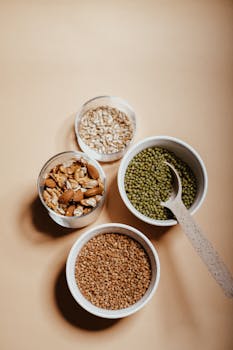
Understanding your diet’s impact on overall health is crucial, particularly when it comes to managing kidney function and protein levels in your urine. Foods that cause protein in urine may contribute to health issues that warrant attention. This article explores how dietary choices can affect proteinuria, a condition characterized by excess protein in urine, and offers insights into maintaining a balanced diet for optimal kidney health.
Foods That Cause Protein in Urine
Certain foods and drinks can potentially influence the level of protein in your urine by affecting kidney function. High-sodium and high-protein diets, as well as the consumption of processed foods, may contribute to increased protein levels in the urine. This section will delve into specific dietary elements that may exacerbate proteinuria and offer guidance on making healthier nutritional choices.
High-Sodium Foods
Excessive salt intake can increase the workload on your kidneys. Foods rich in sodium, such as processed snacks, canned soups, and fast foods, may cause the kidneys to filter less effectively, leading to protein leakage into the urine.
High-Protein Diets
While proteins are essential for body function, consuming too much protein can strain the kidneys, especially for those with pre-existing kidney conditions. Red meats, whole dairy products, and protein supplements can contribute to proteinuria if not moderated.
Processed Foods
Processed foods often contain preservatives, artificial additives, and high levels of sodium, which can negatively impact kidney function. These foods can exacerbate conditions that lead to increased protein in the urine.
Sugary Beverages
Sugar-laden drinks like sodas and energy drinks can also affect kidney health. High sugar content may contribute to metabolic disturbances that impact kidney function and protein filtration.
Understanding Proteinuria and Its Causes
Proteinuria occurs when there is an abnormal amount of protein in the urine, often indicating issues with kidney function. It can be a sign of chronic kidney disease, diabetes, or high blood pressure. Understanding the dietary triggers and managing them is crucial for maintaining kidney health and preventing further complications.
There are various reasons for proteinuria, including dietary habits, certain medications, and underlying health conditions. For more in-depth information on high-protein diets and their benefits and risks, you can read our article on the importance of a high-protein diet for weight loss.
Natural Foods for Kidney Health
Incorporating natural foods into your diet can support kidney health and help manage protein levels. Fresh fruits, vegetables, whole grains, and lean proteins are typically lower in sodium and additives compared to processed foods, making them beneficial for kidney function.
Hydration and Kidney Function
Adequate hydration is vital for kidney health as it supports efficient waste filtration and prevents protein buildup in urine. Drinking enough water throughout the day ensures the kidneys can function properly.
Consulting Healthcare Professionals
While dietary changes can aid in managing proteinuria, consulting with a healthcare provider is essential for personalized advice. Professionals can offer tailored dietary recommendations and diagnose any underlying conditions contributing to proteinuria.
For additional, credible information, consider resources like the Wikipedia page on health to further understand how diet influences overall well-being.
Dietary choices play a significant role in maintaining kidney health. Foods that cause protein in urine should be managed carefully to prevent exacerbating proteinuria. With proper nutrition and professional guidance, you can support your kidneys and overall health effectively.
- Eating whole foods can help manage protein levels in urine.
- High-sodium, high-protein, and processed foods may contribute to proteinuria.
- Adequate hydration supports efficient kidney function.
- Consulting healthcare professionals offers personalized dietary guidance.
- Maintaining a balanced diet is crucial for kidney health.
What are the symptoms of proteinuria?
Proteinuria symptoms can be subtle or nonexistent, but common signs include foamy urine, swelling in the hands, feet, or face, and fatigue due to loss of protein.
Can dietary changes reduce protein in urine?
Yes, dietary changes such as reducing salt intake, moderating protein consumption, and avoiding processed foods can help lower protein levels in urine. However, it’s important to work with a healthcare provider for personalized advice.
How much water should I drink for healthy kidneys?
It is generally recommended to drink eight 8-ounce glasses of water a day, but individual needs vary based on activity level, climate, and health conditions. Staying hydrated supports kidney health.
Are there foods to avoid with kidney disease?
Individuals with kidney disease should limit foods high in sodium, potassium, and phosphorus. Consulting a healthcare provider or dietitian can provide specific dietary guidance for managing kidney disease.
Where can I learn more about proteinuria and related conditions?
Resources like the National Kidney Foundation provide detailed information on proteinuria and kidney health. Visiting reputable sites and consulting healthcare professionals is recommended for comprehensive understanding.
Other Articles You May Find of Interest...
- Why You Get Stomach Bloating and Gas After Eating Meat
- Why Does Chick-fil-A Make My Stomach Hurt?
- Dr. Omar Marar on the Evolution of Modern Colorectal Surgery
- Pain Where Your Appendix Was Removed Years Ago: Possible Causes
- Why Multi-Strain Probiotics May Offer Broader Digestive Support
- What a Healthy Colon Looks Like During Colonoscopy
- A Better Digestive Rhythm: Everyday Habits for Preventing Occasional Constipation





