More Gastroenterology Articles
How Is Appendicitis Detected on Ultrasound?
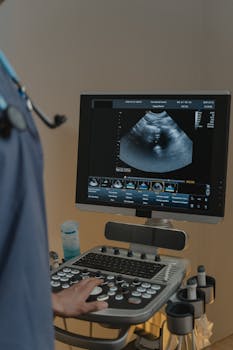
Imagine experiencing a persistent pain in your abdomen that intensifies over several hours. You might wonder if it’s merely indigestion or something more serious like appendicitis. Appendicitis is a condition that requires prompt attention, and getting the right diagnostic test, such as an ultrasound (USG), is crucial. Understanding how appendicitis is detected on ultrasound can help guide you to appropriate care.
Understanding Appendicitis USG
An ultrasound is a non-invasive imaging test commonly used to evaluate suspected appendicitis. This method uses sound waves to create images of the inside of your body, enabling healthcare providers to look for signs of an inflamed appendix. Unlike other imaging techniques like CT scans, ultrasounds do not expose patients to radiation, making them a preferred first step, especially for children and pregnant women. During the ultrasound, the technician will usually focus on the right lower side of the abdomen, where the appendix is located, looking for signs such as enlargement or fluid accumulation that may indicate appendicitis.
Symptoms and Everyday Impact
Appendicitis can disrupt daily life significantly. The main symptom is abdominal pain, starting near the belly button and potentially moving to the lower right abdomen. Bending over, coughing, or sudden movements can exacerbate the pain. Nausea, vomiting, and a low-grade fever might accompany the discomfort, making routine activities challenging and uncomfortable. Changes in appetite or bowel habits might also be noticed, further affecting daily routines.
When to Seek Care
If you experience severe abdominal pain that worsens over several hours, it’s essential to seek medical attention promptly. Fever, vomiting, and loss of appetite are also signals that should not be ignored. A primary care doctor or a gastroenterologist can begin the evaluation process and, if necessary, order an ultrasound to explore the possibility of appendicitis. It is crucial to act quickly, as an untreated appendicitis can lead to a ruptured appendix, a life-threatening situation.
Real-World Questions About Appendicitis Detection
Many people wonder how long they should wait before seeking an ultrasound if they suspect appendicitis. Ideally, as soon as persistent and intense abdominal pain is noted, a healthcare provider should be contacted. The ultrasound is a valuable tool for confirming appendicitis, especially since symptoms can overlap with other conditions like urinary tract infections or digestive issues. Some individuals may experience a sudden relief from pain—a dangerous sign indicating a possible perforation of the appendix, which necessitates immediate medical attention.
It’s also important to discuss with your doctor if additional imaging tests may be necessary. In some cases, a CT scan might be recommended if the ultrasound findings are inconclusive. Each diagnostic test serves a purpose, and your healthcare provider can help determine the most appropriate path based on your symptoms and medical history.
Additional Information and Resources
For more details on recognizing symptoms that might warrant a diagnostic test for appendicitis, visit the Mayo Clinic’s comprehensive appendicitis overview page. Moreover, understanding the symptoms of other gastrointestinal conditions can be beneficial. For instance, read about recognizing hemochromatosis symptoms that might confuse similar diagnostic explorations.
- Ultrasound is a non-invasive test to detect appendicitis.
- Sustained abdominal pain is a key symptom to watch.
- Seek immediate care for severe or worsening symptoms.
- Ultrasounds are radiation-free, making them safe for everyone.
- Diagnosis may require additional imaging tests.
Common Questions
When should I see a doctor for abdominal pain?
If you experience severe, persistent pain that moves to the lower right abdomen, especially if it doesn’t improve or is accompanied by fever and vomiting, consult a healthcare provider immediately.
Which type of provider can diagnose appendicitis?
Generally, a primary care physician or a gastroenterologist will evaluate your symptoms and may order diagnostic tests like an ultrasound to confirm appendicitis.
Can appendicitis be self-diagnosed or treated at home?
No, appendicitis requires professional diagnosis and treatment. Delaying medical care can lead to serious complications, including a ruptured appendix.
How does appendicitis on ultrasound differ from other conditions?
An ultrasound may reveal an enlarged, inflamed appendix or free fluid in the abdomen, helping differentiate appendicitis from conditions like gastrointestinal infections or kidney stones.
What preparation is needed before an appendicitis USG?
Typically, minimal preparation is required, but fasting for a few hours might be suggested to ensure clear images. Your healthcare provider will provide specific instructions.
Other Articles You May Find of Interest...
- Why You Get Stomach Bloating and Gas After Eating Meat
- Why Does Chick-fil-A Make My Stomach Hurt?
- Dr. Omar Marar on the Evolution of Modern Colorectal Surgery
- Pain Where Your Appendix Was Removed Years Ago: Possible Causes
- Why Multi-Strain Probiotics May Offer Broader Digestive Support
- What a Healthy Colon Looks Like During Colonoscopy
- A Better Digestive Rhythm: Everyday Habits for Preventing Occasional Constipation