






More Vascular Health Articles
What Is Schamberg’s Disease and How Can You Manage Its Symptoms?
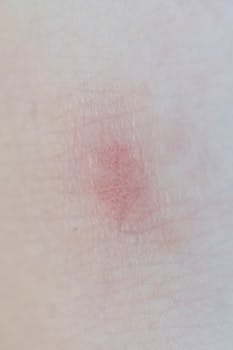
Schamberg’s disease is a relatively rare but benign skin condition distinguished by visible discolorations and pigmentation changes on the skin, often on the legs. This condition draws its name from Dr. Jay Frank Schamberg, who first described it. Many individuals with schamberg’s disease experience a harmless but chronic recurring pattern characterized by the rust-colored spots on their skin. Though not painful, understanding and managing its symptoms can significantly enhance quality of life.
Understanding Schamberg’s Disease
Schamberg’s disease, also known as progressive pigmented purpura, primarily affects the skin’s capillaries, leading to extravasation of blood cells. This leakage results in red, brown, or orange stains on the skin that resemble cayenne pepper sprinkles. These patches are usually painless and itch-free, although some people may experience mild itching or burning sensations.
While the precise cause of Schamberg disease remains unclear, it is not considered contagious or hereditary. Many professionals believe that environmental factors, lifestyle, or an individual’s own immune response may contribute to its development.
Symptoms and Diagnosis of Schamberg Disease
Characteristically, the symptoms of Schamberg disease are as visible as they are bothersome for some. The most common manifestation includes clusters of pinpoint, rust-colored spots, aptly described as ‘cayenne pepper spots’. These spots typically appear on the lower legs but may also be found on other parts of the body.
Dermatologists typically diagnose Schamberg’s disease through a physical examination and sometimes a skin biopsy to rule out other conditions such as vasculitis. It’s essential for patients to seek professional evaluation to ensure accurate diagnosis and address any related concerns.
For those interested in further skin condition insights, this article on recognizing hemochromatosis symptoms might also be of interest.
Managing and Treating Schamberg’s Disease
While there is no definitive cure for schamberg’s disease, various management strategies can help alleviate symptoms and prevent progression. Here’s an overview of some effective approaches:
- Moisturize regularly: Keeping the skin hydrated can reduce potential itchiness and maintain overall skin health.
- Wear compression stockings: For those experiencing severe cases or associated leg swelling, compression stockings can improve circulation and minimize symptom severity.
- Avoid prolonged standing: Reducing time standing can help decrease the pooling of blood in the legs, which might exacerbate discoloration.
- Topical treatments: Some patients find relief using topical steroids or emollients, although these do not treat the underlying condition.
Though many topical and lifestyle interventions support symptom management, individuals should consult their healthcare provider to determine the best approach for them.
Potential Triggers and Lifestyle Considerations
Although the direct cause of schamberg’s disease remains unknown, certain factors can potentially trigger or exacerbate symptoms:
- Dietary habits: Emphasis on a balanced diet rich in antioxidants may support better skin health.
- Avoidance of allergens: Identifying and avoiding potential allergens may help control flare-ups.
- Regular exercise: Encouraging circulation through regular physical activity can be beneficial, though avoiding high-impact sports is often recommended.
- Stress management: High stress levels can negatively affect the immune system, possibly influencing skin conditions.
These lifestyle changes can play a crucial role in minimizing the occurrence and severity of schamberg’s disease spots.
Final Thoughts on Schamberg’s Disease
Schamberg’s disease, while primarily a cosmetic concern, can lead to distress for those affected. Introducing preventive measures and lifestyle changes may offer relief. Managing the condition involves understanding symptoms, knowing when to seek professional help, and making informed lifestyle choices. For comprehensive information, refer to reliable resources such as this Wikipedia article.
Takeaways
- Schamberg’s disease is a benign skin condition resulting in discoloration.
- Diagnosis involves physical examination and may include a skin biopsy.
- Managing symptoms focuses on hydration, compression, and avoiding triggers.
- Lifestyle adjustments like diet and stress management can aid in managing symptoms.
- Professional consultation is recommended for personalized care plans.
FAQ
What causes Schamberg’s disease?
The exact cause of Schamberg’s disease is unknown, but it may be linked to environmental factors, lifestyle, and the individual’s immune response.
Is Schamberg’s disease contagious?
No, Schamberg’s disease is not contagious and cannot be spread from person to person.
Can Schamberg’s disease be cured?
There is no definitive cure for Schamberg’s disease; however, various treatments can help manage symptoms and improve skin appearance.
What are common symptoms to watch for?
Common symptoms include rust-colored spots on the skin, primarily on the legs, which can sometimes cause mild itching.
Should I see a doctor for Schamberg’s disease?
Yes, consulting a healthcare provider is advisable for an accurate diagnosis and to discuss potential management options.
Other Articles You May Find of Interest...
- Is Your Hip Health at Risk? Discover the Trendelenburg Test Insights
- Exploring the Benefits and Risks of PFA Ablation for Heart Health
- What Is Pulsating Pressure and How Can It Affect Your Health?
- Platelet Clumping: What Does It Mean for Your Health?
- Essential Insights on Permacath: A Lifeline for Patients Needing Long-Term Access
- Exploring the Health Implications of Cobblestoning in Medical Diagnosis
- Unlocking the Secrets of LDL-P: What It Means for Your Heart Health



