






More Dental Health Articles
Exploring the Importance of the Retromolar Trigone in Oral Health
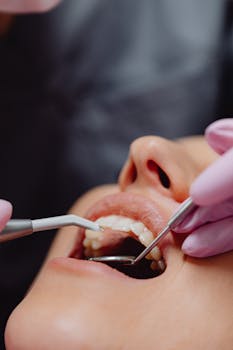
The retromolar trigone is a small, yet critical area situated in the back of the mouth. Located behind the last molar on each side of the jaw, the retromolar trigone plays a significant role in oral health due to its close proximity to vital structures such as the jawbone, muscles used for chewing, and numerous nerves. Understanding its importance is crucial for maintaining oral health and addressing potential health concerns.
The Anatomy and Function of the Retromolar Trigone
The retromolar trigone is a wedge-shaped space that forms part of the oral cavity. Its strategic location makes it integral to various functions, including the movements necessary for speech and chewing. It’s bordered by the gum line and extends into the soft tissues of the mouth. Despite its small size, any changes in this area can significantly impact oral functionality.
Because the retromolar trigone is close to the jaw and the muscles used in mastication, inflammation, or infection in this area can lead to discomfort and difficulty in performing basic oral functions. Detecting complications early requires an understanding of its anatomy and symptoms that may arise.
Common Issues Associated with the Retromolar Trigone
The retromolar trigone can be affected by a variety of oral health issues. These include infections, abscesses, and tumors. Due to its key location, problems here may initially present as discomfort in adjoining structures like the throat or jaw, prompting a delayed diagnosis.
Tumors, potentially malignant, can develop in this region, necessitating regular dental check-ups to ensure any growth is detected early. These conditions illustrate the importance of maintaining thorough oral examinations as part of routine dental care.
Symptoms to Watch For
Any unusual sensations in the retromolar trigone — such as swelling, pain, or persistent ulcers — should be examined by a healthcare professional promptly. Such symptoms can be indicative of underlying issues like infections or more serious conditions.
Prevention and Management
Maintaining good oral hygiene is vital in preventing conditions affecting the retromolar trigone. Regular brushing and flossing, complemented by professional dental cleanings, help minimize the risk of infections. If issues arise, treatment may involve medication or in certain cases, surgical intervention to resolve the matter.
Aside from oral health practices, consider reading more about related conditions by exploring information on TMD from a woman’s perspective.
The Importance of Routine Dental Check-Ups
Regular dental visits are crucial for early detection and management of any conditions affecting the retromolar trigone. Dental professionals are trained to spot signs of concern that may not be noticeable to the untrained eye. These check-ups allow for routine monitoring, which can be crucial in preventing more serious health issues from developing.
Role of Technology in Monitoring Oral Health
Modern dental practices employ technology such as imaging techniques to gain a comprehensive view of areas like the retromolar trigone. X-rays and other advanced imaging tools help in visualizing issues that are not visible during a standard oral examination.
Connecting Oral Health with General Health
The condition of the retromolar trigone holds implications for overall health. For example, infections here can spread beyond the oral cavity, affecting general health. Keeping the retromolar trigone healthy is therefore part of maintaining systemic health as well.
To further understand the dynamics of health and its broader implications, consider visiting reliable health resources such as Wikipedia’s Health page.
Conclusion
The retromolar trigone, despite its small size, plays an essential part in oral health and function. Understanding its role is vital for preventing and managing potential complications. Regular monitoring through professional dental check-ups, combined with good oral hygiene practices, can help maintain the health of this critical area, thus supporting overall health and wellness.
- The retromolar trigone is a crucial part of the oral cavity.
- It’s essential for various functions, including chewing and speech.
- Regular dental visits help detect issues early on.
- Good oral hygiene is key in preventing complications.
- An understanding of its anatomy can aid in better oral care.
FAQs About the Retromolar Trigone
What is the retromolar trigone?
The retromolar trigone is a small area behind the last molar in the mouth, playing a pivotal role in oral functions and health.
Why is the retromolar trigone important?
This area is crucial for its proximity to important oral structures, making it significant for functions like chewing and impacting overall oral health.
What issues can affect the retromolar trigone?
Common issues include infections, inflammation, and tumors, which can impact oral functionality and overall health.
How can I maintain the health of my retromolar trigone?
Maintaining proper oral hygiene through regular brushing, flossing, and dental check-ups can help keep this area healthy.
What should I do if I experience discomfort in the retromolar trigone?
If you notice unusual symptoms such as pain or swelling, consult a healthcare professional promptly for a thorough evaluation.
Other Articles You May Find of Interest...
- Navigating the Potential Side Effects of Dental Implants
- Essential Insights into the Structure of Teeth
- The Importance of Maintaining Healthy Teeth for a Bright Smile
- The Importance of Oral Health: Insights from Pictures of Teeth
- What Is Temporomandibular Disorder (TMD)?
- What Patients Should Know Before Choosing Permanent Tooth Replacement Options
- How Do You Know If You’re a Candidate for Dental Implants?



