More Gastroenterology Articles
Identifying Liver Flukes in Stool: What Do the Pictures Reveal?

When investigating the topic of liver flukes in stool pictures, understanding what you are looking for is key. Liver flukes are parasitic flatworms that can infect the bile ducts, liver, and other parts of the intestinal tract. These parasites can cause various health issues, and identifying them early is crucial. One way people determine an infection is through analyzing stool samples for recognizable signs or images of the flukes. This article will explore what liver flukes are, their potential impact on health, and how they can be identified in stool samples.
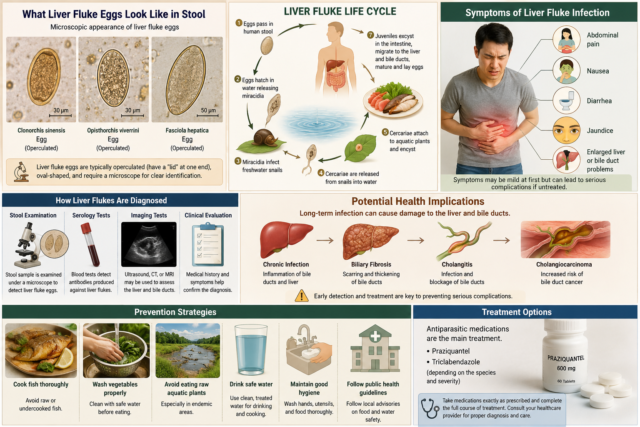
Understanding Liver Flukes in Stool Pictures
Liver flukes are often diagnosed by examining stool samples. The flukes’ eggs might be visible in a stool, but a microscope is usually required to see them clearly. Pictures of liver flukes in stool can help understand the parasite’s appearance, aiding in diagnosis. Recognizing these eggs is vital, as early detection can lead to more effective treatment and management.
What Are Liver Flukes?
Liver flukes are a type of parasitic worm that belongs to the trematode class. The most common species affecting humans include Clonorchis sinensis, Opisthorchis viverrini, and Fasciola hepatica. These parasites usually enter the human body through the consumption of contaminated water plants or undercooked fish. Once ingested, the larvae migrate to the liver, where they mature and lay eggs.
Symptoms of Liver Fluke Infection
An infection with liver flukes may lead to a range of symptoms. Initially, symptoms may be mild or nonexistent. Over time, however, the symptoms may escalate, including abdominal pain, nausea, diarrhea, and jaundice. Chronic infection can lead to more severe conditions such as cholangitis, pancreatitis, or even bile duct cancer.
Recognizing these symptoms early and seeking a healthcare professional’s advice is crucial. It is equally important to understand how one could contract this infection and take preventive measures accordingly, such as thoroughly cooking fish and properly washing vegetables.
How Are Liver Flukes Diagnosed?
Diagnosis of a liver fluke infection generally involves laboratory tests. Analyzing a stool sample for the eggs of the flukes is the standard procedure. The detected eggs under a microscope provide clear diagnostic evidence. Some imaging tests, like ultrasounds, CT scans, and MRIs, might be used to assess the condition of the liver and bile ducts.
Further diagnosis may involve serology tests to detect antibodies produced in response to the flukes. As always, it is vital to consult a healthcare provider for accurate diagnosis and appropriate treatment plans.
Potential Health Implications
If left untreated, liver fluke infections can lead to significant health challenges. The prolonged presence of these parasites can cause chronic inflammation and damage to the liver and bile ducts. This can lead to increased risks of conditions such as biliary fibrosis, cholangitis, or even cholangiocarcinoma—a form of bile duct cancer.
Early detection through stool samples and timely treatment can help mitigate these risks and improve overall health outcomes. Thus, being aware of the symptoms and proper diagnostic methods is essential.
Treatment Options
The treatment for liver fluke infections typically involves antiparasitic medications. The choice of drug and duration of treatment depends on the species of fluke and severity of infection. It is essential to follow a healthcare provider’s guidance to ensure effective treatment and prevent complications.
Aside from medication, addressing the causes of the infection, such as eliminating the consumption of raw or undercooked fish, is crucial to avoid reinfection. Improving sanitation and hygiene practices in endemic areas can also significantly reduce the incidence of liver fluke infections.
Prevention Strategies
Preventing liver fluke infections involves several strategies centered around diet and sanitation. Cooking fish thoroughly, avoiding raw or undercooked fish, and washing vegetables properly can prevent the ingestion of fluke larvae. In areas where liver flukes are endemic, it’s important to follow public health advisories and regulations regarding food and water safety.
Learn more about liver flukes and their impact on health to further enhance your knowledge and understand preventive measures.
Overall, understanding liver flukes in stool pictures can greatly aid in the detection and treatment of liver fluke infections. By being informed and taking appropriate actions, individuals can protect themselves and contribute to public health efforts against parasitic infections.
- Liver flukes are parasitic worms that affect the liver and bile ducts.
- Symptoms can range from mild to severe, including abdominal pain and jaundice.
- Diagnosis typically involves stool analysis, serology tests, and imaging.
- Treatment commonly includes antiparasitic medications.
- Prevention includes avoiding raw fish and maintaining good sanitation.
What exactly are liver flukes?
Liver flukes are parasitic worms that belong to the trematode class. They can infect the bile ducts and liver when humans consume contaminated water plants or undercooked fish.
What are the symptoms of liver fluke infection?
Symptoms may include abdominal pain, nausea, diarrhea, and jaundice. Chronic infections could lead to serious liver and bile duct issues.
How are liver flukes diagnosed?
Diagnosis usually involves stool sample analysis to detect eggs under a microscope, and may also include serology tests and imaging studies.
How can liver fluke infections be treated?
Treatment typically involves antiparasitic medications, depending on the species of fluke and severity of the infection. Consultation with a healthcare provider is essential.
What are some prevention strategies for liver fluke infections?
Prevention includes eating thoroughly cooked fish, washing vegetables properly, and following hygiene and sanitation guidelines to avoid ingesting fluke larvae.
Other Articles You May Find of Interest...
- Why You Get Stomach Bloating and Gas After Eating Meat
- Why Does Chick-fil-A Make My Stomach Hurt?
- Dr. Omar Marar on the Evolution of Modern Colorectal Surgery
- Pain Where Your Appendix Was Removed Years Ago: Possible Causes
- Why Multi-Strain Probiotics May Offer Broader Digestive Support
- What a Healthy Colon Looks Like During Colonoscopy
- A Better Digestive Rhythm: Everyday Habits for Preventing Occasional Constipation