






More Vascular Health Articles
Managing High APTT Blood Test Results: What It Means for Your Health
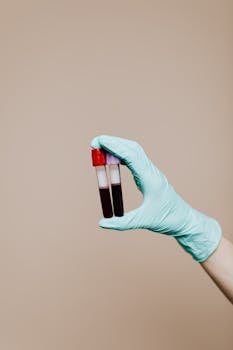
The activated partial thromboplastin time (APTT) blood test measures how long it takes for blood to clot, assessing levels of certain clotting factors and the overall coagulation process. If your aptt blood test high results came back, it might indicate abnormalities in your blood’s ability to clot. Understanding this outcome is essential for managing your health effectively and discussing possible implications with your healthcare provider.
What Does It Mean When Your APTT Blood Test High Results Occur?
A high APTT blood test result suggests that your blood takes longer than usual to clot, possibly indicating a deficiency or dysfunction in one or more clotting factors. These could be related to hereditary conditions like Hemophilia or acquired issues such as liver disease or the presence of inhibitors that interfere with clotting. Identifying the cause is crucial for appropriate management.
The increased clotting time may be a result of medications, such as anticoagulants, or conditions like Lupus anticoagulant presence, which requires further evaluation. It’s important to consider these factors when interpreting the results with your healthcare provider.
Causes of High APTT Levels
Various conditions can lead to elevated APTT levels, and it is vital to understand these potential causes:
- Liver Disease: The liver produces most clotting factors, so liver dysfunction can result in their deficiency.
- Vitamin K Deficiency: This essential vitamin is necessary for the synthesis of certain clotting factors. A deficiency can prolong APTT.
- Medications: Anticoagulants like heparin are designed to extend the clotting time and can lead to high APTT results.
- Factor Deficiencies: Conditions such as Hemophilia A and B involve deficiencies in clotting factors VIII and IX respectively.
- Presence of Inhibitors: Antibodies like lupus anticoagulant can interfere with the clotting process.
It’s important to follow up on any abnormal results with your healthcare provider, who may recommend further testing or refer you to a specialist.
Symptoms and Diagnosis
Although the aptt blood test high results may come as a surprise, there might be symptoms correlating with the underlying conditions:
- Easy Bruising: Unexplained or frequent bruising can be a sign of coagulation issues.
- Prolonged Bleeding: Experiencing prolonged bleeding from cuts, or dental procedures may indicate clotting problems.
- Hemophilia Symptoms: Repeated joint hemorrhages or blood in urine can be indicative of bleeding disorders.
Diagnosing the cause requires additional tests, including factor assays and inhibitor screenings, alongside symptom evaluation. This comprehensive approach helps in pinpointing the specific issue affecting clotting.
Managing High APTT Levels
Managing aptt blood test high results involves monitoring and addressing the underlying causes or conditions contributing to the extended clotting time. Your healthcare provider might suggest lifestyle adjustments, managing medications, or initiating specific treatments:
- Assessing any current medications that may affect clotting and adjusting them accordingly.
- Ensuring adequate intake of vitamin K through diet or supplementation as needed.
- Monitoring and treating any existing liver conditions to improve clotting factor production.
- Collaborating with specialists for hereditary conditions like Hemophilia or factor deficiencies.
It’s also important to engage in regular medical checkups and follow your doctor’s recommendations to maintain optimal health.
Consulting Your Doctor
Given the complexity of blood coagulation, discussing your aptt blood test high results with your healthcare provider is crucial. They can interpret the findings in the context of your overall health, taking into account any medications you are on or conditions you have. It might also involve reviewing your family history and lifestyle factors that could influence the results.
If you suspect signs of a bleeding disorder, like those described in these symptoms of hemochromatosis, reaching out to your healthcare provider for a thorough evaluation is a wise step.
Further Information and Studies
For those interested in exploring more about the causes and implications of high APTT levels, reliable resources like the National Institutes of Health or expert review articles from academic journals provide valuable insights. Additionally, visiting comprehensive sources like the Wikipedia entry on Activated Partial Thromboplastin Time can offer an in-depth understanding of this topic.
The right knowledge empowers patients to engage actively with healthcare providers, ensuring informed decisions about their treatment and well-being.
- Understanding APTT test results helps in managing bleeding risks effectively.
- Discussions with a healthcare provider are essential for accurate diagnosis and management.
- Additional tests may be needed to uncover underlying conditions.
- Treatment strategies should be personalized based on individual health needs.
- Reliable resources can provide further insights into managing high APTT levels.
What is an APTT blood test?
The APTT blood test measures the time it takes for blood to clot, evaluating the function of certain pathways and clotting factors within the blood. It is used to diagnose clotting disorders and monitor patients on anticoagulant therapy.
What conditions could cause a high APTT result?
Several conditions can lead to elevated APTT results, including liver disease, vitamin K deficiency, the presence of anticoagulants, and factor deficiencies like Hemophilia. Identifying the specific cause requires further testing.
How is a high APTT treated?
Treatment depends on the underlying cause but may include adjusting medications, supplementing vitamin K, addressing liver health, or using specific therapies for conditions like Hemophilia. Consultation with healthcare providers is crucial for appropriate management.
Can diet affect APTT blood test results?
Diet can influence clotting factors, particularly with vitamin K intake. Insufficient vitamin K can lead to prolonged APTT, so maintaining a balanced diet that includes this vitamin is beneficial.
Should I be concerned about a high APTT result?
A high APTT result warrants attention but not immediate concern. It should prompt a discussion with your healthcare provider to determine the cause and appropriate next steps for assessment and management.
Other Articles You May Find of Interest...
- The Timeline of Imiquimod: When Can You Expect Results?
- Discover the Benefits and Risks of the Strongest Blood Thinner
- Exploring the Benefits and Uses of Isosorbide Mononitrate in Heart Health
- Navigating Life with a Transvenous Pacemaker: Essential Insights for Patients
- Is the Trendelenburg Sign a Cause for Concern?
- Essential Insights About the Quinton Catheter for Effective Health Management
- Bevacizumab Side Effects: What Patients Should Be Aware Of



