






More Allergy, Asthma & Infectious Disease Articles
Exploring the Role of EBNA in Viral Infections and Immune Response
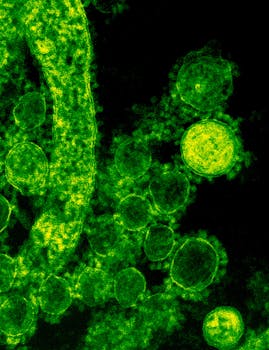
The Epstein-Barr Nuclear Antigen, commonly referred to as ebna, plays a critical role in viral infections, particularly those associated with the Epstein-Barr Virus (EBV). Understanding how ebna contributes to immune response and viral persistence can shed light on its significance in human health. This article will delve into the complexity of ebna, its functions, and its potential implications for therapies and diagnostics.
The Role of EBNA in Viral Infections
The Epstein-Barr Virus is known for its lifelong presence in the host following initial infection. A key player in this paradigm is the ebna, a family of proteins crucial to viral maintenance and immune evasion. EBNA proteins help the virus persist in host cells by regulating gene expression conducive to long-term infection.
Research has shown that ebna contributes to the transformation of B lymphocytes, a type of white blood cell, into immortalized cells. This transformation is a hallmark of EBV’s ability to establish latency. Such transformations may lead to various diseases, including certain lymphomas and autoimmune conditions.
Immune Response and EBNA
The immune system’s attempt to control EBV infections involves recognizing and responding to ebna. T lymphocytes, integral to the immune defense, recognize these antigens and can initiate an immune response to control the infection. Despite this, the virus efficiently evades complete eradication, thanks to the adaptive abilities of ebna.
Understanding how ebna interacts with the immune system has important implications for developing vaccines and therapeutic interventions. By targeting specific ebna proteins, researchers aim to enhance the immune response against EBV, potentially reducing the risk of associated diseases.
Implications of EBNA Research
Investigating ebna’s role in viral persistence provides insights into potential therapeutic targets. Current research focuses on identifying how ebna modulates host cellular machinery. Such studies may pave the way for novel treatments that inhibit the ability of the virus to maintain a latent state within the host.
A deeper understanding of ebna could lead to innovative strategies in managing conditions associated with EBV. This research not only offers hope for treating infections but also for conditions like nasopharyngeal carcinoma and multiple sclerosis, where EBV is suspected to play a contributing role.
Diet and Lifestyle Factors
While ongoing research looks at medical interventions, exploring lifestyle factors can complement management strategies for those affected by EBV. Nutrition, exercise, and stress management may support immune health, potentially influencing the body’s ability to control EBV infections.
For a broader perspective on health and lifestyle, you might find our article on safe and effective approaches to weight loss insightful.
EBNA and Future Directions
Future research into ebna will likely focus on elucidating its interactions with host DNA and its role in cell proliferation. Such studies are essential for developing targeted therapies and improving existing diagnostic techniques for EBV-associated conditions.
Additionally, understanding how environmental factors and viral genetics influence EBNA expression could provide valuable information on disease progression and prevention. This research could craft more personalized approaches to EBV-related health issues.
For more information about the science of health and disease prevention, visit this informative resource on health.
In conclusion, ebna is a critical component in the complex relationship between EBV and its host. As research progresses, the potential for new therapeutic and diagnostic opportunities grows, emphasizing the importance of continuing investigations into this intriguing antigen.
- EBNA proteins play a crucial role in EBV’s ability to persist in host cells.
- Targeting EBNA may lead to new therapies for EBV-related conditions.
- Research continues to uncover the complex interactions between EBNA and the immune system.
What is EBNA, and why is it important?
EBNA stands for Epstein-Barr Nuclear Antigen, a group of proteins essential for the Epstein-Barr Virus to establish and maintain infection within the host.
How does EBNA affect the immune system?
EBNA interacts with components of the immune system, helping the virus evade detection and ensuring its long-term survival in the host.
Can EBNA be a target for therapies?
Yes, targeting EBNA is a promising strategy for developing treatments that may prevent or reduce the persistence of EBV, thus addressing related health conditions.
What diseases are associated with EBV and EBNA?
Diseases associated with EBV and EBNA include various lymphomas, nasopharyngeal carcinoma, and conditions like multiple sclerosis, where EBV is implicated.
Is there a way to prevent EBV infection?
Currently, there is no vaccine for EBV. However, understanding EBNA’s role may lead to the development of vaccines and improved prevention strategies in the future.
Other Articles You May Find of Interest...
- How to Keep Pollen Out of Your Home: Choosing an Air Purifier for Pollen
- When Should Your Child See a Pediatric Allergist? A Three-Trigger Test
- Candida sp. rRNA Results: What Molecular Testing Detects
- Ant Bites or Poison Ivy? How the Rashes Differ
- Can Stress Cause Cold Sores on the Lips?
- Gram-Positive Rods in a Blood Culture: Contamination or Infection?
- Can Head Lice Get Into Your Ears?





