






More Imaging Articles
CT Scan vs MRI: Which Imaging Method Is Right for You?
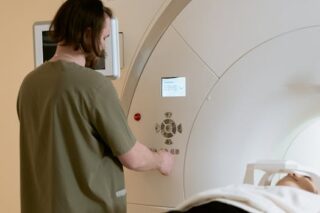
When it comes to medical imaging, the choice between a CT scan and an MRI largely depends on the specific health concern and what your healthcare provider needs to see. Both imaging methods provide detailed insights into the body’s internal structures, but they each have unique advantages and limitations. Understanding the differences between CT scan vs MRI can help you feel more informed and at ease during the process of diagnosis or treatment.
CT Scan vs MRI: Understanding the Basics
The primary difference between a CT scan and an MRI lies in how they obtain images. A CT scan, or computed tomography, uses X-rays to create cross-sectional images of the body. It’s particularly effective for diagnosing bone injuries, detecting tumors, and assessing internal bleeding. On the other hand, an MRI, or magnetic resonance imaging, uses magnetic fields and radio waves to produce detailed images, especially useful for examining soft tissues such as the brain, muscles, and ligaments.
How CT Scans Work
CT scans involve the use of multiple X-ray images taken from different angles. These images are processed by a computer to create a series of detailed cross-sections. The process is quick and efficient, typically completed in a matter of minutes. This makes CT scans a preferred choice in emergency settings where speed is crucial.
How MRIs Work
MRIs rely on strong magnets to align the hydrogen atoms in your body, which are then disturbed by radiofrequency pulses. As the atoms realign, they emit signals that are captured to form images. Although MRIs take longer than CT scans, often between 30 minutes to an hour, their ability to show contrast in soft tissues with high precision is unmatched.
Choosing Between MRI vs CT Scan
The decision between MRI vs CT scan is influenced by several factors, including the area of the body being examined, the potential diagnostic information needed, and the patient’s overall health.
Factors Favoring CT Scans
- Time Sensitivity: CT scans are quicker and often the go-to in emergencies.
- Bone Detail: They provide excellent details of bone structures.
- Metal Sensitivity: Unlike MRIs, CT scans do not pose risks related to metal implants.
Factors Favoring MRIs
- Soft Tissue Contrast: MRIs excel at creating detailed images of soft tissues.
- No Radiation: MRIs do not use ionizing radiation, making them safer for repeated imaging.
- Neurological Imaging: Preferred choice for brain and spinal cord evaluations.
Both imaging methods have their strengths and weaknesses. If you’re exploring alternative diagnostic options, you might be interested in different perspectives on integrative health approaches, which emphasize a comprehensive look at the patient’s health needs.
The Difference Between MRI and CT Scan Costs and Accessibility
While both methods are advanced, the cost and availability could be deciding factors. Generally, CT scans are less expensive and more widely available than MRIs. However, insurance coverage and healthcare provider recommendations should also influence your decision.
Waiting times for MRI appointments can be longer due to the nature of the procedure and the demand. Conversely, CT scans tend to be more accessible, especially in hospital settings.
Potential Risks: CT Scan vs MRI
Each imaging technique carries its own risks. While CT scans involve exposure to radiation, which may be a concern over multiple imaging sessions, MRIs are usually safer for frequent use but require caution if the patient has metallic implants.
If you’re interested in learning more about the technical details and uses, visit this comprehensive resource on medical imaging through Wikipedia.
Ultimately, your healthcare provider will make a recommendation based on your specific health needs, weighing the potential benefits and risks of CT scan vs MRI.
- CT scans are faster and often used in emergencies.
- MRIs provide superior images of soft tissues.
- The choice between the two depends on the medical situation.
- CT scans use X-rays; MRIs use magnetic fields.
- Consult with a doctor for the best imaging method for your needs.
FAQs
What is the main difference between CT and MRI scans?
The main difference lies in how images are created: CT scans use X-rays for quick snapshots, while MRIs use magnetic fields and radio waves, which provide detailed images of soft tissues.
Are there any side effects of CT scans?
CT scans involve exposure to ionizing radiation, which carries some risk. However, today’s technology minimizes radiation doses, making the procedure safe when conducted correctly.
Which is better for examining the brain: MRI or CT?
MRIs are generally preferred for brain imaging due to their superior ability to differentiate soft tissues, although CTs may be used for quick assessments, especially in trauma cases.
Can children undergo MRI or CT scans?
Yes, both MRI and CT scans can be conducted on children. The choice depends on the medical necessity, with consideration towards minimizing radiation exposure in CT scans.
How should I prepare for an MRI or CT scan?
For an MRI, remove any metal objects and inform your provider of any implants. Fasting might be necessary for CT scans if contrast is used. Always follow your healthcare provider’s instructions.
Other Articles You May Find of Interest...
- MRA vs MRI: Which Imaging Technique is Right for You?
- Exploring the Insights Revealed by Hand X Rays
- What to Expect: Duration of a CT Scan and Its Impact on Your Health
- Unlocking the Benefits of MR Elastography for Liver Health
- Unlocking the Benefits of MRI Elastography in Modern Medical Diagnosis
- Lung Nodule Size Explained: What Patients Need to Know
- How Long Will You Be Radioactive After a Nuclear Stress Test?




