






More Allergy, Asthma & Infectious Disease Articles
Mottled Skin: Causes, Symptoms, and Treatment Options Explained
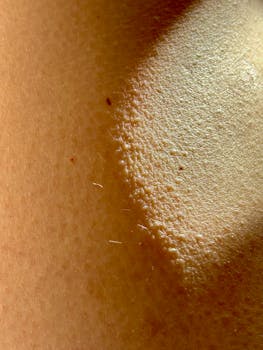
Mottled skin, characterized by irregular patches of different colors, is a condition that often prompts individuals to seek answers about its causes and implications. In this article, we will explore what mottled skin is, delve into its potential symptoms, causes, and treatment options, and offer guidance on when to consult with a healthcare professional.
What Is Mottled Skin?
Mottled skin, also known as livedo reticularis, appears as a net-like pattern of purplish discoloration, typically on the skin’s surface. This pattern is often due to various factors, including changes in temperature or underlying medical conditions that affect blood circulation. Understanding the root causes is essential to managing this condition effectively.
Causes of Mottled Skin
Several factors can contribute to the appearance of mottled skin. Below are some common causes:
- Temperature Changes: Exposure to cold can cause mottled skin as blood vessels constrict and dilate unevenly.
- Vascular Conditions: Certain vascular disorders affect blood flow, leading to the characteristic mottled appearance.
- Medications: Some medications may result in skin mottling as a side effect.
- Autoimmune Diseases: Conditions such as lupus and rheumatoid arthritis may cause changes in skin coloration.
Symptoms Associated with Mottled Skin
Mottled skin itself is a visible symptom, but it can be accompanied by other signs depending on the underlying cause. These may include:
- Sensitivity to temperature changes
- Cold extremities
- Swelling of affected areas
- Possible pain or discomfort where the skin is discolored
When to Seek Medical Attention
If you notice mottled skin, especially if it is persistent or accompanied by other symptoms such as pain, swelling, or changes in skin texture, it is advisable to consult with a healthcare provider. They can evaluate your symptoms and may recommend further testing to identify any underlying conditions.
Diagnosis of Mottled Skin
Diagnosing mottled skin often involves a physical examination and a discussion of medical history by a healthcare provider. They might conduct specific tests, such as blood work or imaging studies, to rule out conditions like vascular disorders or autoimmune diseases.
Treatment Options
Treatment for mottled skin focuses on addressing the underlying cause. Common approaches may include:
- Managing Temperature: Keeping warm and avoiding sudden temperature changes can help manage symptoms.
- Medications: Depending on the underlying condition, medications may be prescribed to improve circulation or address specific symptoms.
- Lifestyle Changes: Encouraging a healthy lifestyle, including regular exercise, can improve overall blood flow.
In some cases, home remedies and lifestyle changes may help. Avoiding prolonged exposure to cold and practicing good skincare can prevent exacerbations.
For further understanding of related symptoms, you may wish to explore these articles on recognizing symptoms that might help you better understand conditions associated with skin changes.
Prevention Tips
While not all causes of mottled skin can be prevented, some measures can help reduce the risk of developing this condition:
- Maintain a stable body temperature
- Wear appropriate clothing in cold weather
- Regular check-ups with a healthcare provider to monitor any potential underlying health issues
Conclusion
Understanding what is mottled skin is crucial for recognizing its symptoms and seeking appropriate medical care. By being aware of the causes and treatment options, individuals can make informed decisions regarding their health and comfort. For further authoritative insights, consider exploring resources like this comprehensive guide on health.
- Seek medical advice if mottled skin is persistent or worsening.
- Temperature management is key in alleviating symptoms.
- Lifestyle changes can significantly impact overall skin health.
FAQs about Mottled Skin
What does mottled skin look like?
Mottled skin presents as a pattern of irregular purplish or bluish spots, often resembling a mesh or net.
Is mottled skin a sign of a serious condition?
While mottled skin can be benign, it can also indicate an underlying vascular or autoimmune disorder. It’s essential to consult a healthcare provider for a professional evaluation.
Can lifestyle changes help with mottled skin?
Yes, lifestyle changes such as temperature management, proper clothing, and regular exercise can help manage symptoms.
What treatments are available for mottled skin?
Treatments may include medication to improve circulation, lifestyle adjustments, and addressing any underlying health conditions.
Should I be concerned if my skin suddenly becomes mottled?
If mottled skin appears suddenly, persists, or is accompanied by other symptoms such as pain, it’s advisable to seek medical attention.
Other Articles You May Find of Interest...
- How to Keep Pollen Out of Your Home: Choosing an Air Purifier for Pollen
- When Should Your Child See a Pediatric Allergist? A Three-Trigger Test
- Candida sp. rRNA Results: What Molecular Testing Detects
- Ant Bites or Poison Ivy? How the Rashes Differ
- Can Stress Cause Cold Sores on the Lips?
- Gram-Positive Rods in a Blood Culture: Contamination or Infection?
- Can Head Lice Get Into Your Ears?
Featured Doctors and Practices





