More Addiction Articles
Exploring Wet Brain: Causes, Symptoms, and Treatment Options
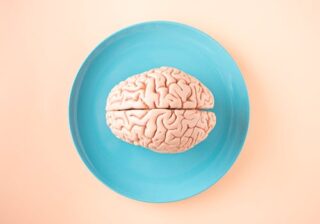
Understanding complex health conditions can often be a daunting task. Among such conditions is a lesser-known disorder known as “wet brain,” medically termed Wernicke-Korsakoff syndrome. But what is wet brain, and why is it significant to discuss? This article explores the causes, symptoms, and treatment options for wet brain, aiming to provide information that is both accessible and enlightening.
What is Wet Brain?
Wet brain, or Wernicke-Korsakoff syndrome, is a brain disorder caused primarily by a deficiency of thiamine, also known as vitamin B1. This condition often arises due to chronic alcoholism, which can severely affect thiamine absorption in the body. Beyond alcoholism, this deficiency can also result from poor diet, eating disorders, or diseases that impact nutritional absorption.
The syndrome is typically characterized by two stages: Wernicke’s encephalopathy, which manifests with confusion, coordination issues, and vision disturbances; followed by Korsakoff’s psychosis, which can involve memory loss and hallucinations. Early detection and treatment are essential to mitigate the effects of this condition.
Causes of Wet Brain
Chronic alcohol consumption is the primary cause of wet brain. Alcohol can impact thiamine absorption in multiple ways — by interfering with its intake, its conversion to its active form, and damaging organs responsible for storage. Other causes include malnutrition, where sufficient thiamine intake is absent or inadequate.
Certain eating disorders, like anorexia and bulimia, can also contribute to the development of wet brain due to the deficit of vital nutrients. Additionally, diseases that affect nutrient absorption, such as Crohn’s disease or gastrointestinal surgeries, can increase the risk.
Symptoms of Wet Brain
The symptoms of wet brain syndrome occur in two stages. The first, Wernicke’s encephalopathy, presents with acute symptoms such as confusion, ataxia (impaired balance or coordination), and eye movement disturbances. Without treatment, these symptoms can progress rapidly.
The second stage, Korsakoff’s psychosis, involves chronic and potentially irreversible symptoms. These include profound memory problems, confabulation (making up stories), and occasionally hallucinations. Multitasking becomes difficult, and individuals may struggle to form new memories.
Treatment Options
Early intervention is crucial in treating wet brain. The initial step is administering thiamine supplements, often intravenously, to quickly replenish levels. This approach can significantly reduce symptoms of Wernicke’s encephalopathy if caught early enough. Treatment requires continued thiamine supplementation and abstaining from alcohol to prevent further neurological damage.
Addressing the underlying cause, such as improving diet and managing alcoholism, forms a critical part of comprehensive treatment. Various support systems and rehabilitation programs can aid in managing alcoholism. To learn more about alcohol addiction support, visit our detailed article on understanding drug and alcohol addiction.
Preventing Wet Brain
Prevention of wet brain centers around maintaining a balanced diet rich in thiamine and addressing lifestyle factors that may deplete this essential nutrient. For individuals struggling with alcohol use disorder, seeking assistance is imperative to prevent or manage the onset of wet brain.
Routine medical evaluations and appropriate nutritional counseling can also highlight deficiencies that might require supplementation, thus preventing the disorder’s development or progression.
Resources and Support
Organizations worldwide offer resources and support for individuals affected by wet brain and related disorders. For more information on thiamine deficiency and its impact on health, consider exploring educational resources from reputable sources. For instance, you can find additional information on thiamine on Wikipedia.
Prognosis varies depending on the stage at which the condition is detected. While Wernicke’s encephalopathy may be reversible with timely treatment, Korsakoff’s psychosis is often more challenging to manage, with some symptoms persisting indefinitely.
Ultimately, understanding the causes, symptoms, and treatment options of what is wet brain is crucial for both prevention and management of this condition. Through awareness and early intervention, individuals can significantly enhance their quality of life and health outcomes.
- Wet brain is caused by thiamine (vitamin B1) deficiency, often linked to alcoholism.
- Symptoms range from confusion and coordination issues to severe memory problems.
- Early treatment with thiamine can reverse some of the symptoms.
- Prevention includes maintaining a balanced diet and managing alcohol consumption.
- Support from healthcare professionals and rehabilitation programs is essential.
What is the primary cause of wet brain?
The primary cause of wet brain is thiamine deficiency, often due to chronic alcohol consumption, which impairs the body’s ability to absorb this critical vitamin.
Can wet brain be reversed?
Early-stage wet brain (Wernicke’s encephalopathy) may be reversible with timely administration of thiamine. However, symptoms of Korsakoff’s psychosis may persist.
Are there non-alcohol-related causes of wet brain?
Yes, conditions causing severe malnutrition, gastrointestinal disorders affecting nutrient absorption, and certain eating disorders can lead to thiamine deficiency, contributing to wet brain.
What are the long-term effects of untreated wet brain?
Untreated wet brain can lead to permanent neurological damage, including severe memory issues and reduced cognitive function, often associated with Korsakoff’s psychosis.
How can one prevent wet brain?
Prevention involves maintaining a diet rich in thiamine, moderating alcohol consumption, and obtaining regular health check-ups to address nutritional deficiencies promptly.
Other Articles You May Find of Interest...
- Making Intensive Outpatient Treatment Fit a Working Week
- Making Room for Healthier Choices During Recovery
- The Role of a Sober Companion After Rehab
- 6 Luxury Rehab Centres in India for High-Net-Worth Individuals (2026)
- Naloxone and the Quiet Infrastructure Behind America’s Falling Overdose Numbers
- Why Recovery Housing Reduces Emergency Room Visits, Not Just Relapse Risk
- Is a Chemical-Free Vape Possible? What the Vapor Still Contains