






More Allergy, Asthma & Infectious Disease Articles
Maximizing Lung Health: The Importance of Minute Ventilation Explained
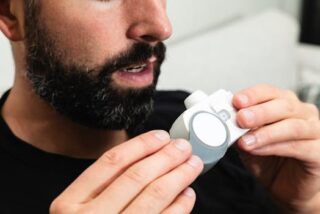
Understanding the concept of minute ventilation is crucial for maximizing lung health and overall respiratory fitness. Minute ventilation refers to the total volume of air inhaled and exhaled from the lungs per minute. This measurement is significant because it influences oxygen intake and carbon dioxide elimination, which are vital processes for our body’s function. Whether you’re an athlete looking to enhance performance or someone seeking better general health, monitoring minute ventilation can provide valuable insight.
What is Minute Ventilation?
Minute ventilation is calculated by multiplying the tidal volume, which is the amount of air per breath, by the respiratory rate, or the number of breaths per minute. Understanding this calculation helps in assessing the efficiency of a person’s breathing and the lungs’ ability to meet the body’s metabolic needs.
Several factors can affect minute ventilation, including physical activity level, medical conditions, and body size. Consistently high or low minute ventilation can indicate underlying respiratory issues, making it an important metric for health assessments.
Factors Affecting Minute Ventilation
Various factors influence minute ventilation. During exercise, for example, the body demands more oxygen and produces more carbon dioxide, which increases both the tidal volume and the respiratory rate. Conversely, conditions such as chronic obstructive pulmonary disease (COPD) can reduce lung function and alter these variables. Understanding individual differences in minute ventilation can help tailor personal fitness plans or manage respiratory diseases.
Moreover, environmental factors like altitude can also play a role. High altitudes require the body to adapt to lower oxygen levels, potentially impacting minute ventilation values. Similarly, lifestyle choices impact respiratory health.
For more on how lifestyle influences overall health, see our article on lifestyle choices and health.
Monitoring Minute Ventilation
Monitoring minute ventilation can be particularly beneficial for individuals with respiratory issues or athletes. Devices such as spirometers can provide accurate measurements and aid in tracking changes over time. These devices are often used in clinical settings to diagnose and monitor lung conditions such as asthma or COPD.
A professional healthcare provider can interpret spirometer readings and suggest interventions if necessary. By comprehending how various activities and environments affect your minute ventilation, tailored strategies can be developed to improve or maintain respiratory health.
Improving Lung Capacity and Efficiency
Improving lung capacity can directly influence minute ventilation. Regular aerobic exercise strengthens the respiratory muscles, enhancing the lungs’ efficiency. Activities like running, swimming, and cycling are particularly advantageous in increasing both tidal volume and respiratory rate in a healthy manner.
Breathing exercises can also be beneficial. Techniques such as diaphragmatic breathing or pursed-lip breathing improve lung function and can lower stress levels. Additionally, maintaining a healthy diet and avoiding smoking are crucial steps towards lung health.
The Role of Minute Ventilation in Disease Management
Minute ventilation plays a significant role in managing respiratory diseases. For patients with conditions like asthma or COPD, closely monitoring breathing patterns can prevent exacerbations. Adjustments in medication, lifestyle, and exercise can then be made accordingly.
Healthcare providers often recommend specific treatments to optimize minute ventilation in diseased states. However, it is important to seek professional guidance before making modifications to avoid potential health risks.
Conclusion: The Importance of Minute Ventilation
Minute ventilation is an indispensable measurement for understanding respiratory health. By keeping track of breathing efficiency, individuals can take proactive steps in improving lung capacity, enhancing exercise performance, and managing respiratory conditions.
Recognizing changes in minute ventilation can provide early warnings of potential health issues, allowing for timely medical intervention. Therefore, whether your goal is enhanced athletic performance or better disease management, understanding and monitoring minute ventilation should be an integral part of your health routine.
For more about the intricacies of health measurements and overall health, you might find this page on the importance of health useful.
- Minute ventilation measures the amount of air inhaled and exhaled per minute.
- Factors such as exercise, altitude, and lung conditions influence minute ventilation.
- Monitoring minute ventilation can aid in disease management and athletic performance.
- Improving lung capacity through exercise and breathing techniques is beneficial.
- Professional guidance is advised for interpreting and managing minute ventilation data.
What is the normal range for minute ventilation?
The normal range for minute ventilation varies with age and activity but for an adult at rest, it typically ranges from 5 to 8 liters per minute.
How can exercise influence my minute ventilation?
During exercise, your body needs more oxygen and produces more carbon dioxide, which increases both the tidal volume and respiratory rate, thus increasing minute ventilation.
Can improving minute ventilation enhance sports performance?
Yes, by optimizing breathing efficiency and lung capacity, athletes can improve their endurance and overall performance. Regular training and proper breathing techniques are key.
Are there any devices that can help monitor my minute ventilation?
Yes, spirometers are commonly used to measure minute ventilation. These devices are often available in clinical settings and can help track lung function changes over time.
Can lifestyle changes affect my minute ventilation?
Absolutely. Lifestyle choices such as regular exercise, smoking cessation, and a healthy diet can greatly influence lung health and efficiency, impacting your minute ventilation
Other Articles You May Find of Interest...
- How to Keep Pollen Out of Your Home: Choosing an Air Purifier for Pollen
- When Should Your Child See a Pediatric Allergist? A Three-Trigger Test
- Candida sp. rRNA Results: What Molecular Testing Detects
- Ant Bites or Poison Ivy? How the Rashes Differ
- Can Stress Cause Cold Sores on the Lips?
- Gram-Positive Rods in a Blood Culture: Contamination or Infection?
- Can Head Lice Get Into Your Ears?





