






More Cancer Awareness Articles
Is Your Mole Bleeding? What It Could Mean for Your Health
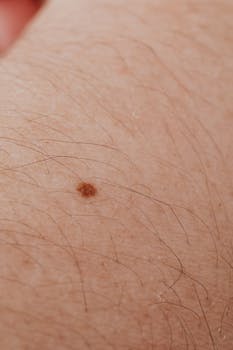
Discovering a bleeding mole can be a worrying experience, prompting questions about what this symptom could indicate for your health. While moles are generally benign, changes in their appearance, such as bleeding, may require further evaluation. Understanding why a mole might bleed and when to seek medical advice is crucial for maintaining your skin health.
Understanding Bleeding Moles
The skin is our body’s largest organ, and moles are common growths on it. However, when a mole starts bleeding, it raises concerns. Common reasons for a bleeding mole include accidental trauma, such as scratching or rubbing against clothing. Sometimes, bleeding might occur for no apparent reason, which could necessitate further investigation.
Moles that change in size, shape, color, or texture, including those that start bleeding, may need to be examined by a healthcare professional. These changes could be indicative of skin cancer, particularly melanoma, which is a more severe concern.
What Causes a Mole to Bleed?
Several factors could cause a mole to bleed:
- Physical Trauma: Sometimes, a mole may bleed due to mechanical irritation—like shaving, scratching, or rubbing against tight clothing.
- Environmental Factors: Prolonged exposure to sunlight can sometimes irritate the skin, including moles.
- Skin Conditions: Certain skin conditions might increase the likelihood of moles bleeding.
When to Seek Medical Advice
If you notice a bleeding mole, observe it closely. If bleeding persists, or if there are changes in its appearance or sensation, it’s advisable to consult a dermatologist. They can perform a thorough examination and may opt for a biopsy to rule out conditions like melanoma, which is essential for proper diagnosis and treatment.
In addition to bleeding, other warning signs include asymmetry, irregular borders, diverse colors, or a diameter greater than a pencil eraser. Addressing these concerns early on can lead to better outcomes.
Prevention and Monitoring
Regular self-examinations of your skin can help identify changes early. Use a mirror to explore hard-to-see areas, and consider asking a friend or family member for assistance. Applying sunscreen to protect moles from UV rays is also recommended. If you are worried about changes, keep a photographic record to compare any developments over time.
Moreover, it’s helpful to understand your risk factors for skin cancer, which include excessive sun exposure, a family history of skin cancer, and having multiple atypical moles. For more detailed information about understanding different health symptoms, you might find the article on recognizing health symptoms useful.
Further Education and Resources
To learn more about skin health and related conditions, consider consulting reliable sources. The National Cancer Institute provides valuable insights into skin moles and potential changes. They offer resources for understanding risks and prevention strategies better.
Conclusion
Noticing a bleeding mole can be concerning, but understanding the possible causes and when to seek medical advice can alleviate unease. By staying informed and attentive to changes in your skin, you can take proactive steps in maintaining optimal health.
- Moles are common skin growths and usually harmless.
- Changes in a mole, such as bleeding, may require evaluation.
- Regular monitoring and protection against UV rays are essential.
- Seek medical advice if a mole changes or starts bleeding without cause.
- Educate yourself through reliable sources like the National Cancer Institute.
FAQ Section
Why might a mole start bleeding?
A mole can start bleeding due to friction, injury, or spontaneous causes, and it should be monitored for additional changes.
When should I see a dermatologist?
If a mole bleeds without a clear cause, changes in appearance, or presents additional symptoms like itching, it is wise to consult a dermatologist.
Can bleeding moles be a sign of cancer?
While not all bleeding moles are cancerous, it can be a symptom of skin cancer, particularly melanoma. It is essential to get a professional evaluation to rule out malignancy.
How can I prevent my moles from bleeding?
To prevent moles from bleeding, protect your skin from excessive sun exposure, avoid irritation, and perform regular self-examinations.
Are there resources for learning more about moles?
Yes, reliable resources such as the National Cancer Institute provide detailed information about moles and skin health.
Other Articles You May Find of Interest...
- Can Persistent Diarrhea Be a Sign of Pancreatic Cancer?
- Chondroma: A Usually Benign Tumor of Cartilage
- How Long Do Biopsy Results Take? Typical Waiting Times and Delays
- Can Biting Your Nails Cause Cancer?
- Malignant vs. Metastatic Cancer: The Difference That Matters
- Hyperplasia vs. Dysplasia: How Abnormal Cell Changes Differ
- Neck Pain Around a Chemo Port: Normal Soreness or a Complication?





