






More Allergy, Asthma & Infectious Disease Articles
What Causes Blanchable Redness and How to Address It?
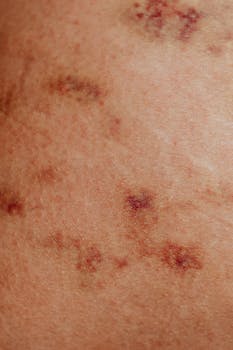
Understanding skin changes and their implications can be daunting. A common yet occasionally puzzling condition is blanchable redness, which manifests as reddened skin that temporarily becomes pale under pressure. Identifying the cause of blanchable redness is essential in determining whether it signifies a benign change or a more significant health issue. In this article, we will explore the causes of blanchable redness and potential approaches to managing it.
What Is Blanchable Redness?
Blanchable redness refers to skin flushing that temporarily loses color when pressed. This response indicates that blood is temporarily pushed out of the affected skin area. The redness typically returns upon releasing pressure, signaling that blood flow has resumed. While blanchable redness often isn’t a cause for alarm, understanding its various causes can aid in determining if further medical evaluation is required.
Common Causes of Blanchable Redness
Blanchable redness can be triggered by several factors, with varying levels of concern regarding underlying health conditions. Below, we review some common causes:
- Temperature Changes: Exposure to hot or cold environments can cause vascular responses in the skin, leading to temporary redness.
- Sunburn: UV exposure can lead to skin redness, which becomes more apparent when touched.
- Allergic Reactions: Contact with allergens can induce redness alongside other symptoms like itching or swelling.
- Infection: Skin infections can lead to localized redness that blanches when touched.
- Dermatitis: Various types of dermatitis can cause the skin to become red and sensitive.
These causes vary in severity. While some may require only minor modifications to skincare routines or environments, others might necessitate medical attention, especially if accompanied by additional symptoms.
Addressing Blanchable Redness
Managing blanchable redness depends on its underlying cause. Here are some approaches often recommended:
- Identify Triggers: Keeping track of environmental or lifestyle factors that lead to redness can help in avoiding them where possible.
- Use Sunscreen: Regular application of sunscreen helps protect the skin from UV damage that can cause reddening.
- Moisturization: Keeping skin well-hydrated can improve its overall health and resilience to environmental stressors.
- Consult a Dermatologist: For persistent or severe redness, seeking professional advice can help tailor a specific treatment plan.
You can find more comprehensive guidance on lifestyle impacts on skin health in this related article.
When to Seek Medical Attention
While blanchable redness is often benign, specific scenarios warrant further investigation:
- Accompanying Symptoms: Fever, pain, or swelling alongside redness may indicate an infection or severe allergic reaction.
- Persistent Redness: Redness that does not resolve with standard treatments should be evaluated by a healthcare provider.
- Skin Changes: Any sudden changes in skin texture, color, or sensation require medical evaluation to rule out underlying conditions.
Early assessment and intervention can prevent complications and provide peace of mind. Always consult with a medical professional for personalized advice.
Conclusion
Understanding the causes and management of blanchable redness can empower you to maintain healthier skin and make informed decisions about seeking medical care. As with any condition, a proactive approach can enhance outcomes and facilitate better overall skin health. Exploring lifestyle adjustments can further support skin wellbeing; read more about this in the linked article. For authoritative information, refer to this resource.
- Blanchable redness is typically benign but can highlight other health issues.
- Common triggers include temperature changes, sunburn, and allergic reactions.
- Addressing it involves avoiding triggers and applying protective skincare measures.
- Consult a healthcare provider if redness persists or is accompanied by other symptoms.
- Skin changes should never be ignored; early assessment is beneficial.
What causes skin to become red and blanchable?
Blanchable redness can be caused by factors like sunburn, allergic reactions, temperature changes, and infections, which affect blood flow to the skin.
Is blanchable redness a sign of an underlying disease?
Not always. It can be a natural response to environmental stimuli, but persistent redness may require medical evaluation to rule out underlying conditions.
Can lifestyle changes help manage blanchable redness?
Yes. Using sunscreen, moisturizing regularly, and identifying triggers can help manage the condition. Understanding broader lifestyle impacts can be beneficial, as detailed in related articles.
When should I seek medical attention for blanchable redness?
If the redness is persistent, is accompanied by symptoms like pain or swelling, or if you experience a sudden change in skin condition, consult a healthcare provider.
What are some self-care strategies for managing skin redness?
Applying moisturizers, using sun protection, avoiding known triggers, and maintaining a gentle skincare routine can all aid in managing skin redness.
Other Articles You May Find of Interest...
- How to Keep Pollen Out of Your Home: Choosing an Air Purifier for Pollen
- When Should Your Child See a Pediatric Allergist? A Three-Trigger Test
- Candida sp. rRNA Results: What Molecular Testing Detects
- Ant Bites or Poison Ivy? How the Rashes Differ
- Can Stress Cause Cold Sores on the Lips?
- Gram-Positive Rods in a Blood Culture: Contamination or Infection?
- Can Head Lice Get Into Your Ears?





