






More Allergy, Asthma & Infectious Disease Articles
Why Does Your Heart Rate Spike When You’re Sick?
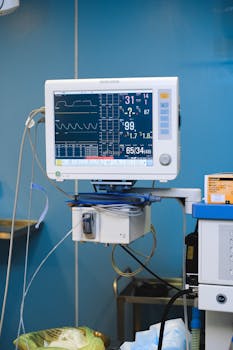
When you’re feeling under the weather, it’s not uncommon to experience a variety of symptoms. One such symptom that many might notice is an elevated heart rate when sick. This can be concerning, especially if you’re not sure why it’s happening. Understanding the reasons behind this increase can help alleviate anxiety and provide insight into your body’s response to illness.
Why Does an Elevated Heart Rate When Sick Occur?
Your heart rate can rise when you’re ill due to several factors. The body’s response to infection often involves activating the immune system, which requires more energy. This increased energy demand can cause your heart to pump harder and faster to circulate oxygen and nutrients necessary to fight off the pathogen.
Fever is another common cause of an increased heart rate. When you have a fever, your body’s temperature regulation is at work, which escalates metabolic processes. Faster metabolism means your heart beats faster to sustain bodily functions. The body’s inflammatory response also plays a role by releasing cytokines, substances that can raise heart rate as part of the immune response.
Other Factors Contributing to Elevated Heart Rate
Dehydration can exacerbate an elevated heart rate when sick. When your body loses fluids, the blood volume decreases, prompting the heart to beat more rapidly to maintain adequate circulation. Additionally, stress and anxiety about being sick can contribute to a higher heart rate.
Medications, caffeine or alcohol intake, and existing health conditions like anemia or thyrotoxicosis are other possible factors. If you’re experiencing persistent or severely elevated heart rates while sick, seeking medical consultation is advised to rule out underlying issues.
Managing Elevated Heart Rate
To help manage an elevated heart rate when sick, focus on rest and hydration. Ensuring you get enough fluids can help maintain proper blood volume and alleviate the strain on your heart. Staying relaxed and reducing stress through mindfulness or meditation can also be beneficial.
Over-the-counter medications can help manage fever and pain, which may, in turn, help regulate your heart rate. However, always consult a healthcare professional before starting any new medication, especially if you have underlying conditions or are on other prescribed treatments.
When to Seek Medical Help
If your elevated heart rate is accompanied by severe symptoms such as shortness of breath, chest pain, or fainting, it’s crucial to seek immediate medical attention. These could be signs of more serious conditions that require prompt intervention.
For individuals with existing heart conditions, an elevated heart rate when sick might warrant earlier consultation with a doctor to ensure it doesn’t complicate their condition. Chronic issues like hypertension or arrhythmias necessitate closer monitoring and professional guidance.
Connecting Health and Lifestyle
Your lifestyle choices significantly impact your overall health and how your body responds to illnesses, including heart rate changes. A healthy diet, regular exercise, and stress management can bolster your immune system and improve cardiovascular health. This holistic approach may help mitigate symptoms like an elevated heart rate during sickness. For more insights, check out our article on how lifestyle choices impact our overall health.
Further Reading on Heart Health
To understand more about heart function and illness response, credible resources such as Wikipedia on health provide extensive background information on how various body systems interact and respond to stressors like pathogens.
In conclusion, experiencing an elevated heart rate when sick is often a natural response to infection or illness. By understanding the factors involved, you can better manage your symptoms and maintain peace of mind.
- An elevated heart rate when sick is often due to the body’s increased energy demand during illness.
- Fever and dehydration are common causes that can raise your heart rate.
- Lifestyle choices can affect how the body responds to sickness.
- Seek medical advice if symptoms are severe or accompanied by chest pain or dizziness.
- Hydration and rest are key to managing an elevated heart rate.
What illnesses can cause an elevated heart rate?
Common illnesses like infections, fever, and colds can cause an elevated heart rate. More serious conditions such as pneumonia or septicemia may also result in increased heart rates.
How can dehydration affect heart rate during sickness?
Dehydration reduces blood volume, which makes the heart work harder to pump blood throughout the body, leading to an elevated heart rate.
When should I be concerned about my heart rate when sick?
If your elevated heart rate is accompanied by troubling symptoms such as chest pain, severe dizziness, or an irregular heartbeat, seek medical advice immediately.
Can anxiety make my heart rate higher when I’m sick?
Yes, anxiety can raise heart rate by activating the body’s stress response, which can be more pronounced when you’re not feeling well.
What lifestyle changes can help manage heart rate during illness?
Maintaining a healthy diet, staying hydrated, engaging in regular light exercise, and managing stress can support heart health and potentially mitigate heart rate changes during illness.
Other Articles You May Find of Interest...
- How to Keep Pollen Out of Your Home: Choosing an Air Purifier for Pollen
- When Should Your Child See a Pediatric Allergist? A Three-Trigger Test
- Candida sp. rRNA Results: What Molecular Testing Detects
- Ant Bites or Poison Ivy? How the Rashes Differ
- Can Stress Cause Cold Sores on the Lips?
- Gram-Positive Rods in a Blood Culture: Contamination or Infection?
- Can Head Lice Get Into Your Ears?





