






More Gastroenterology Articles
Healing After Subtotal Colectomy: What You Need to Know
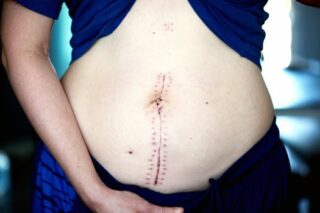
If you or someone you know is preparing for or recovering from a subtotal colectomy, it’s essential to understand what this procedure involves and the journey towards healing. A subtotal colectomy is a surgery where a portion of the colon is removed, often as a treatment for conditions like chronic ulcerative colitis or colorectal cancer. This guide will walk you through the recovery process, offering insights and tips to support your healing journey.
Understanding Subtotal Colectomy
A subtotal colectomy involves the surgical removal of part of the colon. This procedure is typically recommended when less invasive treatments have not been successful, or when the risk of disease progression is high. It aims to alleviate symptoms, prevent complications, and improve the patient’s quality of life. The extent of colon removal can vary, depending on the condition being treated.
Post-Surgery Recovery
Recovering from a subtotal colectomy requires patience and care. Hospitals usually keep patients for a few days post-surgery for monitoring. During this time, medical staff will ensure that pain management and nutritional support are adequately addressed. It’s common for patients to start on a liquid diet, gradually moving to more solid foods as their digestive system adjusts.
Nutritional Considerations
After surgery, maintaining a balanced diet is crucial. Since part of the colon is removed, the patient’s digestive system may not absorb nutrients as efficiently. Therefore, incorporating nutrient-dense foods can help support recovery. Consulting with a dietitian who can customize a meal plan suited to new dietary needs is often beneficial.
For further insights into digestive health and the potential effects of this type of surgery, consider exploring related topics in gastrointestinal health.
Activities and Exercise
Returning to normal activities gradually is vital for post-operative recovery. Light movements, such as walking, are encouraged to promote circulation and prevent blood clots. However, strenuous exercise and heavy lifting should be avoided until a healthcare provider gives the green light.
Monitoring and Follow-Up Care
Regular follow-up appointments with healthcare providers are critical after a subtotal colectomy. These visits allow doctors to monitor healing progress, address any complications early, and adjust treatment plans as necessary. Patients should communicate openly about any concerns such as unusual pain, fever, or digestive issues.
Emotional and Psychological Support
The journey of recovering from a subtotal colectomy isn’t just physical; it can also be a significant emotional adjustment. It’s normal to feel a range of emotions, from relief to anxiety. Engaging with support groups or a therapist familiar with post-surgical recovery can provide solace and strategies to handle these feelings.
Potential Complications and When to Seek Help
While many patients recover without significant issues, being aware of potential complications is crucial. These may include infections, blockages, or reduced bowel function. Immediate medical attention should be sought if symptoms like persistent fever, severe abdominal pain, or excessive bleeding occur.
Additional reliable information can be found on the Wikipedia page about colectomy, which provides a comprehensive overview of this surgical procedure.
As you or your loved one progresses through recovery, remember that healing is a gradual process. Medical teams are there to support and guide you every step of the way, ensuring the best possible outcome after a subtotal colectomy.
- Subtotal colectomy involves the removal of part of the colon.
- Recovery requires attention to diet, activity levels, and emotional health.
- Regular monitoring and follow-up care are crucial for successful healing.
- Seek professional guidance for nutritional and psychological support.
- Be aware of complications and know when to seek medical attention.
What is a subtotal colectomy?
A subtotal colectomy is a surgical procedure that involves the removal of a portion of the colon. It is typically performed to treat severe conditions like chronic ulcerative colitis, Crohn’s disease, or colorectal cancer.
What should I eat after a subtotal colectomy?
Post-surgery, a dietitian can help tailor a diet to ensure you receive the necessary nutrients. Initially, a liquid diet is recommended, gradually moving to small, more solid meals as your body adjusts. Focus on easily digestible, nutrient-rich foods.
How long does recovery take after a subtotal colectomy?
Recovery varies for each individual but typically ranges from several weeks to a few months. During this time, it’s important to follow medical advice, attend follow-up appointments, and gradually resume normal activities.
Are there long-term effects of a subtotal colectomy?
Most people lead a normal life post-surgery, although some may experience changes in bowel habits and the need for dietary adjustments. Regular medical check-ups can help manage any long-term effects or complications that arise.
When should I contact my doctor during recovery?
Contact your physician if you experience symptoms such as severe abdominal pain, consistent fever, excessive bleeding, or unusual changes in bowel movements. Early intervention can often prevent more serious complications.
Other Articles You May Find of Interest...
- Why You Get Stomach Bloating and Gas After Eating Meat
- Why Does Chick-fil-A Make My Stomach Hurt?
- Dr. Omar Marar on the Evolution of Modern Colorectal Surgery
- Pain Where Your Appendix Was Removed Years Ago: Possible Causes
- Why Multi-Strain Probiotics May Offer Broader Digestive Support
- What a Healthy Colon Looks Like During Colonoscopy
- A Better Digestive Rhythm: Everyday Habits for Preventing Occasional Constipation





