More Podiatry Foot Care Articles
Signs Your Toenail Fungus Is Healing: How to Know If It’s Dying
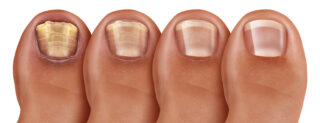
Toenail fungus, a common ailment affecting many individuals, can be both unsightly and uncomfortable. If you are undergoing treatment, understanding how to know if toenail fungus is dying is essential. Recognizing the signs of healing can be encouraging and guide you in continuing effective treatments. In this article, we’ll delve into the indicators of toenail fungus recovery, helping you stay informed and proactive.
How to Know If Toenail Fungus Is Dying
To assess whether your toenail fungus is healing, begin by observing changes in the nail’s appearance. Healthy nails should gradually replace affected areas. Look for a reduction in discoloration; as the health of the nail improves, the yellow, brown, or white discoloration characteristic of fungal infections should diminish. Your nail may also begin to regain its natural transparency.
Another sign that the fungal infection is dying is the improvement in texture. If your nail was thick and brittle, a softening and evening out of the surface can indicate healing. Additionally, the new growth from the nail bed should appear clearer and healthier compared to the previously infected sections.
Understanding what healthy nail regrowth looks like can help you recognize changes as the affected portion of the nail gradually grows out.
Decreased odor is another positive sign. Fungus infections often produce a distinctive smell. If the odor lessens, this may suggest the fungus is receding. Continued observation of the affected nails over weeks or months will help confirm these positive developments.
Steps and Monitoring in Fungal Recovery
It’s important to maintain a consistent treatment routine while observing these signs. Treatments for toenail fungus can be topical, oral, or a combination, depending on the severity. Common treatments involve antifungal creams, ointments, or prescription medications suggested by healthcare professionals.
Regularly inspecting your toenails is crucial. Keep them trimmed, clean, and dry to promote faster healing. A well-maintained nail environment inhibits fungal growth and supports the natural healing process. Consistent care with prescribed treatments enables you to see continued improvement.
Consultation with a healthcare provider can offer personalized advice and a treatment regime tailored to your condition. They can provide updates or modify your treatment plan based on progress, ensuring the most effective path to recovery.
Healthy Habits to Prevent Re-Infection
Maintaining healthy habits can prevent future fungal infections. Everyday actions such as wearing breathable footwear and changing socks regularly are simple yet effective prevention strategies. Ensuring your feet remain dry and clean helps to eliminate conditions that foster fungal growth.
Consider the impact of lifestyle choices on your overall foot health. Adopting healthy lifestyle habits contributes positively not only to your feet but your entire wellbeing.
Long-Term Outlook and Patience
Nail fungus recovery is gradual. Patience and perseverance are key during this process. The time it takes for a toenail to completely heal depends on several factors, including the extent of the infection and the body’s response to treatment. Ensuring consistent follow-up allows you to effectively track progress, maintain motivation, and prevent any potential setbacks.
It is possible to achieve clear, healthy nails with appropriate treatment and care. Regular communication with a healthcare provider not only keeps the recovery process on track but also reinforces confidence in the treatment’s efficacy.
Additional Resources
Understanding how to know if toenail fungus is dying empowers you to take charge of your treatment journey. Recognizing these signs of healing keeps you motivated and committed to achieving healthier nails.
- Look for less discoloration and clearer nail regrowth.
- Notice improvements in nail texture and reduced odor.
- Ensure consistent and proper nail care.
- Track progress and consult with healthcare professionals.
- Adopt preventative habits to maintain foot health.
Frequently Asked Questions
What are the first signs that toenail fungus is healing?
The first signs typically include reduced discoloration and improved clarity in the new nail growth. The texture may become smoother, and any associated odor could lessen.
How long does it usually take for toenail fungus to heal?
Healing time varies and can take several months. It often depends on the severity of the infection and the effectiveness of the treatment used.
Can over-the-counter treatments be effective against toenail fungus?
Over-the-counter antifungal treatments can be effective for mild infections. For more serious cases, prescription medication might be necessary, so consulting a healthcare provider is advisable.
What preventive measures can help avoid toenail fungus?
Wearing breathable footwear, maintaining good foot hygiene, and regularly changing socks are effective preventive measures against toenail fungus.
Should I continue treatment even after symptoms improve?
Yes, completing the full course of treatment is recommended to ensure complete eradication of the fungus and to prevent re-infection.
Other Articles You May Find of Interest...
- 8 Ways to Remove Dead Skin From Feet: A Chronic Cracked-Heel Rescue Plan
- Lowering the Risk Of Stress Fractures
- Sharp, Stabbing Big Toe Pain at Night: Common Causes
- Topical, Oral or Laser: Comparing Nail Fungus Treatments in 2026
- A Twisted Ankle or Something More? When an Injury Needs a Closer Look
- Style Should Not Hurt: Finding Shoes That Fit Your Feet
- When Sinus Tarsi Syndrome Requires Surgery