






More Beauty Skin Care & Gorgeous Smiles Articles
What is Stucco Keratosis and How Can You Manage It?
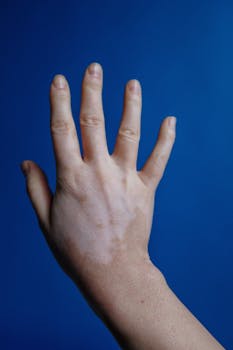
Stucco keratosis is a common skin condition characterized by small, white or grayish scaly patches. These patches are typically found on the lower extremities and are often seen in older adults. While stucco keratosis is generally benign and asymptomatic, understanding how to identify and manage it can be beneficial for maintaining skin health.
What is Stucco Keratosis?
Stucco keratosis refers to a type of benign skin lesion. These lesions are typically seen as small, rough bumps, often appearing on the feet, ankles, and lower legs. The condition is called “stucco” because the lesions resemble the texture of stucco used in construction. Despite their appearance, these lesions are generally harmless and do not require treatment unless they become bothersome.
Causes and Risk Factors
While the exact cause of stucco keratosis is not well understood, several factors seem to be associated with its development. Age is a significant factor, as the condition is more prevalent among older adults. Other factors include prolonged sun exposure and a genetic predisposition to skin conditions. Men are also more likely to develop stucco keratosis than women.
Symptoms and Diagnosis
The primary symptom of stucco keratosis is the appearance of multiple small, white or grayish lesions on the skin. These lesions are usually painless and often go unnoticed. To diagnose stucco keratosis, a healthcare provider will typically perform a visual examination. In rare cases, a skin biopsy may be conducted to confirm the diagnosis and rule out other skin conditions.
Managing Stucco Keratosis
Although stucco keratosis is generally harmless, some individuals may choose to manage the condition for cosmetic reasons or to prevent potential irritation. Management strategies include gentle exfoliation, moisturizing creams, and in some cases, topical treatments recommended by a dermatologist. It’s essential to avoid picking at the lesions to prevent infection or scarring.
When to Seek Medical Advice
While stucco keratosis is usually benign, it’s important to consult a healthcare provider if there are changes in the appearance of the lesions or if you experience symptoms such as itching, bleeding, or pain. In some cases, a healthcare provider might suggest treatment options to improve the skin’s appearance or address any discomfort.
For more information on related skin conditions and when to seek medical advice, read about recognizing signs you should notice.
Preventive Measures
Although it’s not always possible to prevent stucco keratosis completely, maintaining good skin health can help. Regular moisturizing, protecting skin from excessive sun exposure, and avoiding skin irritation can contribute to overall skin well-being. Additionally, maintaining a healthy lifestyle with a balanced diet and regular exercise supports skin health over time.
Living with Stucco Keratosis
Since stucco keratosis is a benign condition, many people live with it without any significant impact on their quality of life. Understanding the condition and the management options can help ease any cosmetic or psychological concerns. Consulting a dermatologist can provide personalized recommendations to address individual needs effectively.
For a broader understanding of health conditions and their management, you may find additional information at Wikipedia’s health page.
Stucco keratosis may not be a cause for concern for most people, thanks to its benign nature. However, awareness and preventive measures can help manage the condition effectively. Look out for any changes in your skin lesions and consult healthcare professionals if necessary. Keeping your skin healthy and well-nourished can significantly aid in managing stucco keratosis and promoting overall skin health.
- Stucco keratosis is a common, benign skin condition.
- It primarily affects older adults, appearing as small, white or grayish lesions.
- Management includes gentle skincare routines and avoiding irritation.
- Consult a dermatologist for personalized advice if symptoms change or persist.
- Regular moisturizing and skin protection may help prevent lesion irritation.
What causes stucco keratosis?
The exact cause of stucco keratosis is unknown, though factors such as age, sun exposure, and genetics may contribute to its development.
Is stucco keratosis harmful?
Stucco keratosis is typically benign and asymptomatic, posing no significant health risks. However, changes in the lesions should be evaluated by a healthcare provider.
Can stucco keratosis be treated?
While treatment is not usually necessary, options for cosmetic or symptomatic management include topical lotions, gentle exfoliation, and, if recommended, dermatological procedures.
How can I prevent stucco keratosis?
Preventive measures include maintaining proper skin care, minimizing sun exposure, and avoiding skin irritation through protective clothing and regular moisturizing.
Should I see a doctor for stucco keratosis?
If you notice changes in your lesions or experience symptoms like itching or bleeding, scheduling a consultation with a healthcare provider can ensure proper management and peace of mind.
Other Articles You May Find of Interest...
- Questions to Ask Before Any Cosmetic Treatment
- The Rise of Mommy Makeover Surgery in Beverly Hills: What Patients Should Know Before Choosing a Surgeon
- A Patient’s Guide to Setting Realistic Expectations for Cosmetic Surgery
- Chemical Peels, Microneedling, and Lasers: How to Choose the Right Resurfacing Treatment for Your Skin
- Not All Halal Collagen Powders Are the Same
- How Long Does Bactrim Take to Clear Acne?
- Narrowband UVB Therapy: Benefits, Risks, and Best Practices for Patients



