






More Podiatry Foot Care Articles
Rocker Bottom Feet: Causes, Symptoms, and Effective Management Strategies
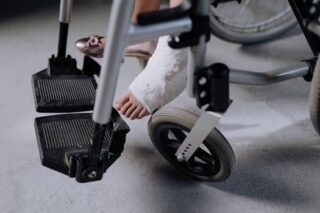
Rocker bottom feet is a term describing a foot deformity characterized by a convex sole, where the middle portion of the foot is abnormally prominent and the arch is absent. This condition can cause mobility issues and discomfort and is often indicative of underlying congenital or acquired disorders. Understanding the causes, symptoms, and management strategies is crucial for those affected and their caregivers.
What Causes Rocker Bottom Feet?
Rocker bottom feet can result from a variety of conditions, most commonly linked to congenital foot deformities. One of the primary causes is congenital vertical talus, where the talus bone in the foot is abnormally positioned. This condition is often diagnosed in infants and can be associated with genetic syndromes like Down syndrome or arthrogryposis. For adults, rocker bottom feet may develop as a result of acquired conditions such as Charcot foot, which is commonly associated with diabetes and characterized by significant changes in the structure of the foot.
Symptoms of Rocker Bottom Feet
The symptoms may vary depending on the severity and underlying cause of the condition. Common symptoms include:
- An obvious outward curve in the middle of the foot.
- Difficulty in wearing regular shoes due to the foot shape.
- Decreased mobility and stability while walking.
- Pain or discomfort during physical activities.
Effective Management Strategies for Rocker Bottom Feet
Addressing rocker bottom feet involves a combination of non-surgical and surgical strategies, depending on the age of the patient and severity of the condition.
Non-Surgical Options
In infants or young children, non-surgical options like serial casting are commonly employed. This involves applying a series of progressively changed casts to gradually correct the foot’s position. For older children and adults, custom orthotics can provide support and improve walking comfort. Physical therapy is also beneficial and can help strengthen the muscles and enhance mobility.
Surgical Interventions
Surgical treatment may be necessary for more severe cases, particularly if non-surgical methods are not successful. Procedures may involve repositioning bones, lengthening tendons, or correcting the alignment of the foot. Post-surgery, rehabilitation and regular follow-up with healthcare providers are essential to ensure successful outcomes.
Living with Rocker Bottom Feet
Adapting to life with rocker bottom feet can be challenging, but there are several ways to manage the condition effectively. Implementing supportive footwear, engaging in regular physical therapy, and making necessary lifestyle adjustments are key components of ongoing management. Exploring how lifestyle choices impact overall health can also contribute to better managing the symptoms associated with rocker bottom feet.
Consulting healthcare professionals is crucial for receiving personalized management plans tailored to individual needs. Encouraging open communication with caregivers and specialists can enhance the quality of life for individuals with rocker bottom feet.
Additional information on rocker bottom feet, treatment options, and associated conditions can be found on Wikipedia’s health page.
- Rocker bottom feet involves a notable deformity affecting foot shape and mobility.
- Causative factors range from congenital to acquired conditions.
- Management includes both non-surgical and surgical interventions.
- Ongoing care involves support, therapy, and appropriate footwear.
- Consult healthcare professionals for individualized treatment plans.
What is the primary cause of rocker bottom feet?
The primary cause of rocker bottom feet is often congenital vertical talus, a condition present at birth affecting the positioning of the talus bone in the foot.
Can adults develop rocker bottom feet?
Yes, adults can develop rocker bottom feet, typically as a result of conditions such as Charcot foot, often associated with diabetes and resulting in significant structural changes in the foot.
What symptoms indicate rocker bottom feet in children?
Symptoms in children may include a noticeable outward curve of the foot, difficulties in wearing regular shoes, and potential mobility challenges.
Are there non-surgical treatments available for rocker bottom feet?
Yes, non-surgical treatments include options like serial casting in infants, custom orthotics for older children and adults, and physical therapy to improve strength and mobility.
Is surgery always necessary for rocker bottom feet?
Surgery is not always necessary. It depends on the severity of the condition. Non-surgical treatments are often effective, but more severe cases may require surgical intervention to reposition bones and correct deformities.
Other Articles You May Find of Interest...
- What Causes Gout in the Ankle?
- What Makes Custom Orthotics Different From Personalized Insoles?
- Tibialis Anterior Tendon Pain: Causes, Treatment, and Recovery
- What Causes Pain on the Lateral Side of the Foot?
- 8 Ways to Remove Dead Skin From Feet: A Chronic Cracked-Heel Rescue Plan
- Lowering the Risk Of Stress Fractures
- Sharp, Stabbing Big Toe Pain at Night: Common Causes





