More Dental Health Articles
When Can I Safely Use a Straw After Tooth Extraction?
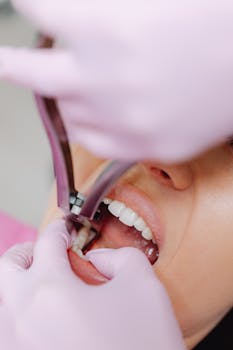
After undergoing tooth extraction, many people wonder about the appropriate timeline for resuming normal activities, including the use of drinking straws. How long after tooth extraction can I use a straw? The timing can impact your healing process significantly. In this article, we’ll explore the reasons why it is essential to wait, the timeline for safe straw use, and other important tips for ensuring a smooth recovery.
How Long After Tooth Extraction Can I Use a Straw?
It is generally recommended to avoid using a straw for at least a week following a tooth extraction. The act of sucking can dislodge the blood clot that has formed in the tooth socket, leading to a condition known as dry socket. This painful condition can delay healing and may require further treatment by your dentist or oral surgeon.
Why Avoid Straws After Tooth Extraction?
The primary concern with using a straw after tooth extraction is the potential disruption of the healing process. Here are some key reasons to avoid using a straw:
- Prevent Dry Socket: The suction created when drawing liquid through a straw can dislodge the protective blood clot at the extraction site.
- Reduce Pressure: Straw use generates pressure in the mouth, which can interfere with the healing tissues.
- Minimize Risk of Infection: Maintaining the integrity of the clot helps protect the wound from bacterial exposure.
Alternatives to Using a Straw
During your recovery, there are several alternative methods to consume liquids without the risk associated with straw use:
- Cups or Glasses: Drinking directly from a cup or glass reduces suction efforts and allows liquids to flow naturally into your mouth.
- Spoons: For thicker liquids or smoothies, using a spoon can be effective in ensuring adequate hydration and nutrition without suction.
- Flexible Bottles: Squeeze bottles can be a convenient way to control the flow of liquid without using a straw.
Engaging in Safe Oral Hygiene
Maintaining proper oral hygiene is crucial for recovery, yet it requires gentle care to avoid disrupting healing. Here are some general tips:
- Soft Rinsing: Use warm salt water to gently rinse your mouth starting 24 hours after surgery.
- Avoid Brushing the Site: Until the surgical area has sufficiently healed, be cautious not to brush or disrupt the site.
- Avoid Smoking: Smoking can impede healing and exacerbate complications like dry socket.
Understanding the Healing Timeline
The healing period can vary based on individual circumstances, including the complexity of the extraction and personal health factors. However, common guidelines suggest:
- Initial 24 Hours: Clot formation occurs; ice packs and rest are recommended.
- 48 to 72 Hours: Swelling and discomfort peak; soft foods and hydration are crucial.
- Week 1: Transition back to normal activities with caution regarding diet and oral care.
Seeking Professional Guidance
Each person’s healing experience can differ, so it is advisable to follow up with your dentist or oral surgeon to confirm that healing is progressing as anticipated. For further advice related to dental health, you can explore this article on TMD from a woman’s perspective.
Final Thoughts on Healing After Tooth Extraction
Understanding how long after tooth extraction can I use a straw is an essential component of a smooth recovery. Adhering to recommended guidelines can aid in preventing complications such as dry socket and contribute to a successful healing process.
For more comprehensive guidelines, consider visiting credible sources to learn more, such as this resource on health topics.
- Avoid using a straw for at least one week after extraction.
- Straightforward drinking methods are recommended.
- Minimize activities that create oral pressure.
- Practice gentle oral hygiene and quit smoking.
- Consult your dental professional for personalized advice.
FAQs
Why is it dangerous to use a straw after tooth extraction?
The suction can remove the blood clot, leading to complications like dry socket and delayed healing.
What are some suitable alternatives for drinking without a straw?
Using cups, spoons, or squeeze bottles are safe alternatives to manage fluid intake.
When can I resume normal eating and drinking habits?
While individual recovery varies, most people can return to regular habits within a week with guidance from their dentist.
What should I do if I suspect a dry socket?
Contact your dentist immediately for evaluation and appropriate treatment to manage pain and aid healing.
How can I ensure optimal oral hygiene during recovery?
Rinse mouth gently with salt water, avoid the extraction area while brushing, and refrain from alcohol-based mouthwashes.
Other Articles You May Find of Interest...
- What Goes Into Developing an Alcohol-Free Mouthwash Beyond the Ingredient List
- 6 Best Dentist Options in Reston, Virginia for Family, Cosmetic, and Emergency Care
- Why Comprehensive Dental Care Matters at Every Stage of Life
- Why Preventive Dental Care Matters at Every Stage of Life
- Colored Braces: A Practical Guide for Teens and Parents in the UAE
- Brushing Teeth for Kids: Secrets to Making Healthy Habits Actually Stick
- Why Preventive Dental Care Matters More Than Most People Realize