






More Pain Management & Rehabilitation Articles
Is Your Spine Bamboo-Like? Exploring the Impacts of Bamboo Spine on Health
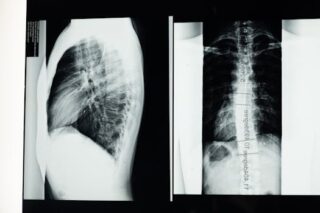
When people hear the term “bamboo spine,” they might not immediately understand its implications for health. This condition, characterized by the appearance of a spine that resembles a bamboo stick on X-ray, is associated with a type of arthritis called ankylosing spondylitis. It involves inflammation that can lead to the fusion of vertebrae, severely affecting mobility and posture.
Understanding Bamboo Spine
Bamboo spine is most commonly linked to ankylosing spondylitis, a chronic inflammatory condition. The inflammation primarily affects the spine and the sacroiliac joints, where the spine meets the pelvis. Over time, this inflammation may lead to pain, stiffness, and in severe cases, the vertebrae can fuse together, creating that characteristic bamboo-like appearance seen in X-rays.
The progression of ankylosing spondylitis and the development of bamboo spine can significantly impact one’s overall health. During the early stages, patients might experience persistent back pain and morning stiffness that improves with exercise but worsens with rest. As the disease progresses, fusion of the vertebrae may lead to a loss of flexibility and changes in posture, possibly resulting in a stooped-forward stance.
Impacts of Bamboo Spine on Health
The impact of bamboo spine on health extends beyond back pain and stiffness. Individuals with this condition may face challenges in their daily activities due to a limited range of motion. This can affect their ability to perform physical tasks, impact their balance, and increase the risk of fractures due to altered biomechanics of the spine.
Furthermore, ankylosing spondylitis can have systemic effects on the body. Patients might experience uveitis, a form of eye inflammation, or gastrointestinal issues, as these are potential complications associated with the inflammatory nature of the disease. Additionally, some patients have an increased risk of cardiovascular issues, which underscores the importance of holistic management of the condition.
Managing Bamboo Spine
Effective management of bamboo spine involves a combination of medication and lifestyle adjustments. Nonsteroidal anti-inflammatory drugs (NSAIDs) are often prescribed to reduce inflammation and alleviate pain. In some cases, biologic drugs may be recommended to slow disease progression and manage symptoms more effectively.
Incorporating regular exercise can play a crucial role in maintaining mobility and reducing stiffness. Physical therapy sessions are often tailored to improve posture and range of motion. Stretching exercises, swimming, and yoga are particularly beneficial in managing symptoms and enhancing quality of life.
For further insights into the role of healthy lifestyle choices in managing chronic conditions, you can explore how lifestyle choices impact our overall health.
Dietary Considerations
Although diet alone cannot cure bamboo spine, it can help support overall health and reduce inflammation. Anti-inflammatory diets rich in omega-3 fatty acids, such as those found in fish and flaxseeds, alongside a variety of fruits and vegetables, may be beneficial. Reducing the intake of processed foods and sugars can also contribute to better inflammation control.
Support and Resources
Living with bamboo spine can be challenging, but support is available. Joining a community or support group can provide both emotional and practical assistance. Sharing experiences with others who understand the condition can help in coping with its challenges and in finding new strategies for daily living.
More educational resources and support can be found through organizations such as the Spondylitis Association of America, or by consulting with healthcare providers specializing in rheumatology.
As our understanding of bamboo spine evolves, ongoing research continues to offer hope for more effective treatments. Patients are encouraged to keep abreast of new developments and to engage actively with their healthcare providers to manage their conditions effectively.
In conclusion, bamboo spine is a significant condition linked to ankylosing spondylitis that requires attentive management. By combining medical treatments with lifestyle modifications, individuals can enhance their quality of life and mitigate some of the health impacts associated with this condition.
- Bamboo spine is linked to ankylosing spondylitis, causing inflammation and potential spine fusion.
- Symptoms include back pain, stiffness, and potential complications involving eyes and digestion.
- Management includes medication, exercise, and a supportive diet.
- Support groups and healthcare providers are valuable resources.
- Regular check-ups and staying informed on research developments are important.
What is bamboo spine?
Bamboo spine is a condition where the spine takes on a bamboo-like appearance due to the fusion of vertebrae, often caused by ankylosing spondylitis.
What are the early symptoms of bamboo spine?
Early symptoms include persistent back pain and stiffness, particularly in the morning, which may improve with physical activity.
How is bamboo spine diagnosed?
Diagnosis typically involves medical history, physical examination, imaging tests such as X-rays, and sometimes blood tests for inflammatory markers.
Can diet help in managing bamboo spine?
While diet cannot cure bamboo spine, an anti-inflammatory diet rich in omega-3s and low in processed foods may help reduce inflammation.
Are there any long-term complications of bamboo spine?
Long-term complications can include reduced mobility, changes in posture, and increased risk of fractures and cardiovascular issues. Regular medical supervision is crucial.
Other Articles You May Find of Interest...
- Effective Pain Relief: Discover the Benefits of Combining Pain Relievers with Muscle Relaxers
- Managing Pain Effectively with 800 mg Naproxen: Benefits and Considerations
- A New Era of Care: Understanding the Benefits of Regenerative Medicine
- Exploring Alternatives: What Are the Options Stronger Than Loperamide?
- Navigating the Side Effects of Flexeril 5 mg for Safer Use
- Choosing the Right Muscle Relaxant for Sciatica: Robaxin or Flexeril?
- Is Robaxin the Solution for Your Back Pain Relief?



