More Acupuncture Articles
Exploring the Benefits of Subcutaneous Injections for Your Health
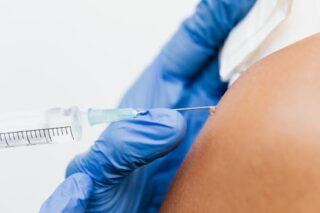
Subcutaneous injections, often referred to as “subq,” are a method of administering medications just under the skin. This technique is commonly used for a variety of medical conditions and treatments, offering an effective alternative to other administration routes. Subq injections are easy to learn, making them suitable for both healthcare professionals and patients who need to manage treatments at home. In this article, we will explore the benefits of subq injections, their uses, and how they work to support health and wellness.
Understanding Subq Injections
Subq, or subcutaneous injections, involve delivering medications or fluids into the tissue layer between the skin and muscle. This method allows for slow and steady absorption into the bloodstream. It’s ideal for medications that require a gradual release or need to be administered in smaller doses. Common uses for subq injections include insulin for diabetes, growth hormone therapies, and certain vaccines.
Advantages of Subq Injections
One of the primary advantages of subq injections is their simplicity and ease of use. Unlike intravenous methods, subq injections can be administered without extensive training or complex equipment. This makes them particularly useful for self-administration by patients at home. Additionally, subq injections are less painful than intramuscular injections and have a lower risk of causing damage to major blood vessels or nerves.
Common Uses for Subq Injections
Subq injections are widely used for managing chronic conditions like diabetes, where insulin must be administered regularly. They are also used in hormone replacement therapies, cancer treatments, and allergy shots. Some vaccines are delivered subcutaneously to ensure a slower release, providing ongoing immunity.
Furthermore, subq injections are sometimes used in weight management programs. Patients looking to maintain healthy body weight can learn more about related approaches by exploring weight management strategies that involve lifestyle changes, medication, and proper nutrition.
Considerations for Subq Injections
While subq injections are generally safe, they do require proper technique to avoid complications such as infections or injection site reactions. Patients should consult a healthcare provider to learn the correct method and receive guidance specific to their treatment.
It’s also crucial to rotate injection sites to prevent skin irritation and ensure even absorption. Typical sites for subq injections include the abdomen, upper arms, and thighs.
Potential Side Effects and Precautions
Subq injections are associated with minimal side effects, but some individuals may experience redness, swelling, or bruising at the injection site. These are typically mild and resolve on their own. However, if severe reactions occur, it’s essential to seek medical attention.
Patients should also be aware of any medication-specific side effects and consult with their healthcare provider for advice tailored to their individual health needs. For further information on subcutaneous injections, you can access resources like the Wikipedia article on subcutaneous injection.
The Role of Subq Injections in Modern Medicine
In modern medicine, subq injections play a vital role in patient care and treatment. They provide an effective and accessible option for medication administration, ensuring patients maintain their health regimens with ease. This administration route continues to be an essential part of therapeutic strategies, emphasizing the importance of understanding its use and benefits.
In conclusion, subq injections offer numerous advantages for both patients and healthcare providers. By providing a straightforward and less invasive method of delivering medications, they play a key role in managing various health conditions effectively. If you’re considering this method of treatment, consult your healthcare provider to learn more about its potential benefits for your specific needs.
- Subq injections are an effective method for delivering medications just under the skin.
- Commonly used for diabetes, hormone therapies, and certain vaccines.
- They offer a simple, pain-reducing alternative to other injection methods.
- Proper technique and site rotation are essential to minimize complications.
- Consult a healthcare provider to determine suitability for your treatment.
What are subq injections used for?
Subq injections are primarily used for delivering insulin, hormone therapies, some vaccines, and other medications that require gradual absorption.
Are subq injections painful?
Compared to intramuscular injections, subq injections tend to be less painful due to their shallow depth and smaller needle size.
Can I administer subq injections at home?
Yes, with proper training from a healthcare provider, many patients can self-administer subq injections safely at home.
Where is the best site for a subq injection?
Common injection sites include the abdomen, upper arms, and thighs. Rotating these sites helps prevent irritation and ensures effective medication absorption.
What should I do if I notice redness or swelling after a subq injection?
Mild redness or swelling is common and typically resolves on its own. However, if you experience severe reactions, contact your healthcare provider immediately.
Other Articles You May Find of Interest...
- Dry Needling vs. Acupuncture: Similar Needles, Different Goals
- Ear Seed Points and What Each One Targets
- How to Cup at Home Without Hurting Yourself
- The Nutritional Value of Raw Oysters: How Many Calories Are in Them?
- Understanding Skeletal System Diseases and Common Bone Conditions
- Empowering Your Heart Health: Exploring the Benefits of DCCV
- Exploring the Benefits of Int Capsules for Your Health