More Women's Health & Beauty Articles
Embracing Your Body: The Truth About Hip Dips
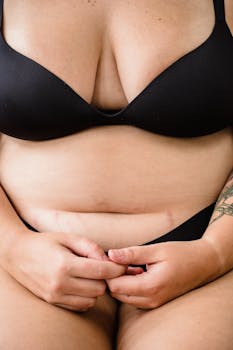
Hip dips are a natural part of the body’s anatomy that can sometimes be misunderstood or misrepresented. These indentations or inward curves along the side of your body just below the hip bone are known as hip dips, and they can add a unique character to your physique. While some may wonder if they can be minimized or enhanced through exercise or diet, the truth is that hip dips are largely determined by your bone structure and the distribution of muscle and fat throughout the body.
Understanding Hip Dips
Hip dips, also known as violin hips, are completely normal and are a part of your skeletal frame. They occur where the skin is attached, or tethered, to the deeper part of your thigh bone, known as the trochanter. This indention is a natural part of human anatomy, much like having dimples or the space between your fingers.
For some people, hip dips are more pronounced due to genetics and body composition. Weight and body fat distribution can make them more noticeable, but they aren’t indicators of one’s health or fitness level. Embracing your unique body structure, including your hip dips, can lead to greater self-acceptance and a healthier body image.
Addressing Myths and Misconceptions
There’s a lot of misinformation about hip dips, particularly in social media circles. One common myth is that specific exercises can eliminate them. While exercising can enhance muscle tone and change the appearance of your hips, it won’t alter the bone structure or the natural hip dip curvature.
Similarly, diet alone can’t eliminate hip dips. While a balanced diet can contribute to overall health and potentially reduce body fat, it can’t change your body’s inherent shape. For further insights into how lifestyle choices affect health, you can visit our detailed guide on lifestyle impacts on health.
Tips for Embracing Your Body
Embracing and accepting your natural body shape, including hip.dips, can lead to a more positive self-image. Here are some tips to help you along the way:
- Focus on how your body feels rather than how it looks.
- Engage in activities that promote body positivity such as yoga or dance.
- Surround yourself with body-positive influences on social media and in real life.
- Practice self-compassion and mindfulness techniques to enhance your mental wellbeing.
Exercises That May Support Body Balance
Engaging in regular physical activity can improve overall body balance and help tone muscles around the hips, which may affect the appearance of hip dips indirectly. Some exercises target the gluteal muscles and the surrounding regions, such as:
- Side lunges
- Glute bridges
- Clamshells
- Squats
These exercises focus on building core and lower body strength which can support the hip area. However, remember that exercises like these won’t eliminate hip dips completely but may enhance overall muscle tone.
Seeking Support and Resources
If you’re struggling with body image issues related to hip dips, consider seeking support from mental health professionals who can help you navigate these feelings. Connecting with others who share similar experiences might also provide comfort. For comprehensive health information, the Wikipedia Health page offers a wide range of resources.
Conclusion on Hip Dips
Hip dips are a natural and beautiful part of your unique anatomy. Embracing them is an empowering step towards self-acceptance. Remember that making lifestyle changes like engaging in regular exercise and maintaining a balanced diet can contribute to your overall health. However, these won’t alter anatomical features like hip dips, so it’s important to appreciate your body just the way it is.
- Hip dips are a normal part of human anatomy.
- Exercise and diet can influence overall body composition but not eradicate hip dips.
- Body positivity and self-acceptance are key to embracing your hip dips.
- Engage in exercises that promote muscle tone for a stronger core and hips.
- Look to supportive communities and resources for additional guidance and help.
FAQs About Hip Dips
What are hip dips?
Hip dips are the inward curves found on the side of the body just below the hip bone, forming a natural part of your skeletal structure.
Can exercises eliminate hip dips?
Exercises can enhance muscle tone around the hips and trunk but cannot eliminate hip dips as they are part of your bone structure.
Is there a specific diet to reduce hip dips?
No specific diet can reduce hip dips, but maintaining a healthy diet supports overall wellness which may influence body composition.
Are hip dips a sign of poor health?
Hip dips are not an indicator of poor health. They are a natural variation in body shape and structure.
How can I feel better about my hip dips?
Embrace your unique body shape by fostering self-acceptance and body positivity, and consider speaking with a mental health professional if needed.
Other Articles You May Find of Interest...
- The Science Of Firmer, More Radiant Skin
- How Acupuncture Supports Women’s Health
- Women and Gorgeous Smiles
- The Forgotten Pillar Of Total Wellness
- Menopause at Work: Why Women’s Health Is Becoming a Workplace Issue
- Heavy Menstrual Bleeding: Common Causes, Warning Signs and When to See a Gynecologist
- Low Albumin During Pregnancy: Common Causes and When It Matters