More Cancer Awareness Articles
7 Approaches To Enhance Orthopedic Care For Cancer Patients
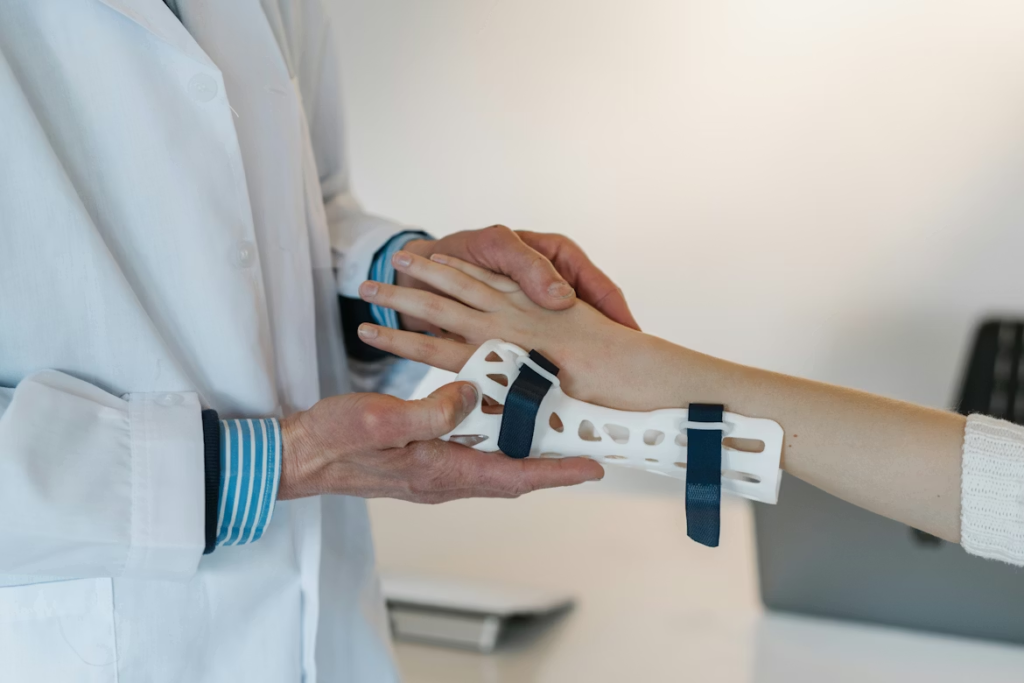
Orthopedic teams play a key role in the quality of life for people living with cancer. The right plan can reduce pain, protect mobility, and prevent emergencies that disrupt treatment. These seven approaches help you build a safer, faster pathway from diagnosis to daily function.
Build a coordinated bone health pathway
Start with a shared map of care that connects oncology, orthopedics, radiation, palliative care, rehab, and nursing. Use a single intake form for bone pain, weakness, falls, and prior fractures, and encourage staff to share insights gathered at oncology and cancer-focused events to keep protocols current. Define when each service steps in, and what information must move with the patient.
Set trigger points for urgent action so the team does not rely on gut feel. Document red flags that require same-day evaluation, like new numbness, bowel or bladder changes, or sudden limb deformity. Keep the pathway to one page so people actually use it.
- Core elements of the pathway
- Standardized screening questions for bone pain and instability
- Clear rules for imaging and urgent consults
- Named contacts for after-hours issues
- Handoff checklist between clinic, infusion, and radiology
Use evidence-guided radiation planning to prevent complications
Some patients with high-risk bone metastases face fractures or spinal events that derail systemic therapy. A current phase III U.S. clinical trial is testing whether adding radiation therapy to usual care reduces bone-related complications in high-risk but asymptomatic cases, which reflects a shift toward prevention rather than rescue. Discuss likely timelines early and align radiation windows with systemic regimens and surgery when needed.
Practical triage for prophylactic treatment
Work from a simple set of cues: lesion location, percentage of cortical destruction, mechanical pain with loading, and any neurologic signs. Map treatment around planned hardware so healing is not delayed. Record goals in plain language so every clinician can reinforce them.
Screen early for skeletal risk and pain
Bone involvement is common across cancers, and small signs matter. A large 2024 analysis across many cancer types found bone metastases in about 5.2% of patients, underscoring the need for routine checks beyond the obvious high-risk tumors. Ask about night pain, pain with weight bearing, and any new weakness at each visit, not just during flares.
Use quick tools that fit the clinic’s pace. The Mirel’s score helps flag impending long bone fractures, while a timed walk and sit-to-stand can reveal risky instability. Build these into nursing intake so data is captured before the visit starts.
Expand virtual support and remote monitoring
Orthopedic needs do not pause between visits. An evidence brief recommended offering technology and telehealth-based interventions to improve psychosocial outcomes for adults with cancer, which pairs well with remote PT check-ins and coaching on protective movement. Keep the tools simple so they work on ordinary phones, and provide a paper backup for patients who prefer it.
- Quick wins for virtual care
- Weekly 5-minute pain and function survey
- Short video tips on safe transfers and stair use
- Photo checks of skin under braces or casts
- Text prompts for red flags that trigger a nurse call
Build a clear response plan, so alerts go to the right clinician. Route skin issues to nursing, gait problems to PT, and hardware pain to orthopedics. Close the loop with a short note in the chart, so the next visit starts with context.
Strengthen fracture prevention and surgical triage
Use a simple rule that fits busy services: stabilize what will break, protect what hurts to load, and watch what is quiet but weak. For long bones, combine imaging with mechanical symptoms to guide prophylactic fixation before a catastrophic fracture. When surgery is unlikely to improve function, align radiation, bracing, and bone-modifying agents to control pain and maintain independence.
Create a rapid consult lane for impending pathologic fractures and spinal red flags. Define who reads the urgent images, who calls the patient, and who books the procedure slot. Track time from flag to intervention so the process stays fast.
Make imaging work harder
Standardize which views are ordered for suspected lesions and what measurements must be reported. Ask radiology to comment on cortical breach, soft tissue extension, and risk features that change management. A short structured report saves calls and repeat scans.
Optimize medications for bone and pain
Coordinate bone-modifying agents with oncology so dosing matches renal function and dental health. Pair scheduled analgesics with bowel plans, sleep hygiene, and nausea control, so pain relief does not trade one problem for another. Set expectations around when pain should ease and what to do if it spikes.
When procedures are planned, set timelines for holding and restarting anticoagulants and antiplatelets. Put the plan in the chart header so every service sees the same rules. Review neuropathic agents for dizziness or gait changes that raise fall risk, and adjust when needed.
Simple medication safety checks
Run a brief med reconciliation at each visit focused on sedatives, steroids, and breakthrough pain plans. Ask about over-the-counter remedies that might thin blood or worsen constipation. Provide a single-page guide patients can keep in a wallet or on the fridge.
Rehab early with load management, bracing, and cues
Rehab belongs at the start, not after the first fall. Teach safe transfers, sit-to-stand strategies, and how to offload a painful limb without losing balance. Have PT or OT assess home hazards and suggest small changes that make movement safer right away.
Safe movement rules patients remember
Keep coaching simple and repeatable. Use a 3-step cue for stairs, a 2-step cue for car transfers, and one clear message about limits on lifting or twisting. Braces should be fitted, rechecked within 1 week, and retired when the risk changes, so patients are not over-restricted.
Check confidence as carefully as strength. Ask where walking feels safe and where it does not, like crowded hallways or wet sidewalks. Balance drills and short practice in real shoes often improve speed and reduce fear in a week.
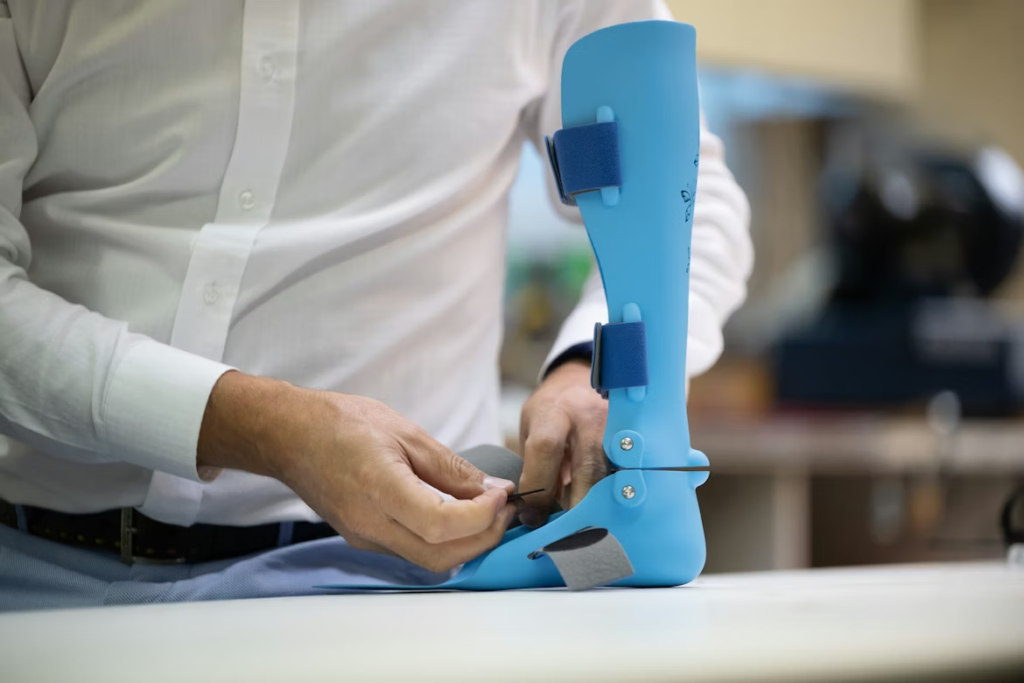
Set the tone by aiming at what patients value most – control of pain, protection of function, and fewer scary surprises. Align roles so no task is orphaned, and celebrate small improvements that shave hours off waits or prevent one fall. When the team works from a single map, acts early, and communicates in short cycles, orthopedic care can lift quality of life through treatment and beyond.
Other Articles You May Find of Interest...
- Can Persistent Diarrhea Be a Sign of Pancreatic Cancer?
- Chondroma: A Usually Benign Tumor of Cartilage
- How Long Do Biopsy Results Take? Typical Waiting Times and Delays
- Can Biting Your Nails Cause Cancer?
- Malignant vs. Metastatic Cancer: The Difference That Matters
- Hyperplasia vs. Dysplasia: How Abnormal Cell Changes Differ
- Neck Pain Around a Chemo Port: Normal Soreness or a Complication?