More Dental Health Articles
Why Early Pediatric Dentistry Visits Matter for Lifelong Oral Health
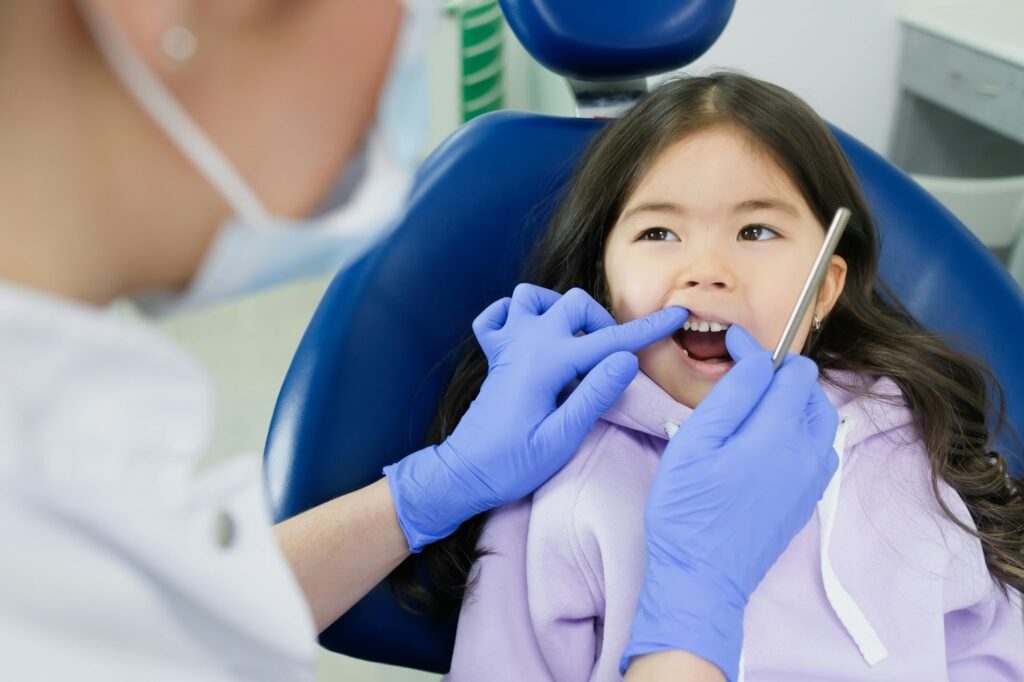
You might wonder why it’s important to take your child to the dentist so early, sometimes before their first birthday. Early visits aren’t just about checking teeth; they set the stage for healthy habits and catch problems before they become serious. Starting dental care young can ease your child’s fears and help you learn the best ways to protect their smile. But what exactly should you expect from those first checkups?
The Ideal Age for a Child’s First Dental Visit
The ideal age for your child’s first dental visit is typically by their first birthday or within six months after their first tooth appears. A Miranda dentist will often recommend this timing, as it aligns with pediatric age guidelines established by dental professionals to guarantee early detection of potential issues. By scheduling the appointment at this stage, you help establish a dental home and familiarize your child with oral care routines. It also gives the dentist a chance to assess growth and development, address parental concerns, and provide guidance on proper oral hygiene and nutrition. Following these pediatric age guidelines helps set the foundation for a lifetime of healthy smiles, making early visits an essential step in your child’s overall well-being.
How Early Checkups Prevent Dental Problems
Early checkups play an essential role in preventing dental problems before they start. When you bring your child in for these visits, an experienced pediatric dentist can identify potential issues early on, allowing for timely intervention. This approach means small concerns don’t have a chance to develop into bigger, more painful problems later. Preventive measures, such as fluoride treatments and sealants, can be applied during these visits to strengthen your child’s teeth and protect against decay. Plus, the dentist will guide you on proper oral hygiene habits tailored to your child’s needs. By prioritizing early checkups, you’re setting up a foundation for your child’s lifelong oral health, reducing the risk of cavities, gum disease, and other complications before they become serious.
Building Comfort and Reducing Fear at the Dentist
Helping your child build comfort during dental visits is just as important as preventing dental issues through early checkups. When your child becomes familiar with the dentist and the environment, it naturally leads to anxiety reduction. You can ease their fears by fostering a positive experience from the start.
Here’s how to support your child’s comfort:
- Schedule introductory visits to boost dentist familiarity without any procedures.
- Use simple, reassuring language to explain what to expect.
- Encourage questions and celebrate small milestones during appointments.
Teaching Effective Oral Hygiene Practices to Kids
Once your child feels comfortable at the dentist, it’s important to teach them effective oral hygiene habits that will protect their teeth for years to come. You can make daily routines enjoyable by turning brushing into a fun brushing activity, using colorful brushes, timers, or songs to keep your child engaged. Encouraging interactive flossing helps them develop skill and confidence in cleaning between teeth, which is essential for preventing cavities. Demonstrate proper techniques and make these moments positive, so your child associates oral care with fun rather than a chore. Consistency and praise will reinforce these habits, setting a foundation for lifelong dental health. Remember, your active involvement and enthusiasm play a huge role in shaping your child’s attitude toward oral hygiene.
Identifying and Managing Early Signs of Tooth Decay
You might not always notice the earliest signs of tooth decay, but catching them quickly can make all the difference. Your pediatric dentist can help identify these subtle changes and recommend treatments that are gentle and effective. By acting early, you can protect your child’s smile and prevent more serious issues down the road.
Early Decay Detection
Although tooth decay can develop silently, early detection plays an essential role in preventing more serious dental problems for your child. By recognizing early warning signs, you can take proactive measures to protect their smile before decay advances. Regular dental checkups allow professionals to spot subtle changes that you might miss at home.
Keep an eye out for: – White or brown spots on teeth, signaling initial enamel damage – Sensitivity to sweet, hot, or cold foods – Minor complaints of discomfort when chewing
Addressing these early signs promptly helps maintain your child’s oral health and avoids complex issues later. With early decay detection, you’re empowering yourself to support your child’s lifelong dental well-being through timely interventions and consistent dental care.
Treatment Options Overview
When early signs of tooth decay are identified, prompt and appropriate treatment is essential to prevent further damage and discomfort for your child. You’ll find that treatment options vary depending on the severity of the decay. For minor cases, preventive measures like fluoride treatments and dental sealants can help halt progression. Your pediatric dentist may also recommend improved oral hygiene routines and dietary adjustments to support healing. If decay has advanced, restorative treatments such as fillings or crowns may be necessary to protect the tooth. Throughout this process, your dentist will guide you in choosing the best approach tailored to your child’s needs. By addressing early decay promptly, you’re setting the foundation for your child’s lifelong oral health and comfort.
The Role of Pediatric Dentists in Monitoring Growth
Since your child’s oral health is closely linked to their overall development, pediatric dentists play an essential role in monitoring growth beyond just teeth. Through pediatric growth assessment and dental development monitoring, they track how your child’s jaws, teeth, and facial structures evolve. This helps catch potential issues early, ensuring timely intervention. You’ll find that pediatric dentists focus on:
- Evaluating bite alignment and jaw growth patterns
- Monitoring tooth eruption and spacing
- Identifying developmental abnormalities or delays
Benefits of Fluoride Treatments and Sealants for Children
You’ll want to know how fluoride treatments help strengthen your child’s enamel, making teeth more resistant to decay. Sealants act as a protective barrier, preventing cavities from forming in the grooves of their teeth. Together, these treatments offer long-term protection that supports your child’s oral health as they grow.
Fluoride Strengthens Enamel
Although your child’s teeth are naturally strong, fluoride plays an essential role in reinforcing enamel and preventing decay. This mineral helps rebuild weakened enamel, making it more resistant to acid attacks from bacteria. You can find fluoride in various fluoride sources like drinking water, toothpaste, and professional treatments at the dentist’s office. The enamel benefits from fluoride include:
- Enhanced resistance to cavities by strengthening tooth surfaces
- Remineralization of early decay areas before cavities form
- Long-lasting protection that supports your child’s oral health
Ensuring your child receives adequate fluoride is a simple yet powerful way to boost their dental defense. Your pediatric dentist can guide you on safe fluoride use tailored to your child’s needs, helping establish a strong foundation for lifelong oral health.
Sealants Prevent Cavities
While fluoride treatments are essential for strengthening enamel, sealants offer an additional layer of protection by shielding your child’s teeth from cavities. Sealant application is a quick, painless procedure where a thin, protective coating is painted onto the chewing surfaces of molars and premolars. These areas have grooves that can easily trap food and bacteria, making them vulnerable to decay. By creating a smooth barrier, sealants help prevent cavities from forming in these hard-to-clean spots. You’ll appreciate that this preventive measure reduces the need for fillings or more extensive dental work later on. Incorporating sealants alongside fluoride treatments maximizes cavity prevention, giving your child a stronger defense against tooth decay. Early sealant application is a simple yet effective step to support your child’s lifelong oral health.
Long-Term Protective Benefits
Because cavities can develop gradually over time, the long-term protective benefits of fluoride treatments and sealants are essential for your child’s oral health. These preventive strategies not only shield teeth from decay but also support stronger enamel development. When you invest in these treatments early, you’re setting your child up for a lifetime of healthier smiles. Plus, oral health education during dental visits helps you understand how to maintain these benefits at home. Here’s what makes fluoride treatments and sealants so effective:
- Fluoride strengthens enamel, making teeth more resistant to acid attacks
- Sealants create a physical barrier on molars, preventing food and bacteria buildup
- Both treatments reduce the need for future dental work, saving time and discomfort
Nutrition Tips to Support Healthy Teeth Development
How can you best support your child’s developing teeth through nutrition? Focus on providing nutrient rich foods that promote strong enamel and overall oral health. Calcium sources like milk, cheese, and yogurt are essential, as calcium strengthens teeth and bones. Don’t forget about vitamin D, which helps your child’s body absorb calcium effectively; fatty fish and fortified cereals are good options. Incorporate crunchy fruits and vegetables, such as apples and carrots, which naturally clean teeth and stimulate gums. Limit sugary snacks and drinks, as they increase the risk of cavities. By offering balanced meals rich in these nutrients, you’re laying a solid foundation for your child’s lifelong dental health. Pairing good nutrition with regular dental check-ups guarantees their smile stays healthy and strong.
Encouraging Positive Dental Habits Through Routine Visits
You can help your child feel comfortable by building trust early with gentle, positive dental visits. Establishing consistent care routines not only supports their oral health but also creates a sense of security. These early experiences set the foundation for lifelong positive dental habits.
Building Trust Early
While early dental visits might seem intimidating, they’re essential in building trust between your child and their dentist. Trust building starts with early engagement, helping your little one feel safe and comfortable in a new environment. When your child trusts their dentist, they’re more likely to develop positive dental habits that last a lifetime. Here’s how early visits encourage this trust:
- Familiarizing your child with dental tools and procedures in a gentle, non-threatening way
- Creating a welcoming atmosphere that reduces anxiety and promotes cooperation
- Encouraging open communication, so your child feels heard and understood
Establishing Consistent Care
Because consistent dental visits lay the foundation for lifelong oral health, establishing a routine early on is essential. When you bring your child to regular check-ups, you’re not just addressing immediate concerns—you’re reinforcing preventive measures that protect their smile over time. These visits help detect issues early, making treatments easier and less stressful. Plus, by maintaining a schedule, you reduce dental anxiety, as your child becomes familiar with the dentist and the environment. This comfort encourages positive attitudes toward oral care that last into adulthood. You’re also teaching your child that dental health is a priority, creating habits that support their well-being. Remember, consistent care isn’t just about visits—it’s about building a healthy relationship with dental health that endures.
Long-Term Impact of Early Dental Care on Adult Oral Health
Although it might seem early to worry about adult oral health, the habits and care established during your child’s first dental visits lay the foundation for a lifetime of strong teeth and gums. Early dental care focuses on preventive measures and dental education that empower your child to maintain good oral hygiene habits. This foundation reduces the risk of cavities, gum disease, and other complications later in life. By prioritizing early visits, you help your child develop:
- Consistent oral hygiene routines that last into adulthood
- Awareness of the importance of regular dental check-ups
- Early detection and management of potential dental issues
Investing in early pediatric dentistry means you’re setting your child up for healthier, more confident smiles throughout their life.
Frequently Asked Questions
How Do Pediatric Dental Visits Differ From Regular Dental Appointments?
Pediatric dental visits focus on preventive care tailored to your child’s needs, delivered in a child friendly environment. They emphasize education, gentle exams, and habits that keep little teeth healthy, unlike regular dental appointments for adults.
Are There Specific Dental Tools Used for Young Children?
Yes, pediatric dentists use child-friendly instruments designed for small mouths, making pediatric dental hygiene comfortable and effective. These special tools help you guarantee your child’s oral care is gentle yet thorough from the start.
Can Early Dental Visits Detect Oral Habits Like Thumb Sucking?
Yes, early dental visits can detect thumb sucking habits through early detection. Your pediatric dentist will observe any dental issues caused by thumb sucking and guide you on gentle ways to help your child stop, ensuring healthy oral development.
How Do Dentists Handle Children With Special Needs?
Dentists use special needs accommodations and behavior management techniques tailored to your child’s unique requirements. They create a comfortable environment, ensuring gentle care and effective communication so your child feels safe and supported throughout the visit.
What Insurance Options Typically Cover Pediatric Dental Care?
You’ll find insurance coverage for pediatric dental care through specific pediatric plans, Medicaid, or CHIP. These options often include preventive services, making it easier for you to guarantee your child’s oral health is well protected.
Other Articles You May Find of Interest...
- 6 Joliet Dentists to Consider for Your Oral Health Needs
- How to Choose a Dentist in Woodbridge, VA After Moving
- Ten Benefits Of Ceramic Dental Implants
- Dentistry in Houston: Finding the Right Care in a City Full of Choices
- Partial Dentures Explained: Removable, Flexible and Implant-Supported Options
- Your Child May Not Need a Release
- What Causes Tooth Decay In Kids?