More Gastroenterology Articles
What Do Elevated Ferritin Levels Mean for Your Health?
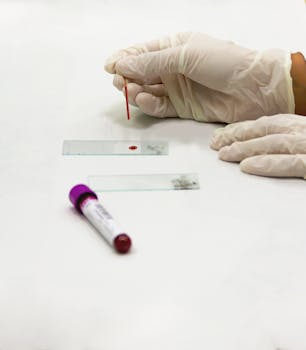
Understanding the causes of elevated ferritin is essential for managing your health effectively. Ferritin, a protein in the body, stores iron and releases it in a controlled fashion. When ferritin levels are higher than normal, it can indicate a variety of health issues, some benign, others more serious. In this article, we’ll explore the many potential reasons for an increase in ferritin, what normal ferritin values are, and how these levels intersect with various conditions, including cases where low iron is accompanied by high ferritin.
Causes of Elevated Ferritin
Elevated ferritin levels can occur for several reasons. One common cause is inflammation in the body. Ferritin is an acute phase reactant, which means its levels can increase when there’s inflammation. This could be due to conditions like arthritis, chronic infection, or cancer. In addition, liver disease, such as hepatitis or fatty liver disease, can cause an increase in ferritin levels.
Another important factor is hemosiderosis or hemochromatosis, where the body stores excess iron, and ferritin levels rise accordingly. Alcohol consumption and obesity are lifestyle factors that may also contribute to elevated ferritin. Furthermore, acute or chronic kidney disease can affect how the body processes ferritin.
Understanding Ferritin Values: What’s Normal?
Normal ferritin values can vary slightly depending on age, sex, and the laboratory conducting the test. Generally, normal levels for adult men are between 20 and 500 ng/mL, and for adult women, they are between 20 and 200 ng/mL. These levels, however, can differ based on health conditions and population health guidelines. Regular blood tests are crucial for monitoring ferritin and other blood components to ensure you remain within the healthy range.
It is advisable to consult a healthcare professional to interpret ferritin levels comprehensively. They can provide insights into what an abnormal result might mean for your unique situation, considering different individual health factors.
Ferritin Raised Causes: Beyond Iron Overload
While iron overload conditions like hemochromatosis are commonly associated with high ferritin levels, other factors can also cause an increase. In some cases, elevated ferritin is related to metabolic syndrome, insulin resistance, or type 2 diabetes. These conditions can also intersect with inflammatory responses and liver function changes, further raising ferritin levels.
Functional medicine approaches may suggest underlying causes of symptoms, including elevated ferritin.
Low Iron and High Ferritin: A Confusing Combination
Sometimes, people present with an unusual combination of low iron and high ferritin. This can be particularly confusing and often requires in-depth investigation. Conditions such as inflammation, chronic disease, or even cancer can lead to these contradictory readings. The body might be storing and reutilizing iron ineffectively, leading to apparent low iron levels but higher measures of ferritin due to stress responses from inflammation or disease.
Addressing these issues usually involves looking at other symptoms and results from various diagnostic tests. Thyroid disorders, chronic infections, and diseases like lymphoma can also contribute to this perplexing scenario.
Monitoring and Treatment Options
Regular monitoring of ferritin levels can provide valuable insights into your overall health and possible effects of treatment for underlying conditions. If elevated ferritin is due to hemochromatosis or iron overload, treating the primary cause could involve dietary adjustments, medications, or therapeutic phlebotomy, where blood is removed regularly to decrease iron levels. For cases of inflammation, addressing the root inflammatory condition is key.
Each case is individual, and it’s essential to work with healthcare providers to create a plan tailored to personal health needs. For more information on managing elevated ferritin or related symptoms, you might consider consulting a medical professional who can offer advice tailored to your specific health situation.
Find more about health conditions and resources at Wikipedia’s health page.
Takeaways
- Ferritin levels can provide insights into iron storage and inflammation.
- Elevated ferritin can arise from various conditions, including liver disease and inflammation.
- Normal ferritin values range but are generally between 20-500 ng/mL for men and 20-200 ng/mL for women.
- Low iron levels with high ferritin require thorough examination to understand underlying causes.
- Professional medical guidance is crucial in addressing abnormal ferritin levels.
FAQ
What are normal ferritin levels?
Normal ferritin levels differ slightly between men and women. For men, normal levels typically range from 20 to 500 ng/mL, and for women, they range from 20 to 200 ng/mL. These values can slightly differ based on specific health conditions and laboratory standards.
Can inflammation cause elevated ferritin levels?
Yes, inflammation is a common cause of elevated ferritin levels because ferritin acts as an acute phase reactant, meaning it increases in response to inflammatory conditions such as arthritis or chronic infections.
Is there a relationship between liver disease and high ferritin?
Liver conditions, including hepatitis and fatty liver disease, can cause elevated ferritin levels. The liver plays a significant role in iron metabolism, and any disruption in liver function can impact ferritin storage and levels.
How does low iron with high ferritin occur?
This combination can occur in situations where the body is inflamed or under stress, leading to iron being trapped within cells and not utilized effectively, causing low serum iron but high ferritin.
What should I do if my ferritin levels are elevated?
Consult your healthcare provider to investigate the potential causes. Treatment will depend on the underlying condition, whether it is related to inflammation, liver health, or another metabolic issue. Your doctor may recommend further testing or treatments based on your specific health needs.
Other Articles You May Find of Interest...
- What a Healthy Colon Looks Like During Colonoscopy
- A Better Digestive Rhythm: Everyday Habits for Preventing Occasional Constipation
- Does a Gastroenterologist Treat Liver Disease?
- How Your Gut Microbiome Affects More Than Digestion
- Can’t Keep Colonoscopy Prep Down? Try This
- Why Apples Upset Your Stomach
- One Worm in the Toilet: What It Could Be