






More Child Health and Safety Articles
Child Speech Therapist: Speech Therapy for Toddlers & Kids
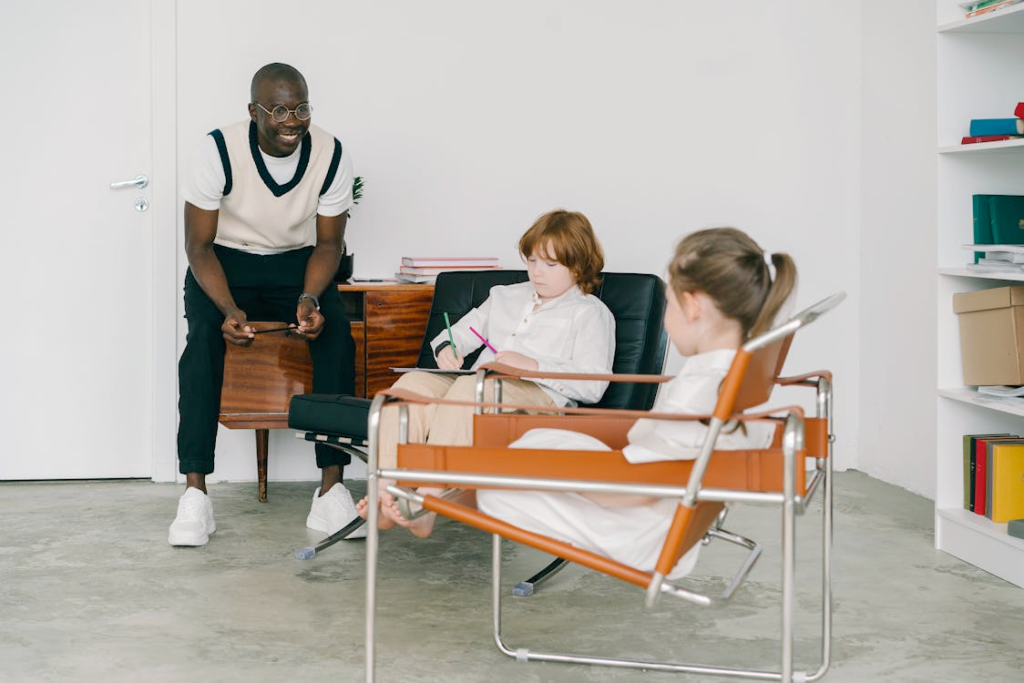
Communication is one of the most fundamental human skills, yet many children struggle to develop speech and language abilities at the expected pace. When parents notice their child isn’t talking as much as peers, has difficulty being understood, or shows frustration when communicating, seeking help from a child speech therapist can make a transformative difference.
Speech therapy for kids addresses far more than just pronunciation. It encompasses language comprehension, vocabulary development, social communication, fluency, and even feeding skills related to oral motor function. Understanding when to seek help, what therapy involves, and how specialists support children’s communication development empowers parents to advocate effectively.
Whether your toddler has yet to say their first words or your school-aged child struggles with articulation that affects their confidence, speech therapy offers evidence-based interventions tailored to each child’s unique challenges.
Speech Therapy for Toddlers – Building Early Communication Skills
Speech therapy for toddler development focuses on the crucial early years when language foundations are established. Toddlerhood is a critical window for communication development, during which most children experience rapid vocabulary growth and begin combining words into simple sentences.
However, development varies significantly among toddlers. Some speak in full sentences by 18 months, while others are just beginning to use single words at two years old. When should parents be concerned, and when is “wait and see” appropriate?
Speech therapy for toddlers becomes important when children show significant delays compared to developmental milestones. Red flags include limited babbling by 12 months, no words by 16 months, fewer than 50 words by 24 months, or lack of two-word combinations by 30 months. Additionally, if parents understand less than 50% of their toddler’s speech, or if the child seems frustrated by their inability to communicate, evaluation is warranted.
Early intervention yields the best outcomes. The toddler brain is remarkably plastic, meaning it’s primed for learning. Starting speech therapy early for toddler challenges prevents secondary issues, such as behavioral problems stemming from communication frustration.
Key components of toddler speech therapy:
- Play-based intervention: Therapy for young children happens through play because that’s how toddlers naturally learn. Therapists use toys, songs, books, and games to elicit communication in contexts that feel fun.
- Parent coaching: Parents are the most important part of a toddler’s therapy team. Speech therapists teach caregivers strategies to encourage language throughout daily routines – turning every interaction into a learning opportunity.
- Focus on functional communication: The goal isn’t just speech sounds but meaningful communication. Some toddlers benefit from alternative methods, such as sign language, while developing verbal skills.
- Building foundational skills: Before words come, pre-linguistic skills like joint attention, imitation, and understanding cause-and-effect. Therapists ensure these foundations are solid.
Parents often worry that early therapy labels their child or sets low expectations. In reality, therapy provides targeted support during the optimal learning window.
Speech Therapy for Kids – Addressing a Range of Needs
As children grow beyond toddlerhood, speech therapy for kids addresses an expanding range of communication challenges. School-aged children face more complex language demands – following multi-step directions, understanding abstract concepts, telling coherent stories, and navigating social language nuances.
Speech therapy for kids targets various areas depending on individual needs. Articulation therapy helps children produce specific sounds correctly. Language therapy addresses vocabulary, grammar, and comprehension. Fluency therapy supports children who stutter. Social communication therapy helps children with autism spectrum disorder or other conditions affecting conversational skills.
Centers like The Children’s Place London provide holistic assessment and treatment, recognizing that communication difficulties often intersect with other developmental areas requiring coordinated support.
The impact of untreated speech and language difficulties extends beyond communication itself. Children who can’t express themselves clearly may struggle academically, face social rejection from peers, or develop behavioral problems due to frustration.
Common reasons children receive speech therapy for kids:
- Articulation disorders: Difficulty producing specific speech sounds correctly, making speech hard to understand. Some issues resolve with maturity, but others require intervention.
- Language delays: Challenges with vocabulary, understanding complex instructions, forming grammatically correct sentences, or organizing thoughts into coherent narratives.
- Stuttering and fluency disorders: Repetitions, prolongations, or blocks in speech flow that cause frustration or avoidance. Early intervention significantly improves outcomes.
- Voice disorders: Chronic hoarseness, vocal strain, or inappropriate pitch and volume. These issues sometimes indicate vocal cord problems requiring medical attention.
- Apraxia of speech: A motor planning disorder where children know what they want to say but struggle to coordinate the movements to produce speech.
Child Speech Therapist – The Role of the Specialist
A child speech therapist, also called a pediatric speech-language pathologist, is a highly trained professional who evaluates, diagnoses, and treats communication and swallowing disorders in children from infancy through adolescence.
Becoming a child speech therapist requires extensive education – typically a master’s degree in speech-language pathology, clinical practicum experience, passing national examinations, and obtaining licensure. Many therapists pursue additional certifications in specialized areas, such as feeding therapy or fluency disorders.
What sets pediatric speech therapists apart is their deep understanding of child development. They know typical communication milestones, recognize when development deviates from expected patterns, and understand how to motivate children of different ages.
A child speech therapist begins with a comprehensive evaluation, observing the child, administering standardized tests, and interviewing parents about concerns. This assessment identifies specific strengths and challenges, leading to diagnosis and treatment recommendations.
Treatment plans are individualized and goal-oriented. The therapist establishes measurable objectives and regularly monitors progress, making adjustments as needed.
What child speech therapists do:
- Conduct assessments: Comprehensive evaluation of speech sounds, language comprehension and expression, fluency, voice quality, and oral motor function.
- Create treatment plans: Develop individualized therapy plans with specific, measurable goals based on each child’s unique needs and family priorities.
- Provide direct therapy: Work one-on-one or in small groups with children using evidence-based techniques, games, and activities that target specific communication skills.
- Collaborate with teams: Work with teachers, occupational therapists, psychologists, and physicians to coordinate care and ensure communication goals support broader objectives.
The therapeutic relationship between child and therapist matters enormously. Children make the most progress when they feel safe, encouraged, and motivated.
Speech Clinic – The Center for Assessment and Treatment
A speech clinic serves as a dedicated space where children receive specialized communication services from trained professionals. These centers offer comprehensive assessment, individualized therapy, parent education, and often coordinate with schools and medical providers.
What distinguishes a speech clinic from other therapy settings is the specialized environment and resources. Clinics typically have rooms designed specifically for pediatric therapy, stocked with age-appropriate materials, therapy tools, and assessment instruments.
Many speech clinic facilities offer multidisciplinary services, housing not just speech therapists but also occupational therapists, physical therapists, and developmental specialists under one roof. This integrated approach benefits children with multiple needs.
Benefits of speech clinic services:
- Multidisciplinary teams: Access to various specialists allows holistic evaluation and treatment. A child struggling with feeding might see both a speech therapist for oral motor skills and an occupational therapist for sensory issues.
- Intensive therapy options: Some clinics offer intensive programs in which children receive multiple therapy sessions weekly, particularly beneficial for conditions that require frequent intervention.
- Parent support groups: Many clinics facilitate support groups where parents connect with others facing similar challenges and share strategies.
Speech Classes for Kids – Learning in a Social Context
Speech classes for kids are a group therapy approach in which children with similar needs work together under a speech therapist’s guidance. This format offers unique benefits that individual therapy cannot provide, particularly for children working on social communication skills.
Group speech classes for kids create natural opportunities to practice conversation skills, turn-taking, active listening, and other pragmatic language skills. Children observe peers modeling correct speech and language, learn from each other, and practice newly acquired skills in a supportive social environment.
Speech classes for kids work best for children with mild to moderate delays who can benefit from peer interaction and don’t require the intensive individualization of one-on-one therapy.
Advantages of speech classes for kids:
- Naturalistic practice: Group settings mirror real-world communication situations – conversing with multiple people, navigating group dynamics, waiting for turns to speak.
- Peer modeling: Children learn by watching peers demonstrate skills. Hearing another child correctly produce a challenging sound can be more motivating than adult instruction alone.
- Confidence-building: Practicing in a small, supportive group before facing larger social situations helps build confidence. Children realize they’re not alone in their challenges.
Many children benefit from a combination approach – individual therapy targeting specific skill deficits combined with group classes for social practice.
Whether you’re concerned about your toddler’s late talking or your school-aged child’s language struggles, seeking evaluation from a child speech therapist is the first step toward support. Speech therapy for toddler development, delivered through structured programs, offers evidence-based intervention that makes lasting differences. From comprehensive speech clinic assessments to engaging speech classes for kids that build skills and confidence, professional support helps children develop the communication abilities essential for success.
Other Articles You May Find of Interest...
- Does Red 40 Cause Autism? What the Evidence Actually Shows
- Sports Physicals in 2026: What They Check, Why They Matter, and How to Know Yours Was Done Right
- Can Milk Cause Diaper Rash?
- How to Collaborate Effectively with Your Child’s Educational and Therapy Team for Autism
- 6 Vitamins for Picky Eaters to Consider in 2026
- Metabolic Disorders in Children: Symptoms, Testing, and Care
- Lambskin for Babies: 7 Things Parents Should Know





