






Taheri Dental Group
3114 Golansky Boulevard
Suite, #102
Woodbridge, VA 22192
(703) 439-1330
10630 Crestwood Drive
Suite B
Manassas, VA 20109
(703) 596-3013
More Dental Health Articles
Sleep Apnea and the Role of Dental Appliances
Obstructive sleep apnea (OSA) is a common but frequently undiagnosed sleep disorder that affects breathing during sleep. In people with OSA, the muscles and soft tissues of the throat relax excessively, causing the airway to narrow or collapse. This interruption in airflow can occur dozens of times per hour, often without the person fully waking or remembering the events. Over time, these repeated disruptions prevent restorative sleep and place significant strain on the body.
Common symptoms of obstructive sleep apnea include loud or chronic snoring, excessive daytime sleepiness, morning headaches, difficulty concentrating, and waking with a dry or sore throat. Not everyone who snores has sleep apnea, and not everyone with sleep apnea snores, which is one reason the condition is often overlooked. Left untreated, OSA is associated with serious long-term health risks, including high blood pressure, heart disease, stroke, and metabolic disorders.
Several factors can increase the risk of developing obstructive sleep apnea. Excess body weight, smoking, heavy alcohol use, and the use of sedatives can all contribute to airway collapse during sleep. Anatomy also plays a role, including jaw position, tongue size, and airway shape. While lifestyle changes may help reduce symptoms in mild cases, many people require medical treatment to manage the condition effectively.
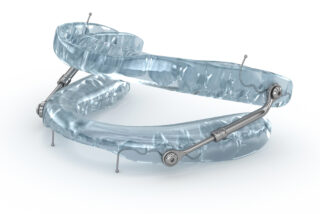
One treatment option for obstructive sleep apnea is oral appliance therapy. Dental sleep appliances are custom-made devices worn in the mouth during sleep, similar in appearance to a sports mouth guard. These appliances work by gently repositioning the lower jaw or tongue to help keep the airway open, reducing breathing interruptions and improving airflow. For individuals who cannot tolerate continuous positive airway pressure (CPAP) machines or prefer an alternative, oral appliances can be an effective option for mild to moderate OSA and, in some cases, severe OSA when monitored appropriately.
Unlike over-the-counter or mail-order mouthpieces, professionally fitted dental appliances are designed based on an individual’s oral anatomy and bite. Proper fitting, adjustment, and follow-up are important to ensure comfort, effectiveness, and long-term oral health. In some cases, follow-up sleep testing may be used to confirm that the appliance is successfully reducing apnea events.
With appropriate diagnosis and treatment, obstructive sleep apnea is a manageable condition, and dental appliances play an important role in helping many people achieve better sleep and improved overall health.
Other Articles You May Find of Interest...
- Why Comprehensive Dental Care Matters at Every Stage of Life
- Why Preventive Dental Care Matters at Every Stage of Life
- Colored Braces: A Practical Guide for Teens and Parents in the UAE
- Brushing Teeth for Kids: Secrets to Making Healthy Habits Actually Stick
- Why Preventive Dental Care Matters More Than Most People Realize
- How Missing Teeth Can Change the Way You Eat, Speak, and Live
- Why Jawbone Health Matters More Than You Might Think





