






More Beauty Skin Care & Gorgeous Smiles Articles
What Causes Slough Skin and How to Treat It?
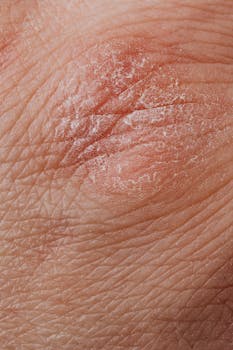
Many people have questions about slough skin, a condition where dead skin cells accumulate on the skin’s surface, creating a scaly or flaky appearance. It is important to understand that while slough skin can be a nuisance, it is a common issue that can usually be managed effectively with proper care. In this article, we will explore what causes slough skin, various treatment options, and when to seek medical advice.
Understanding Slough Skin
The term “slough skin” refers to the shedding or peeling of dead cells from the skin’s outermost layer, known as the epidermis. This process is a natural part of the skin renewal cycle; however, certain factors can lead to an excessive buildup, resulting in visibly flaky or rough skin. Factors that can contribute to slough skin include environmental conditions, age, certain medical conditions, and skincare habits.
Causes of Slough Skin
Several factors can lead to the development of slough skin:
- Weather Conditions: Cold, dry climates or excessive sun exposure can dehydrate the skin, worsening slough skin.
- Aging: As we age, skin cell turnover slows down, which may lead to more pronounced sloughing.
- Medical Conditions: Conditions like eczema or psoriasis can cause excessive skin shedding.
- Improper Skincare: Overwashing or using harsh products can strip the skin of its natural oils, leading to slough skin.
Treatment Options for Slough Skin
Treating slough skin involves a combination of lifestyle changes, skincare routines, and sometimes medical treatment. Here are some effective strategies:
Exfoliation
Regular exfoliation helps remove the buildup of dead skin cells. This can be achieved through chemical exfoliants like alpha-hydroxy acids (AHAs) or beta-hydroxy acids (BHAs), or through physical exfoliants like scrubs. Be gentle to avoid irritating the skin.
Moisturizing
Keeping the skin well-hydrated is crucial. Use a good moisturizer with ingredients like hyaluronic acid or glycerin to retain moisture. Apply right after bathing to lock in moisture.
Medical Treatments
If slough skin is severe, a dermatologist may prescribe topical treatments containing retinoids or corticosteroids to help reduce inflammation and promote cell turnover. In some cases, light therapy might be recommended.
For more on effective skin care, check out this related article on healthy habits to support overall well-being.
When to See a Doctor
If slough skin is persistent or accompanied by symptoms like itching, redness, or swelling, it is advisable to consult a healthcare professional. They can help determine if an underlying condition is causing the problem and suggest appropriate treatments.
Preventing Slough Skin
Prevention is key in managing slough skin. Here are some preventive measures you can take:
- Hydrate: Drink plenty of water to keep your skin hydrated from within.
- Protect Skin: Use sunscreen to protect the skin from sun damage, which can exacerbate sloughing.
- Adopt a Gentle Skincare Routine: Avoid harsh soaps and over-exfoliating, which can strip the skin of natural oils.
- Humidify Your Environment: Using a humidifier in dry environments can help maintain skin moisture.
Conclusion: Embracing Healthier Skin
Slough skin can be effectively managed with the right care and attention. By staying informed about its causes and solutions, individuals can take proactive steps to maintain healthier skin. Remember, it’s always best to seek professional advice if you are unsure about your skin condition or if symptoms persist. For a deeper understanding of skin health and its implications, visit the Wikipedia Health section for further reading.
- Slough skin is the result of dead skin cell buildup.
- Exfoliation and moisturizing can help manage slough skin.
- Age, weather, and health conditions can exacerbate the condition.
- Consult a dermatologist if skin issues persist or worsen.
Frequently Asked Questions
What is slough skin?
Slough skin refers to the shedding of dead skin cells from the skin’s surface, which can result in a flaky or scaly appearance.
How can I treat slough skin at home?
You can treat slough skin at home by regularly exfoliating, moisturizing, and maintaining a gentle skincare routine to avoid irritation.
Can slough skin be a sign of a more serious condition?
While slough skin is often harmless, it can sometimes indicate conditions like eczema or psoriasis. Consulting a healthcare provider is recommended if symptoms are severe or persistent.
Does the weather affect slough skin?
Yes, dry and cold weather can aggravate slough skin by depleting moisture, leading to increased skin flakiness.
Should I see a dermatologist for slough skin?
If home remedies are ineffective or if slough skin is accompanied by other symptoms, it’s advisable to see a dermatologist for proper assessment and treatment.
Other Articles You May Find of Interest...
- A Patient’s Guide to Setting Realistic Expectations for Cosmetic Surgery
- Chemical Peels, Microneedling, and Lasers: How to Choose the Right Resurfacing Treatment for Your Skin
- Not All Halal Collagen Powders Are the Same
- How Long Does Bactrim Take to Clear Acne?
- Narrowband UVB Therapy: Benefits, Risks, and Best Practices for Patients
- Is It Safe to Use Betamethasone Dipropionate on Your Face?
- How Telemedicine-Based Good Faith Exams Support Patient Safety in Medical Aesthetics



