More Dental Health Articles
Effective Strategies for Preventing Cavities and Tooth Decay
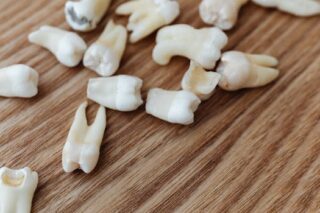
Understanding how to prevent cavities is crucial for maintaining oral health and avoiding tooth decay. Cavities are not only a common dental problem but can also lead to more serious health issues if left untreated. Thankfully, there are effective strategies to combat cavities and support dental hygiene. This article explores the best practices to keep your teeth healthy and strong.
Daily Oral Hygiene
One of the most critical steps in preventing cavities and tooth decay is maintaining a rigorous daily oral hygiene routine. Brushing your teeth at least twice a day with fluoride toothpaste is essential. Fluoride helps to remineralize tooth enamel, making it more resistant to acid attacks from plaque bacteria and sugars in the mouth.
Don’t forget to floss daily. Flossing removes food particles and plaque from between teeth and along the gum line, areas that a toothbrush can’t reach. Consider incorporating an antiseptic mouthwash to help kill bacteria and freshen your breath.
Diet and Nutrition
Diet plays a pivotal role in oral health. Reducing sugar intake is a fundamental way to prevent cavities, as sugar reacts with bacteria in the mouth to form acid, which erodes tooth enamel. Choose a diet rich in fruits, vegetables, lean proteins, and dairy products. These foods provide nutrients that strengthen teeth and gums.
Regular Dental Checkups
Scheduling regular dental checkups is imperative for early detection and prevention of cavities. Dentists can spot early signs of decay and provide treatments such as professional cleanings and fluoride applications. It’s recommended to visit a dentist every six months for optimal oral health.
Understanding How Cavities Form
Recognizing the formation of cavities can help in developing an effective prevention strategy. Cavities occur when acid produced by bacteria in plaque erodes the enamel. This eventually leads to tiny holes in the teeth, known as cavities. The process can be exacerbated by frequent snacking and sipping sugary drinks, which fuels bacterial growth.
Additional Preventive Measures
In addition to daily brushing and flossing, some other preventive measures include using dental sealants, which are protective coatings applied to the chewing surfaces of back teeth. These can significantly reduce the risk of decay in molars and premolars.
Chewing sugarless gum or eating xylitol mints after meals can also help It increases saliva flow, which naturally cleanses the mouth and neutralizes acids produced by bacteria.
How to Prevent Cavities by Remineralizing Teeth
Remineralization is the process of replacing lost minerals in tooth enamel. Consuming calcium-rich foods, using fluoride toothpaste or treatments, and ensuring an appropriate level of vitamin D can all promote remineralization. This strengthens teeth and reduces the risk of decay.
Limit Acidic and Sugary Drinks
Frequent consumption of sugary and acidic drinks like soda and fruit juices can accelerate tooth decay. If you do consume these, it’s better to drink them sparingly, preferably with a meal, and to rinse your mouth with water afterward to neutralize acids.
The Role of Professional Treatments
Sometimes, professional treatments might be necessary to prevent cavities. Dentists can offer fluoride treatments and recommend products that are stronger than over-the-counter options. In certain cases, X-rays may be used to detect cavities that aren’t visible during a regular exam.
Conclusion
By incorporating these strategies into your daily routine and understanding how to prevent cavities, you can maintain a healthy smile and avoid the discomfort and potential complications of tooth decay. Always remember, a proactive approach to oral health is the best defense against cavities.
- Brush and floss daily to maintain oral hygiene.
- Limit sugar intake to reduce cavity risks.
- Schedule regular dental checkups for early detection.
- Consider sealants and fluoride treatments for added protection.
- Chew sugarless gum to increase saliva flow.
FAQ
What is the best routine to prevent cavities?
A regular routine of brushing twice daily with fluoride toothpaste, flossing once a day, and using mouthwash can help prevent cavities.
Can diet really impact tooth decay?
Yes, a balanced diet with low sugar intake significantly impacts reducing the risk of tooth decay.
Why are regular dental checkups important?
Regular checkups allow for early detection and intervention for any signs of dental issues, including cavities.
Are sealants effective for preventing cavities?
Yes, sealants are effective as they protect the grooves and pits of the teeth from plaque and food.
How does fluoride help my teeth?
Fluoride strengthens tooth enamel, making it more resistant to acid attacks that cause cavities.
Other Articles You May Find of Interest...
- Crowns and Bridges: A Complete Guide to Restoring Your Smile
- Dental Crown or Filling: How Do You Know Which One You Need?
- What to Ask Before Choosing Dental Implants Abroad: A Guide for UK Patients
- Can a Tooth Nerve Die? What Happens Inside the Tooth
- Noticing Sensitivity in Teeth? Investigate These 3 Potential Causes
- Why Parents Put Off Their Own Dental Care, and What Some Practices Are Changing
- Dental Anxiety Is More Common Than People Admit: What Actually Helps