






More Beauty Skin Care & Gorgeous Smiles Articles
What Is a Skin Doctor and How Can They Help You?
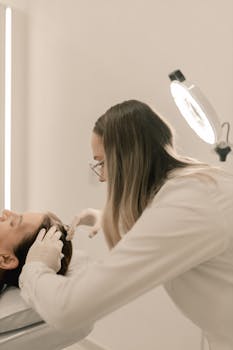
If you’ve ever wondered, “what is a skin doctor called?” you’re not alone. Many people use the term “skin doctor” interchangeably without realizing they are referring to a dermatologist. Dermatologists specialize in diagnosing and treating conditions related to the skin, hair, and nails, offering expert care for a wide array of dermatological issues. Understanding how a dermatologist can help is crucial to maintaining your skin’s health and addressing any concerns that arise.
What Is a Dermatologist?
A dermatologist is a medical doctor trained to diagnose and manage conditions affecting the skin, hair, and nails. Dermatologists undergo extensive education and training, including medical school, internships, and residency programs specifically in dermatology.
Their expertise encompasses various skin issues, ranging from acne and eczema to more severe conditions such as skin cancer. They are equipped to provide both medical and surgical treatments based on individual patient needs.
What Is a Skin Doctor Called: Understanding Their Role
Dermatologists, also known as skin doctors, play a crucial role in healthcare. They offer a range of services, including medical consultations, skin examinations, and surgical procedures. They also advise on prevention and management of various skin conditions by recommending suitable skincare routines and lifestyle modifications.
For instance, dermatologists may provide laser treatments for acne scars or suggest topical medications for psoriasis. Their goal is to help patients achieve healthy skin through personalized medical care.
Common Conditions Treated by Dermatologists
Dermatologists treat an extensive range of common skin conditions. Some of the most frequent issues patients seek help for include:
- Acne: One of the most common skin conditions, acne can affect individuals of all ages and requires tailored treatment plans.
- Eczema: Characterized by itchy and inflamed skin, eczema can significantly impact quality of life. Dermatologists offer therapies to manage symptoms and control outbreaks.
- Psoriasis: An autoimmune condition that causes rapid skin cell growth, resulting in scaling on the skin’s surface. Treatment can include topical therapies, systemic medications, and phototherapy.
- Skin Cancer: Dermatologists perform screenings, biopsies, and treatments for various skin cancers, including melanoma, basal cell carcinoma, and squamous cell carcinoma.
When Should You See a Dermatologist?
It’s essential to consider seeing a dermatologist if you notice any changes in your skin, such as new growths, unusual rashes, or persistent acne that does not respond to over-the-counter treatments. Regular skin checkups can help detect potential issues early, making treatments more effective.
Those with chronic skin conditions or a family history of skin cancer should also prioritize regular dermatologist visits for preventive care and ongoing management.
Benefits of Consulting a Skin Doctor
Consulting a dermatologist offers numerous benefits, including access to specialized medical advice, customized treatment plans, and advanced therapeutic options. Dermatologists help patients not only treat but also prevent skin problems, enhancing overall skin health.
They keep abreast of the latest research and technologies in dermatology, ensuring that patients receive cutting-edge care. Moreover, dermatologists collaborate with other healthcare professionals to provide comprehensive treatment for interconnected health issues.
Specialized Fields Within Dermatology
Dermatology itself is a diverse field with several subspecialties, including:
- Pediatric Dermatology: Focuses on diagnosing and treating skin conditions in children.
- Cosmetic Dermatology: Involves procedures and treatments to improve the appearance of the skin.
- Dermatopathology: Combines dermatology and pathology to diagnose skin diseases at a microscopic level.
- Mohs Surgery: A precise technique used to treat skin cancer with minimal impact on healthy tissue.
Integrating Dermatology with Other Health Practices
Functional medicine and dermatology can work hand in hand to provide holistic care. This approach not only addresses visible symptoms but also looks at underlying causes and preventative measures. For more insights on how functional medicine complements dermatological care, you can read more about how a functional medicine doctor addresses root causes.
How to Choose the Right Dermatologist
When selecting a dermatologist, consider their credentials, experience, and patient reviews. It’s important to find a professional with whom you feel comfortable discussing personal health concerns. Verify their board certification and explore their area of expertise to ensure they align with your specific needs.
Ending on a Healthy Skin Note
Understanding what is a skin doctor called and how dermatologists can support your skin health is empowering. These specialists provide invaluable services, from diagnosing skin conditions to offering cosmetic enhancements, all tailored to meet your individual needs.
- Dermatologists specialize in treating skin, hair, and nail conditions.
- Common conditions treated include acne, eczema, and skin cancer.
- Subspecialties include pediatric and cosmetic dermatology.
- Regular visits to a dermatologist can prevent and manage skin issues effectively.
- Consulting a dermatologist offers personalized care for maintaining healthy skin.
FAQ
What should I expect during a dermatology appointment?
During a dermatology appointment, expect a full skin examination, a discussion about your medical history, and personalized treatment recommendations.
Is a referral needed to see a dermatologist?
A referral may be required depending on your insurance policy. It’s best to check with your provider beforehand.
How often should I see a dermatologist?
Annual checkups are recommended for preventive care, but more frequent visits may be necessary if you have ongoing skin concerns.
What questions should I ask my dermatologist?
Ask about recommended treatments, potential side effects, preventive measures, and skincare routines tailored to your skin type.
Can a dermatologist remove a mole on the first visit?
Yes, in some cases, a dermatologist may remove a mole during the first visit, depending on its nature and your medical history.
For more comprehensive information on global health topics, visit this article on health.
Other Articles You May Find of Interest...
- Achieve Stunning Manicures with Lindsay Half and Half Nails Techniques
- Why Night Time Skincare Is Central to Long Term Skin Health
- Is Breast Augmentation Worth It? 4 Questions That Help You Decide
- Who is the Best Doctor for Vitiligo Treatment in Homeopathy & How to Consult Them Online?
- Say Goodbye to Acnes: Proven Strategies for Clearer Skin
- The Benefits of the Recumbent Dorsal Position for Health and Wellness
- Understanding Sensitive Skin Flare-Ups: Common Triggers and Practical Ways to Manage Them



