More Gastroenterology Articles
Managing Elevated Direct Bilirubin Levels: Insights on Low Bilirubin Blood Test Results
Understanding elevated direct bilirubin levels can be essential for managing and improving your liver health. Direct bilirubin, a component of bile, is typically processed in the liver and excreted through the intestine. Elevated levels may indicate possible underlying liver conditions or blockages in bile flow. Recognizing what an increase means and exploring potential causes and treatments can empower you to take proactive steps toward better health.
What Are Elevated Direct Bilirubin Levels?
Direct bilirubin is the conjugated form that has been processed by the liver. Elevated levels may signal a dysfunction in this processing or an obstruction interfering with its flow. Levels above the normal range could suggest liver diseases, such as hepatitis or cirrhosis, or biliary tract obstructions like gallstones.
Signs and Symptoms
Elevated direct bilirubin levels might not present noticeable symptoms initially. As levels increase, you may experience jaundice, characterized by yellowing of the skin and eyes. Dark urine and pale stool can also be warning signs. Observing these symptoms should prompt a discussion with your healthcare provider for further investigation.
Diagnosis Through Low Bilirubin Blood Test
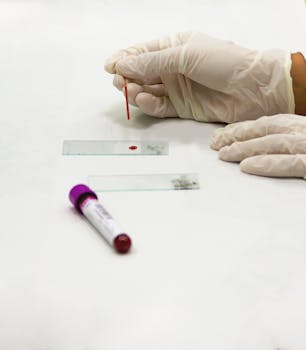
A low bilirubin blood test can help determine the direct bilirubin concentration in your blood. It involves drawing blood from a vein and analyzing the results in a laboratory. Interpreting these results alongside other liver function tests provides deeper insights into the liver’s performance. Your clinician can help explain what your specific results mean for your health.
Causes of Elevated Direct Bilirubin
A range of factors can contribute to increased direct bilirubin levels. Among them:
- Hepatitis: Viral infections can inflame the liver, impairing its ability to process bilirubin efficiently.
- Gallstones: These blockages in the bile ducts hinder bilirubin flow, causing accumulation in the bloodstream.
- Liver Cirrhosis: Scarring from long-term liver damage can disrupt normal processing of bilirubin.
- Genetic Disorders: Conditions like Gilbert’s syndrome, though less common, may also raise bilirubin levels.
Treatment and Management
Treating elevated direct bilirubin levels involves addressing the underlying cause. Your healthcare provider may recommend medications or lifestyle changes. For example, practicing good liver health by avoiding alcohol and maintaining a healthy diet can support liver function.
Lifestyle and Dietary Recommendations
Emphasizing liver-supporting foods, such as leafy greens, is crucial. Hydration is equally important, helping the liver function optimally. You might also consider exploring vitamins and supplements that may support memory and cognitive functions, which can also impact overall health. For more on this, see our article on vitamins for brain fog and memory.
Understanding Your Results
If you receive a low bilirubin blood test result, this typically indicates a healthy liver function. However, interpreting these results with a healthcare provider is vital, as bilirubin levels are only one part of a comprehensive health picture.
Consulting a Healthcare Provider
Regular monitoring and professional guidance are fundamental for managing elevated direct bilirubin levels. Consultation with a healthcare provider ensures that any changes in bilirubin levels are thoroughly investigated, and an appropriate care plan is devised. They can also address any concerns related to symptoms or potential treatment avenues.
Conclusion: Monitoring Your Health
Keeping track of your elevated direct bilirubin is an essential step in maintaining hepatic health and preventing future complications. By understanding the importance of bilirubin testing and seeking medical advice, you can proactively participate in managing your health. To further explore liver health, consider reviewing educational resources on Liver health.
- Elevated direct bilirubin may indicate liver dysfunction or bile duct obstruction.
- Symptomatic signs include jaundice and changes in urine and stool color.
- Diagnosis often involves blood tests and professional interpretation.
- Lifestyle changes can support liver health and bilirubin management.
- Consultation with a healthcare provider ensures appropriate care and monitoring.
What causes elevated direct bilirubin levels?
Causes include liver diseases such as hepatitis, blockages like gallstones, liver cirrhosis, and certain genetic disorders that affect bile processing.
What symptoms might indicate elevated direct bilirubin?
Symptoms can include jaundice, dark urine, and pale stool, which signal issues with liver function or bile flow.
How is elevated direct bilirubin diagnosed?
Diagnosis involves a blood test to measure bilirubin levels and may include additional tests to evaluate liver function and identify underlying causes.
Can lifestyle changes impact bilirubin levels?
Yes, adopting a healthy diet, limiting alcohol, and staying hydrated can help manage bilirubin levels and support liver health.
When should I consult a healthcare provider?
Consult a healthcare provider when experiencing symptoms of jaundice, or if blood tests indicate abnormal bilirubin levels, to discuss potential causes and treatment options.
Other Articles You May Find of Interest...
- Why You Get Stomach Bloating and Gas After Eating Meat
- Why Does Chick-fil-A Make My Stomach Hurt?
- Dr. Omar Marar on the Evolution of Modern Colorectal Surgery
- Pain Where Your Appendix Was Removed Years Ago: Possible Causes
- Why Multi-Strain Probiotics May Offer Broader Digestive Support
- What a Healthy Colon Looks Like During Colonoscopy
- A Better Digestive Rhythm: Everyday Habits for Preventing Occasional Constipation