More Sexual Health Articles
When Can You Safely Resume Intimacy After Yeast Infection Treatment?
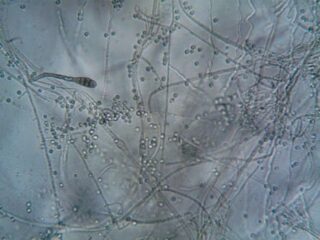
Recovering from a yeast infection can be uncomfortable and distressing, leading many to wonder about how long to wait for sex after yeast infection treatment. Understanding when it’s safe to resume intimacy is crucial to avoid complications and ensure complete healing. In this article, we explore the timeline for getting back to normal activities post-treatment, offer tips on maintaining vaginal health, and highlight when to seek medical advice.
How Long to Wait for Sex After Yeast Infection Treatment
Typically, it’s recommended to wait until you’re completely symptom-free before resuming sexual activity. This is because engaging in sex too soon can cause irritation or exacerbate symptoms. Moreover, it can also increase the risk of transmitting the infection to your partner. The length of time you should wait can vary depending on the severity of the infection and the treatment method used.
Most antifungal treatments, whether over-the-counter or prescription, may begin reducing symptoms within a few days. However, it’s prudent to allow for a full course duration, usually around 7 to 14 days, to ensure the infection is completely cleared.
Understanding Vaginal Yeast Infections
Yeast infections are commonly caused by a fungus called Candida. Symptoms can include itching, redness, swelling, and a thick, white discharge. Factors such as antibiotic use, hormonal changes, and weakened immune systems can increase the risk of developing a yeast infection.
For more holistic approaches and maintaining overall health, consider adopting practices discussed in our comprehensive guide to holistic wellness.
Signs You Are Ready to Resume Intimacy
Before engaging in sexual activity, ensure all symptoms are resolved, which typically includes not experiencing itching, burning, or unusual discharge. If you have doubts, consulting with a healthcare professional can provide clarity and peace of mind.
Feeling comfortable and confident in your health is essential before resumption. This not only prevents the recurrence of infection but also promotes a positive sexual experience.
Preventing Future Yeast Infections
Prevention is better than cure, and adopting certain lifestyle habits can minimize the risk of future infections. Wearing breathable fabrics, maintaining proper hygiene, and moderating sugar intake can be advantageous. Exploring complementary and integrative approaches offers further benefits, which you can learn more about in our detailed resources.
In addition, some individuals find probiotics helpful. These may help in maintaining a healthy balance of bacteria and yeast in the body, though they should be discussed with a healthcare provider before use.
What to Do If Symptoms Persist
If symptoms persist despite completing treatment, it’s imperative to seek medical advice. Persistent symptoms might indicate a resistant strain of yeast or a misdiagnosis. A healthcare provider can reassess the condition and adjust the treatment plan as necessary.
For more detailed information on vaginal health and yeast infections, consider visiting this comprehensive article on health.
- Wait until all symptoms of a yeast infection have cleared before resuming sexual activity.
- Ensure a full course of treatment is completed to prevent recurrence.
- Consult a healthcare professional if symptoms persist post-treatment.
- Adopt preventive measures for optimal vaginal health.
- Explore holistic wellness practices to support overall body health.
FAQs
Can I have sex during a yeast infection treatment?
It’s generally advisable to avoid sexual intercourse during treatment, as it can cause irritation and potentially spread the infection to your partner.
How long does it usually take for symptoms to subside?
Symptoms often begin to improve within a few days of starting treatment, but it is essential to complete the entire treatment course, which can last 7 to 14 days.
Can a yeast infection go away on its own without treatment?
In some cases, mild yeast infections may resolve without treatment, but it is typically advised to use antifungal treatments to alleviate symptoms and prevent complications.
What natural remedies can support yeast infection recovery?
While some natural remedies like probiotics and dietary adjustments are popular, their effectiveness can vary, and they should be used in conjunction with medical advice.
When should I see a doctor about a yeast infection?
If over-the-counter treatments do not alleviate symptoms or if infections are recurrent, it is crucial to consult a healthcare professional for a proper diagnosis and treatment plan.
Other Articles You May Find of Interest...
- How to Use a Couples App to Talk About Sex and Intimacy
- Why Does My Erection Go Away So Fast?
- Does Spermicide Cause Yeast Infections?
- Which STDs Show Up on a Blood Test, and Which Don’t
- IUD vs. the Pill: Choosing What Fits Your Life
- Choosing a Dildo: Materials, Size, Compatibility, and Safer Use
- Gay Dating Sites Compared: Features, Community and Safety