






More Pet Health Articles
Why More Pet Owners Choose Canadian Compounding Pharmacies for Veterinary Medications
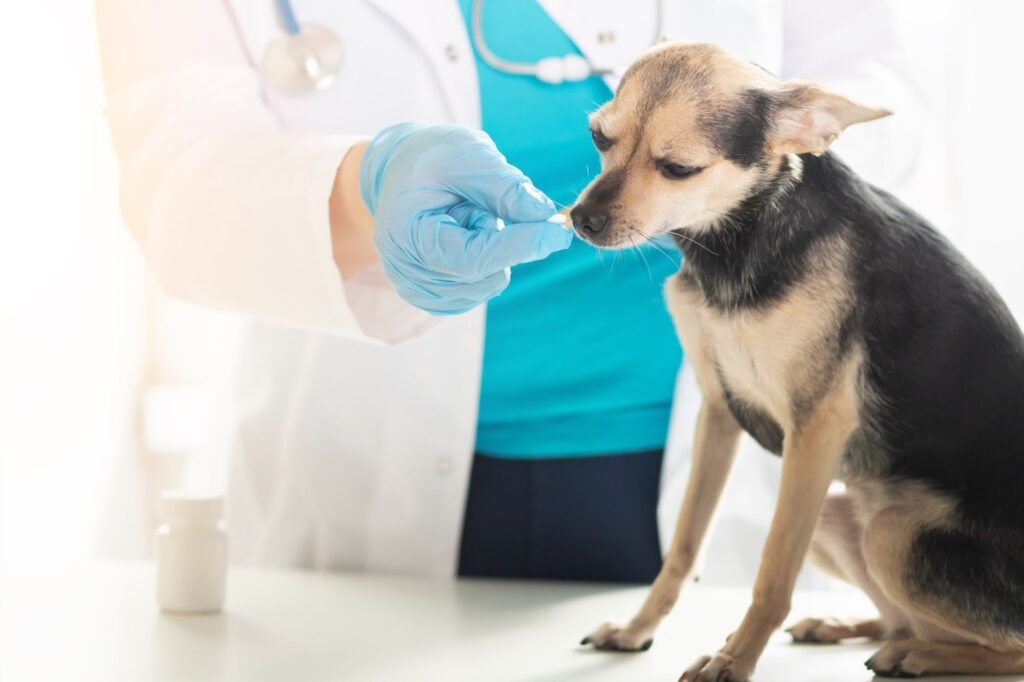
Quick Answer
More pet owners across Canada are turning to compounding pharmacies because they offer tailored medication solutions that meet the unique needs of individual animals. Standard veterinary drugs aren’t always suitable – due to dosage, form, or ingredient sensitivities – and compounding fills that gap by customizing medications into palatable liquids, treats, or transdermal gels. This personalized approach improves compliance, reduces stress during treatment, and supports better health outcomes for pets of all kinds, from cats and dogs to exotic animals.
Introduction
Imagine trying to give your finicky feline a bitter pill – or wrestling a squirming pup just to administer a crucial antibiotic. For many Canadian pet owners, this daily struggle is all too real. That’s why an increasing number are seeking alternatives that prioritize both effectiveness and ease of use.
Customized solutions are now within reach thanks to Canadian compounding pharmacies like Create Compounding, which works with veterinarians nationwide to formulate medications designed specifically for animal patients. These aren’t just repackaged human drugs; they’re thoughtfully adapted therapies that consider species, size, taste preferences, and even allergies.
As awareness grows about the limitations of mass-produced veterinary pharmaceuticals, compounding has emerged as a compassionate, practical response to the diverse needs of Canadian pets – and the people who care for them.
Why Canadian Pet Owners Are Turning to Veterinary Compounding
Traditional veterinary medications often come in fixed dosages, limited forms, or with inactive ingredients that may not suit every animal. For pets with sensitivities, chronic conditions, or unusual size requirements – like a 2-pound Chihuahua or a 150-pound Newfoundland – off-the-shelf drugs can fall short. This is where veterinary compounding shines: it adapts treatment to the patient, not the other way around.
Compounding pharmacies work directly with licensed veterinarians to reformulate medications in ways that improve both safety and compliance. This collaboration ensures that the final product meets therapeutic goals while considering practical realities of pet care at home.
Common Reasons Pet Owners Choose Custom Medications
- Dosage precision: Pets aren’t small humans – accurate weight-based dosing is critical.
- Palatability: Medications can be flavored with tuna, chicken, beef, or even marshmallow to encourage acceptance.
- Alternative forms: Pills can be turned into chewables, liquids, or transdermal gels applied to the ear.
- Allergen removal: Dyes, lactose, gluten, or preservatives can be excluded for sensitive animals.
- Combination therapy: Multiple drugs can be blended into a single dose, simplifying complex regimens.
How Veterinary Compounding Differs from Standard Pharmacy Services
| Feature | Standard Veterinary Medication | Veterinary Compounding |
| Dosage | Fixed strengths | Custom-calculated per animal |
| Form | Mostly tablets/capsules | Liquids, gels, treats, capsules, etc. |
| Ingredients | May include fillers or dyes | Tailored to exclude allergens or irritants |
| Availability | Mass-produced | Made-to-order |
| Flexibility | One-size-fits-all | Personalized per case |
This flexibility is especially valuable for senior pets, exotic species, or animals with chronic illnesses requiring long-term medication. A rabbit that refuses oral meds might accept a flavored suspension, while a cat with thyroid disease could benefit from a daily ear gel instead of a daily pill chase.
What to Consider When Exploring Custom Medication Options for Your Pet

Once pet owners recognize the benefits of tailored therapies, the natural next step is understanding how to navigate the process responsibly. Not all compounding services operate under the same standards, and informed choices can significantly impact your pet’s safety and treatment success.
Key Factors to Evaluate
- Veterinary Oversight: Legitimate compounding always begins with a valid prescription from a licensed veterinarian. Pharmacists and vets should collaborate closely to determine the best formulation.
- Quality Assurance: Look for facilities that adhere to national compounding standards and conduct regular potency or stability testing. Cleanroom environments and trained personnel are essential.
- Transparency: Reputable providers clearly disclose ingredients, expiration dates, storage instructions, and potential limitations of compounded preparations.
- Species-Specific Expertise: Some medications safe for dogs can be toxic to cats or birds. Compounding teams should understand veterinary pharmacology across species.
- Turnaround Time & Logistics: Especially in urgent cases, knowing how quickly a medication can be prepared and shipped matters – particularly in remote areas of Canada.
Real-World Scenarios Where Compounding Makes a Difference
- A senior dog with arthritis struggles to swallow large pills but thrives on a beef-flavored liquid pain reliever mixed into meals.
- A diabetic cat refuses injections but accepts a transdermal gel applied to the inner ear, stabilizing blood sugar without stress.
- An avian vet prescribes a precise antibiotic dose for a parrot – impossible to find commercially – so a pet compounding pharmacy creates a tiny-volume oral suspension.
- A rabbit with gastrointestinal stasis needs a combination of motility agents and pain relief, which a vet compounding pharmacy blends into a single palatable formula.
These examples highlight how veterinary compounding pharmacy services solve real clinical challenges that standard medications can’t address. The goal isn’t just convenience – it’s enabling treatment plans that actually work in the home environment.
When exploring options, ask your veterinarian if they’ve worked with a veterinary compounding provider before and whether they’re comfortable guiding the formulation process. The best outcomes happen when pet owners, vets, and pharmacists form a coordinated care team – ensuring every dose is as effective as it is manageable.
Final Thoughts: Personalized Care as the Future of Pet Health
The growing preference for customized veterinary medications isn’t just a trend – it reflects a broader shift in how Canadians view pet care. Pets are family, and families deserve treatment plans that respect individual needs, not one-size-fits-all solutions. Compounding empowers veterinarians and pet owners to move beyond the limitations of commercial drugs, opening doors to gentler, smarter, and more effective therapies.
When done correctly – under veterinary supervision, in accredited facilities, with high-quality ingredients – veterinary compounding becomes a vital tool in the modern pet health toolkit. It’s especially valuable in managing chronic conditions, supporting aging animals, and treating species with unique metabolic profiles. And with same-day delivery available in major cities and reliable nationwide shipping, timely access to these tailored medications is more feasible than ever across Canada.
Ultimately, the goal isn’t just to treat illness – it’s to preserve quality of life. Whether it’s turning a stressful pill into a chicken-flavored treat or combining three medications into one transdermal application, compounding puts the pet’s comfort and well-being first. For Canadian pet owners committed to compassionate, precise, and practical care, it’s no wonder this approach continues to gain trust and support from coast to coast.
Other Articles You May Find of Interest...
- The Health Benefits of Pet Ownership for Small-Space and Senior Living
- 5 Pet Symptoms That May Warrant Urgent Veterinary Care
- What to Do After a Dog Bite Injury
- Hypoallergenic Cat Breeds: What Allergy Sufferers Should Know Before Adopting
- Keeping Pets Safe in Homes Where Cannabis Products Are Present
- Is Manuka Honey Good for Dogs?
- Is Your Dog Waking Up Stiff? 5 Signs Their Bed May No Longer Be Supportive





