






More Women's Health & Beauty Articles
Unlocking the Significance of the D Dimer Test and Its Blood Results
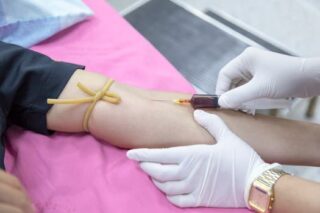
Understanding the significance of the d dimer test is essential for those navigating the complexities of blood testing. This test measures the level of D-dimer, a substance present in the blood when a blood clot dissolves, providing insight into various health conditions. While it is not commonly known, it plays a critical role in assessing clotting disorders, making it an invaluable tool in medical diagnostics.
What is the D Dimer Test?
The d dimer test is primarily used to rule out conditions related to improper clot formation in the body. Doctors often recommend it to assess whether you might have a deep vein thrombosis, pulmonary embolism, or disseminated intravascular coagulation. It is a simple blood test but provides essential information about your vascular health.
Why is the D Dimer Test Important?
Detecting blood clot-related disorders early can be crucial for effective treatment. By measuring D-dimer, healthcare providers can evaluate whether the blood clotting system is activated somewhere in the body. The test is especially important for those with symptoms like chest pain, difficulty breathing, or leg swelling.
Understanding D Dimer Blood Results
D dimer blood results can be complex to interpret without medical guidance. When results fall within the normal range, it often means that a significant clotting disorder is unlikely. However, elevated levels do not always signify a serious condition; they necessitate further testing and evaluation by a healthcare provider.
For a more nuanced understanding of how different factors affect blood health, you might find this related article on unlocking weight-loss success through blood health helpful.
Factors Affecting D Dimer Test Accuracy
Several factors can influence the accuracy of the d dimer test. Recent surgery, trauma, or inflammation can lead to elevated D-dimer levels. Hence, it is crucial for healthcare providers to consider these aspects alongside test results. Pregnant women and older adults may naturally have slightly higher D-dimer levels.
When Should You Consider Taking a D Dimer Test?
If you’re experiencing unexplained symptoms like persistent leg pain, chest discomfort, or shortness of breath, your healthcare provider might suggest a d dimer test. Additionally, if you have a personal or family history of clotting disorders, this test can provide valuable insights.
Limitations and Considerations
While the d dimer test is a valuable diagnostic tool, it is not definitive on its own. Elevated levels require further examination and testing to confirm any underlying conditions. It is always essential to consult healthcare professionals for comprehensive evaluations and to consider lifestyle or dietary changes that could improve vascular health.
Complementary Health Practices
In addition to medical testing, maintaining a healthy lifestyle can support optimal blood health. Regular exercise, a balanced diet rich in omega-3 fatty acids, and staying hydrated are all beneficial. To explore more about how diet can impact health, visit this comprehensive resource on health and nutrition.
In conclusion, the d dimer test is a vital diagnostic tool for evaluating clotting issues. While interpreting the results requires medical expertise, understanding the test’s role in assessing vascular health can empower individuals to take proactive steps in managing their health.
- The d dimer test helps diagnose clotting disorders.
- Interpreting d dimer blood results requires professional evaluation.
- Test accuracy can be influenced by various factors such as surgery or pregnancy.
- A healthy lifestyle complements medical care in managing vascular health.
FAQs
What does a high D-dimer level mean?
A high D-dimer level suggests increased clotting activity, but further tests are needed to determine the specific cause.
Can lifestyle changes affect D-dimer levels?
Yes, maintaining a healthy weight, exercising regularly, and following a balanced diet may support overall blood health.
Is the D Dimer Test painful?
The test involves a standard blood draw, which may cause mild discomfort similar to any routine blood test.
Are there any risks to the D Dimer Test?
The risks are minimal, generally limited to slight bruising or soreness at the site of the blood draw.
Should I fast before a D Dimer Test?
Typically, no fasting is required, but it’s always best to follow your healthcare provider’s instructions.
Other Articles You May Find of Interest...
- What You Need to Know About the Aygestin Pill for Hormonal Balance
- Exploring the Benefits of the Combo Estrogen Progesterone Patch for Hormonal Balance
- How Women’s Healthcare Needs Change Through Every Stage of Life
- Navigating the Side Effects of Estring: What You Should Be Aware Of
- Exploring the Vital Organs on the Left Side of a Woman’s Body
- 5 Reasons Women in Their Forties Are Choosing Mastopexy More Than Ever
- When Pregnancy Sickness Turns Severe: The Nutrition Risk Few Mothers Hear About



