






More Weight Control, Nutrition & Exercise Articles
Exploring the Health Benefits and Risks of Nightshade Vegetables
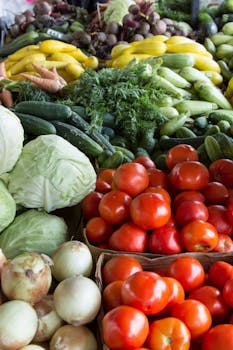
When people ask, “what are nightshade vegetables?” they are usually referring to a specific group of plants found in the Solanaceae family. This family includes a variety of vegetables that are commonly consumed, such as tomatoes, potatoes, peppers, and eggplants. These vegetables are staples in many diets around the world, known for their rich flavors and nutritional benefits.
What Are Nightshade Vegetables?
Nightshade vegetables are a diverse group of plants belonging to the Solanaceae family. This large family also includes non-edible plants, but the edible varieties have carved a significant niche in global cuisines. Here, we’ll explore the most common members of this group and their contributions to health and culinary arts.
Common Types of Nightshade Family Vegetables
The nightshade family vegetables that are most frequently part of our daily meals include:
- Tomatoes: Often considered fruits, tomatoes are rich in vitamin C and lycopene, an antioxidant that’s associated with heart health.
- Potatoes: These tubers are a staple food in many cultures, providing essential nutrients like potassium and vitamin B6.
- Peppers: Including bell peppers, jalapeños, and chili peppers, these are excellent sources of vitamins A and C.
- Eggplants: Known for their unique texture and flavor, eggplants are high in fiber and antioxidants.
Nutritional Benefits of Nightshade Vegetables
Nightshade vegetables are packed with essential nutrients, vitamins, and minerals that support overall health. They are particularly high in antioxidants, which help protect the body from oxidative stress and inflammation. Many of these vegetables are also low in calories, making them ideal for maintaining a healthy weight. For example, a diet high in protein and nutrient-rich foods can significantly aid weight management. For further reading, you might want to explore the importance of a high-protein diet for weight loss.
Potential Risks Associated with Nightshade Vegetables
While most people can enjoy nightshade vegetables without any adverse effects, there are some concerns associated with them. Some individuals with autoimmune conditions or food sensitivities might find that nightshades exacerbate their symptoms. Compounds like solanine, found in potatoes, can be toxic at very high levels and may contribute to inflammation in susceptible people. Cooking these vegetables can help reduce solanine levels, making them safer to consume.
Incorporating Nightshades into Your Diet
Adding nightshade vegetables to your diet can be simple and delicious. They are versatile and can be included in a variety of dishes, from salads and stews to casseroles and grills. You can experiment with different cooking methods, such as roasting or grilling, to enhance their natural flavors while preserving their nutritional value.
Conclusion
Nightshade vegetables are a fascinating and nutritious part of our diet. Understanding what are nightshade vegetables can help you make informed dietary choices and appreciate the culinary diversity they offer. Whether you’re enjoying a simple tomato salad or a spicy pepper dish, these plants bring both flavor and nutrients to your meals.
- Nightshade vegetables are part of the Solanaceae family.
- Common varieties include tomatoes, potatoes, peppers, and eggplants.
- These vegetables are rich in vitamins, antioxidants, and nutrients.
- Some people may experience sensitivity or adverse reactions.
- Incorporate them in moderation as part of a balanced diet.
What are some examples of nightshade family vegetables?
Examples include tomatoes, potatoes, peppers, and eggplants. They are consumed worldwide and feature prominently in many dishes.
Are nightshade vegetables harmful to health?
For most people, nightshades are nutritious and safe. However, some individuals with specific health conditions might experience adverse reactions.
How can nightshade vegetables be prepared to minimize risks?
Cooking nightshade vegetables can reduce solanine levels, which may lower the risk of adverse reactions. They can be roasted, baked, boiled, or grilled.
Can nightshades be part of a weight loss diet?
Yes, nightshades are low in calories and high in nutrients, making them suitable for weight loss diets when consumed as part of a balanced meal plan.
Where can I find reliable information about nightshade vegetables?
For more detailed information, you may refer to resources like Wikipedia’s Health article, which provides insights into various health topics, including nightshade vegetables.
Other Articles You May Find of Interest...
- How Quickly Does Senna Relieve Constipation?
- Does Doxepin Lead to Weight Gain? Uncovering the Connection
- How This Generation Is Redefining What Healthy Living Looks Like
- Nord Pilates: Can a Pilates App Actually Help You Lose Weight at Home?
- What Actually Happens to Your Body When You Work Out Consistently
- The Hidden Metabolism Problem Nobody Talks About After 35: Less Movement, Same Routine
- Health Benefits of Food Dehydration – Guide to Drying Fruits and Veggies



